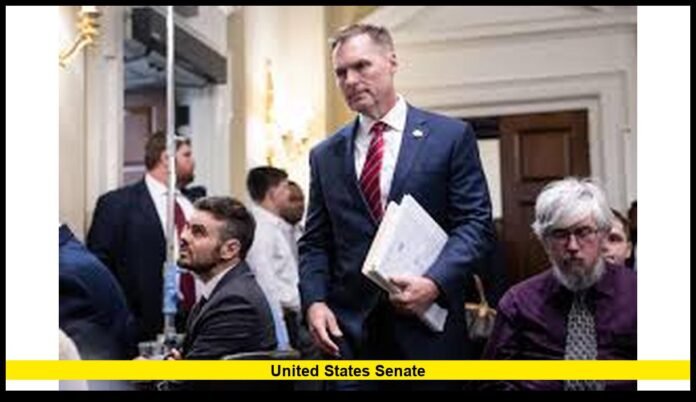

The united states senate is at the center of Washington’s biggest political battles as lawmakers debate immigration enforcement funding, federal spending priorities, White House security upgrades, and the future direction of the U.S. economy. The chamber has become the focus of national attention during a tense election season that could reshape control of Congress and influence major federal policies for years ahead.
Senators are now working through a packed legislative calendar that includes budget negotiations, confirmation votes, homeland security funding disputes, and economic policy debates. Republican leaders are pushing aggressive legislation tied to border enforcement and federal security operations, while Democrats are fighting to block or revise several major provisions they believe could hurt voters politically and financially.
The coming weeks are expected to define the Senate’s political direction heading into the 2026 midterm elections. Every vote carries added pressure because control of the chamber remains highly competitive.
Border Security Funding Dominates Senate Debate
One of the biggest issues driving Senate activity is a sweeping Republican-backed funding package aimed at immigration enforcement and border operations.
The proposal includes tens of billions of dollars for agencies connected to border security, detention operations, surveillance technology, and enforcement staffing. Republican senators argue the package responds to growing public concerns about illegal crossings, trafficking operations, and security vulnerabilities at the southern border.
The legislation includes funding increases for:
- Immigration and Customs Enforcement
- Customs and Border Protection
- Border wall infrastructure repairs
- Detention facility operations
- Surveillance and monitoring systems
- Border personnel recruitment and training
Republican lawmakers say the funding would strengthen national security and improve enforcement capabilities after years of political conflict surrounding immigration policy.
Senate Majority Leader John Thune has repeatedly described border security as one of the chamber’s top priorities this year. GOP senators believe immigration concerns remain highly important for voters in both battleground and traditionally conservative states.
The proposal has also become a major campaign issue as Republicans attempt to position themselves as stronger on security and law enforcement ahead of the elections.
Democrats Push Back Against Republican Spending Priorities
Democratic senators have strongly criticized several parts of the Republican funding package.
Party leaders argue Congress should focus more heavily on economic relief, healthcare affordability, housing costs, and inflation pressures affecting middle-class families across the country.
Democrats also object to using the reconciliation process to advance major legislation with a simple majority vote.
Under standard Senate rules, most bills require 60 votes to overcome a filibuster. Reconciliation allows certain budget-related legislation to pass with only a simple majority.
That procedural advantage has become increasingly important because Republicans currently hold a narrow Senate majority.
Democratic lawmakers argue reconciliation limits bipartisan cooperation and allows politically divisive proposals to move through Congress more easily.
Senate Minority Leader Chuck Schumer has promised aggressive opposition during upcoming procedural votes and amendment sessions.
The next Senate vote-a-rama is expected to feature dozens of amendments involving immigration enforcement, federal spending, healthcare programs, and tax policy.
White House Security Funding Creates Political Tension
Another major source of controversy involves proposed funding connected to security upgrades at the White House complex.
The Senate package includes substantial funding for Secret Service modernization projects, East Wing infrastructure improvements, visitor screening systems, and advanced protective technology.
Republicans say the proposal focuses on long-term presidential security needs and broader modernization goals tied to threat prevention and operational readiness.
Democrats have attacked the proposal as politically risky during a period when many Americans remain concerned about inflation and household costs.
Several lawmakers have questioned whether Congress should approve large security expenditures while voters continue facing high prices for groceries, healthcare, rent, and energy.
The debate has intensified partisan tensions inside the chamber because the issue now combines national security concerns with campaign-year politics.
Even some Republican senators have reportedly raised questions privately about public reaction to the funding package.
Still, party leadership continues pushing forward with the proposal as negotiations intensify.
Economic Concerns Drive Senate Messaging
Economic policy remains one of the Senate’s most politically sensitive issues.
Lawmakers from both parties are under pressure to respond to voter frustration involving inflation, mortgage rates, credit card debt, and consumer costs.
Republicans argue their economic approach would reduce regulatory pressure, increase domestic production, and strengthen business confidence.
Democrats continue focusing on healthcare costs, prescription drug pricing, wages, and affordability programs for working families.
The Senate’s economic debate has become even more important because of upcoming leadership changes at the Federal Reserve.
Financial markets, businesses, and investors are closely watching the chamber’s confirmation process involving Kevin Warsh, President Donald Trump’s nominee for Federal Reserve leadership.
Kevin Warsh Nomination Draws National Attention
The Senate recently confirmed Kevin Warsh to the Federal Reserve Board, placing him in position to potentially become the next chair of the central bank.
The nomination immediately became one of the most closely watched confirmation battles in Washington.
Republicans praised Warsh as an experienced financial leader who supports monetary discipline and institutional reform inside the Federal Reserve.
Democrats questioned his economic priorities during committee hearings and warned about possible political pressure on the central bank.
The Federal Reserve remains highly important because its decisions influence:
- Interest rates
- Mortgage borrowing costs
- Credit card rates
- Inflation management
- Consumer lending
- Business investment
The Senate confirmation process highlighted deep disagreements between the two parties over economic policy and inflation strategy.
Republican senators argued the country needs stronger inflation control measures and more stable monetary policy.
Democrats expressed concern that aggressive tightening policies could hurt job growth and economic stability.
Warsh has also discussed reducing the Federal Reserve’s balance sheet and narrowing the institution’s focus to core economic responsibilities.
The Senate’s handling of the nomination has become a major political story because economic conditions continue shaping voter attitudes nationwide.
Election-Year Politics Influence Nearly Every Senate Decision
The Senate’s legislative calendar is now heavily influenced by campaign strategy.
Both parties understand that every major vote could become part of advertising campaigns, fundraising efforts, and voter outreach operations during the months ahead.
Republicans are defending several important seats while attempting to maintain their majority in the chamber.
Democrats hope concerns over affordability and healthcare costs will help them regain momentum in competitive states.
Several Senate races are already attracting national attention because they could determine control of the chamber.
North Carolina
North Carolina remains one of the most competitive Senate battlegrounds in the country.
Republican National Committee Chairman Michael Whatley entered the race with strong backing from GOP leadership. Former Democratic Governor Roy Cooper quickly became one of the party’s strongest recruits.
Political organizations from both sides are expected to spend enormous amounts on advertising and voter turnout efforts in the state.
Ohio
Ohio continues to play a major role in Senate strategy discussions.
Recent primary developments reshaped the race and intensified competition between the two parties.
Economic issues, manufacturing jobs, energy policy, and immigration remain key voter concerns across the state.
Kentucky
Kentucky’s open Senate seat created major political interest after longtime Republican Senator Mitch McConnell announced he would not seek another term.
The race is expected to attract heavy national involvement because of McConnell’s long influence over Senate leadership and judicial confirmations.
Minnesota and Alabama
Both parties are also monitoring races in Minnesota and Alabama closely as campaign organizations attempt to strengthen their Senate maps before the general election season accelerates.
Internal Divisions Add More Pressure
The Senate’s narrow balance of power means internal disagreements can quickly create legislative problems.
Republicans continue facing pressure from fiscal conservatives who want lower spending levels and stricter budget controls.
Some GOP senators worry about the long-term impact of increased federal spending tied to security and enforcement programs.
Democrats also face divisions between progressive lawmakers and moderates.
Progressive senators want more aggressive opposition to Republican legislation and stronger action on healthcare, labor policy, and housing affordability.
Moderate Democrats continue emphasizing bipartisan messaging and economic stability in competitive states.
Those internal tensions make Senate negotiations even more difficult because leadership teams must maintain party unity during high-pressure votes.
A small number of defections can dramatically alter the outcome of legislation in such a closely divided chamber.
Judicial Confirmations Remain a Major Senate Responsibility
Beyond budget and economic debates, the Senate continues handling federal judicial confirmations.
Control of the chamber carries enormous importance because senators approve federal judges, appellate court nominees, and executive branch appointments.
Judicial confirmations often shape national policy for decades.
Republicans and Democrats both understand the long-term consequences of Senate control in this area.
That reality has increased the political intensity surrounding the 2026 election cycle.
Party strategists view Senate races not only as legislative battles but also as fights over the future direction of the federal judiciary.
Healthcare and Prescription Drug Costs Stay Central
Healthcare remains another issue dominating Senate discussions.
Democratic lawmakers continue pushing proposals tied to prescription drug affordability and expanded healthcare protections.
Republicans are focusing more heavily on competition, private-sector reforms, and regulatory changes designed to lower costs.
Many voters continue ranking healthcare affordability among their top concerns.
Senators from both parties are attempting to position themselves as stronger advocates for working families facing rising expenses.
The issue is expected to remain central throughout the election season.
Why the Senate’s Next Few Months Matter
The next stage of Senate activity could influence national politics far beyond Washington.
Lawmakers still must resolve disputes involving:
- Homeland security funding
- Immigration enforcement spending
- White House security modernization
- Federal Reserve leadership
- Budget reconciliation measures
- Healthcare priorities
- Judicial confirmations
At the same time, Americans continue demanding action on inflation, wages, housing costs, public safety, and economic growth.
The Senate’s ability to pass legislation efficiently may shape public opinion during one of the most politically charged periods in recent years.
Political analysts increasingly view the chamber as the defining battlefield of the 2026 election cycle because Senate control affects spending legislation, judicial appointments, economic oversight, and national security policy.
The outcome of these battles could influence the balance of power in Washington long after the election season ends.
The United States Senate is entering a period that could reshape national politics, making every upcoming vote critical for lawmakers, voters, and the future direction of the country.