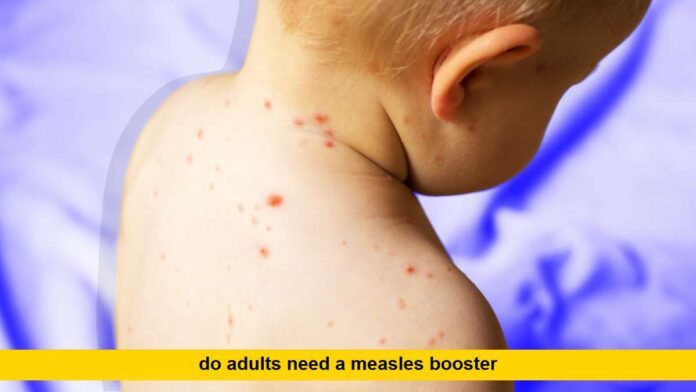

As measles infections continue to affect communities across the United States, many people are questioning whether childhood vaccinations still provide enough protection. The question do adults need a measles booster has become increasingly important as more Americans review their immunization records, prepare for international travel, and seek information about their risk of infection. The good news is that most adults who received the recommended measles vaccinations do not need another dose. However, people without documented immunity and those in certain high-risk categories may require additional protection.
The growing number of infections in 2026 has also highlighted the importance of understanding how the measles, mumps, and rubella (MMR) vaccine works, how long immunity lasts, and which adults should speak with a healthcare professional about vaccination.
Measles Cases Put Adult Vaccination Back in Focus
Measles is one of the most contagious viral diseases. It spreads through the air when an infected person coughs or sneezes, making exposure possible even without direct physical contact.
The United States has experienced a significant increase in reported infections. The latest available federal surveillance figures, covering November 12, 2026, recorded 5,412 confirmed measles cases nationwide across 47 jurisdictions.
These numbers have renewed concerns about vaccination gaps, particularly among people who have never received the recommended doses.
Adults should not assume that they are automatically protected simply because they attended school during childhood. Some individuals received incomplete vaccinations, while others cannot locate their medical records.
At the same time, the increase in cases does not mean everyone who was vaccinated needs another injection. Determining immunity is more important than following a universal booster schedule.
How Long Does the MMR Vaccine Protect Adults?
The MMR vaccine provides strong, long-lasting protection against measles.
Research indicates that one dose is approximately 93% effective against measles, while two doses increase protection to approximately 97%.
For most people who complete the recommended vaccination schedule, protection is expected to last throughout life. This is why routine additional measles vaccinations are not recommended for adults who already have adequate documentation of immunity.
Although occasional infections can occur in vaccinated individuals, they are considerably less common than infections among people who have not received the vaccine.
Vaccinated individuals who become infected may also experience milder symptoms and have a lower likelihood of spreading the virus.
The important distinction is that vaccine protection is not the same as a guarantee against infection. Nevertheless, completing the recommended schedule remains the most reliable way to reduce personal risk.
Which Adults May Need Additional MMR Vaccination?
Not every adult has the same exposure risk. Certain occupations, educational environments, and travel arrangements make additional vaccination particularly important.
Healthcare Professionals
People working in hospitals, clinics, nursing facilities, and other healthcare environments generally need documentation of two MMR doses or another acceptable form of immunity.
Healthcare workers regularly interact with patients who may have weakened immune systems. Protecting medical personnel also helps reduce the possibility of infections spreading through healthcare facilities.
International Travelers
Adults planning international trips should review their measles vaccination records before departure.
Measles continues to circulate in different parts of the world. Travelers can encounter the virus in airports, public transportation, hotels, and other crowded environments.
Adults without acceptable evidence of immunity generally need two documented doses before international travel. The doses should be separated by at least 28 days.
College and University Students
Students attending colleges and other postsecondary educational institutions generally need two documented MMR doses.
Shared housing, classrooms, dining facilities, and campus events create opportunities for contagious illnesses to spread.
Students who cannot locate their vaccination records should contact their campus health center or healthcare provider.
People Living With Immunocompromised Individuals
Adults who regularly spend time with people who have severely weakened immune systems should also review their vaccination status.
Protecting household members and close contacts is particularly important because some vulnerable individuals cannot safely receive live vaccines themselves.
Does Your Birth Year Affect Measles Vaccination Recommendations?
Age and birth year can help healthcare professionals determine whether an adult is likely to have immunity.
People born before 1957 are generally considered to have presumptive immunity because measles circulated widely before routine vaccination became common.
However, healthcare personnel born before that year may need additional evaluation or vaccination, particularly during an outbreak.
For adults born in 1957 or later, the recommendations depend on documented vaccination history and exposure risk.
Most adults in this age group need at least one documented dose or another acceptable form of evidence of immunity.
A second dose is recommended for specific higher-risk groups.
Importantly, being born before 1989 does not automatically mean someone needs another MMR vaccination. There is no general catch-up recommendation requiring every adult born before that year to receive a second dose.
What If You Cannot Remember Receiving the Measles Vaccine?
Many adults do not have access to childhood medical records. Some remember receiving vaccinations but cannot confirm how many doses they received.
There are several ways to address this uncertainty.
Check Existing Medical Records
Start by contacting your current healthcare provider. Previous doctors, hospitals, schools, and state immunization information systems may also have vaccination documentation.
Consider an Antibody Test
A healthcare professional may recommend a measles IgG blood test to determine whether laboratory evidence of immunity exists.
A positive result generally indicates protection.
However, people with appropriate written vaccination records usually do not need antibody testing. Routine blood testing after vaccination is also unnecessary.
Discuss Vaccination
Adults without acceptable evidence of immunity can discuss receiving MMR vaccination.
For most adults at ordinary exposure risk, one dose is recommended if they lack evidence of immunity. Higher-risk adults generally need two doses.
Is Another Measles Vaccine Dose Safe?
The MMR vaccine is widely used and has a well-established safety record.
Some adults worry about receiving another dose when they may already have immunity. However, receiving an additional MMR dose is generally not harmful for eligible individuals.
Common temporary reactions include:
- Pain or redness at the injection site.
- Mild fever.
- Temporary joint discomfort.
- Mild rash.
- Swelling around the injection site.
Serious allergic reactions are rare.
However, MMR is a live attenuated vaccine, meaning it contains weakened forms of the viruses. It is not appropriate for everyone.
People who generally should not receive MMR vaccination include:
- Pregnant individuals.
- People with severe immune system suppression.
- Individuals with a history of serious allergic reactions to a previous MMR dose or vaccine components.
People with certain medical conditions should receive individualized advice before vaccination.
Breastfeeding is not a contraindication, and breastfeeding individuals can generally receive the MMR vaccine safely.
What Should Adults Do After Possible Measles Exposure?
People who believe they have been exposed to measles should contact a healthcare professional or local health department promptly.
Preventive treatment may be available, but timing is important.
For eligible individuals without evidence of immunity, an MMR vaccine administered within 72 hours of initial exposure may help prevent infection or reduce its severity.
Certain people at increased risk of serious complications may qualify for immune globulin within six days of exposure.
Pregnant individuals, infants, and people with weakened immune systems require particular attention.
Anyone who suspects exposure should avoid visiting a medical facility without calling first. Healthcare professionals can arrange appropriate precautions to prevent exposing other patients.
Recognizing Measles Symptoms in Adults
Measles symptoms generally develop within 7 to 14 days after exposure, although the incubation period can vary.
Early symptoms often resemble a respiratory infection.
Common warning signs include:
- High fever.
- Persistent cough.
- Runny nose.
- Red, watery eyes.
- Small white spots inside the mouth.
- A red rash that usually begins on the face and spreads across the body.
Measles can lead to serious complications, including pneumonia, ear infections, dehydration, and encephalitis, which is inflammation of the brain.
Adults experiencing these symptoms after possible exposure should seek medical advice immediately.
Frequently Asked Questions
Do adults need a measles booster after age 40?
Not automatically. Adults with adequate vaccination documentation or other acceptable evidence of immunity generally do not need another dose simply because they are getting older.
Can measles immunity disappear after 20 or 30 years?
Protection from properly administered MMR vaccination is generally long-lasting. Routine boosters are not recommended for adults who have completed the recommended schedule.
Should vaccinated adults receive a third MMR dose during an outbreak?
No routine third dose is recommended specifically for measles outbreaks. Public health authorities may recommend completing the standard two-dose schedule for eligible individuals.
Can adults receive MMR vaccination without checking antibody levels?
Yes. Eligible adults without documented immunity can generally receive the recommended vaccine doses without first undergoing antibody testing.
Is measles dangerous for older adults?
Measles can cause serious complications in adults, including pneumonia and neurological problems. Older adults with uncertain immunity should discuss their individual circumstances with a healthcare professional.
What Adults Should Know Before Getting Another Measles Vaccine
The increasing number of infections in the United States makes vaccination awareness important, but another dose is not necessary for everyone.
Adults with two documented MMR doses generally have sufficient protection. Those with one documented dose are also considered protected for routine purposes unless they belong to a group that requires two doses.
People who travel internationally, work in healthcare, attend college, or lack reliable vaccination records should take time to review their immunity status.
Ultimately, understanding individual risk is more useful than automatically seeking another vaccination. Adults should consult qualified healthcare professionals to determine whether they need an additional MMR dose or already have adequate protection.