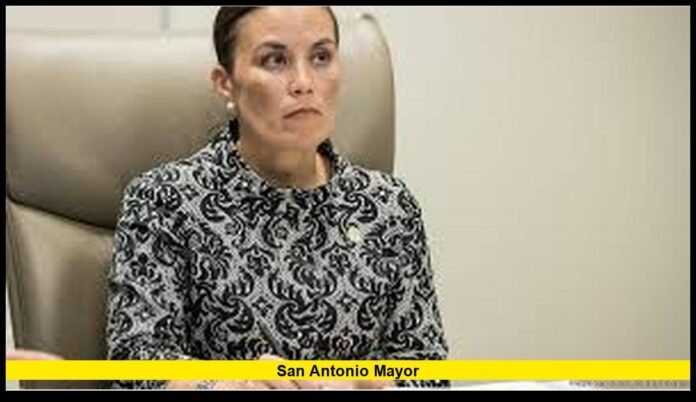

San Antonio mayor Gina Ortiz Jones continues to lead Texas’ second-largest city through a period of rapid growth, major development projects, and important policy decisions that will influence residents for years to come. Since taking office in June 2025, Jones has focused on housing affordability, public safety, infrastructure improvements, economic opportunity, and long-term planning as San Antonio faces the opportunities and challenges that come with a growing population and expanding economy.
The city entered a new political era following the end of former Mayor Ron Nirenberg’s tenure. Voters selected Jones in a closely watched election that attracted attention across Texas and beyond. Her victory marked a significant milestone in local politics and introduced a new leadership team at City Hall.
Today, nearly a year into her administration, residents, business leaders, community organizations, and policymakers continue to watch how her leadership influences the future direction of one of the most important cities in the United States.
Who Is Gina Ortiz Jones?
Gina Ortiz Jones brought a unique background to the mayor’s office. Before entering municipal government, she served in the United States Air Force and later held a senior position in the federal government as Under Secretary of the Air Force.
Her experience managing large organizations and overseeing national-level initiatives helped establish her public profile long before she entered San Antonio’s mayoral race.
Born and raised in Texas, Jones built a reputation for public service and leadership. During the mayoral campaign, she emphasized practical solutions, economic growth, government accountability, and expanding opportunities for residents across the city.
Her election represented a historic moment for San Antonio and highlighted the city’s changing political landscape.
The Election That Changed San Antonio Politics
The 2025 mayoral election was one of the most competitive local contests in recent city history.
For the first time in many years, voters faced an open mayoral race because Ron Nirenberg had reached term limits. Without an incumbent candidate on the ballot, numerous political figures and community leaders entered the contest.
More than two dozen candidates sought the position, creating a crowded and highly competitive field.
The initial election took place in May 2025. No candidate received enough votes to secure an outright victory, forcing a runoff election between Gina Ortiz Jones and former Texas Secretary of State Rolando Pablos.
The runoff drew increased voter attention and generated extensive discussion about the city’s future priorities.
Jones ultimately won the race with a majority of votes, securing the opportunity to lead one of the nation’s largest municipalities.
Why the Position Matters
The mayor of San Antonio serves as one of the most visible public officials in South Texas.
While the city operates under a council-manager system, the mayor plays a major role in shaping public policy discussions, representing San Antonio on regional and national issues, and helping build consensus among elected officials.
Key responsibilities include:
- Presiding over City Council meetings
- Representing the city at official events
- Promoting economic development
- Supporting community initiatives
- Working with local, state, and federal leaders
- Helping establish policy priorities
Although the mayor does not function as a traditional chief executive, the position carries significant influence.
Strong leadership can affect everything from business investment and housing development to transportation planning and public safety initiatives.
A City Experiencing Rapid Growth
San Antonio continues to rank among the fastest-growing major cities in America.
Population growth has brought new opportunities, but it has also increased pressure on infrastructure, housing, transportation systems, and public services.
New residents continue moving to the region because of its affordability compared with other large metropolitan areas, its strong job market, and its quality of life.
At the same time, growth creates challenges that require careful planning.
City leaders must ensure that roads, utilities, public facilities, and emergency services can keep pace with increasing demand.
Mayor Jones has frequently highlighted the importance of planning for future growth while maintaining the character of neighborhoods that have helped define San Antonio for generations.
Housing Affordability Remains a Top Concern
Few issues affect residents more directly than housing costs.
Like many communities across the United States, San Antonio has experienced significant changes in its housing market over the past several years.
Home prices increased in many areas, while rental costs rose in numerous neighborhoods.
As a result, affordability remains one of the most frequently discussed topics at City Hall.
Residents continue to express concerns about:
- Rising rent payments
- Housing availability
- Homeownership opportunities
- Workforce housing
- Neighborhood stability
- Property taxes
City officials have explored various strategies designed to encourage housing construction while preserving affordability for working families.
The issue remains a central challenge because housing affects economic mobility, workforce development, and overall quality of life.
Economic Development and Job Creation
San Antonio’s economy remains one of the strongest in Texas.
The city benefits from a diverse economic foundation that helps support long-term growth.
Major industries include:
Military and Defense
San Antonio is widely known as Military City USA.
Several military installations contribute billions of dollars to the regional economy while supporting thousands of jobs.
Military activity continues to play a major role in the city’s identity and economic strength.
Healthcare
Healthcare remains one of the region’s largest employment sectors.
Hospitals, medical research organizations, and healthcare providers contribute significantly to both economic activity and community well-being.
Cybersecurity and Technology
The cybersecurity industry continues to expand in San Antonio.
Business leaders and government officials view the sector as an important driver of future economic growth.
Technology companies increasingly see San Antonio as an attractive location because of its workforce, infrastructure, and business environment.
Tourism
Tourism remains a cornerstone of the local economy.
Millions of visitors travel to San Antonio each year, supporting hotels, restaurants, entertainment venues, and small businesses throughout the region.
Economic development efforts under the current administration focus on attracting investment while ensuring residents benefit from new opportunities.
Read More – San Antonio Election Results 2025: Voters Decide Major Local Propositions and Leadership Shifts
Public Safety and Community Confidence
Public safety consistently ranks among voters’ top priorities.
Residents expect reliable emergency response services, effective policing, and safe neighborhoods.
City leaders continue discussing strategies related to:
- Police staffing
- Emergency medical services
- Fire protection
- Traffic safety
- Crime prevention programs
- Community partnerships
Maintaining public confidence requires continuous investment and collaboration among multiple city departments.
The mayor works closely with council members and public safety leaders as they evaluate future needs and priorities.
Infrastructure Projects Across the City
As San Antonio grows, infrastructure improvements become increasingly important.
Roads, drainage systems, water resources, public facilities, and transportation networks all require ongoing investment.
Many residents identify infrastructure improvements as essential to maintaining the city’s quality of life.
Key areas of focus include:
Transportation
Population growth places additional pressure on roadways.
Traffic congestion remains a concern in several parts of the city.
Officials continue evaluating transportation solutions that improve mobility and reduce travel times.
Drainage and Flood Control
San Antonio has long invested in drainage infrastructure.
Protecting neighborhoods from flooding remains an important responsibility for local government.
Water Resources
Water planning continues to receive significant attention because of long-term population growth and environmental considerations.
City leaders regularly evaluate strategies designed to ensure reliable access to water for future generations.
Digital Infrastructure
Technology plays an increasingly important role in government operations and economic development.
Investments in digital infrastructure support both residents and businesses.
Downtown Development and Major Investments
Downtown San Antonio continues to serve as an economic and cultural center for the region.
City leaders regularly evaluate projects intended to strengthen the urban core and encourage investment.
Discussions surrounding downtown development often involve:
- Commercial growth
- Tourism expansion
- Public spaces
- Transportation improvements
- Entertainment venues
- Mixed-use development
Supporters believe strategic investments can strengthen economic activity and attract additional visitors.
Others emphasize the importance of balancing development with neighborhood concerns and fiscal responsibility.
Finding that balance remains an important responsibility for city leadership.
Working With the City Council
Success in municipal government depends heavily on collaboration.
The mayor works alongside ten City Council members representing districts throughout San Antonio.
Each district faces different priorities and concerns.
Some areas focus on housing needs, while others emphasize transportation improvements, public safety, economic development, or neighborhood services.
Because the council-manager system distributes authority among elected officials, building consensus often determines whether major initiatives move forward.
Observers continue to watch how Mayor Jones works with council members to address complex issues facing the city.
The Significance of Four-Year Terms
A major structural change now affects city governance.
San Antonio voters approved a transition from two-year terms to four-year terms for the mayor and City Council members.
This change provides elected leaders with additional time to implement policy goals and complete major initiatives.
Supporters argue that longer terms improve continuity and allow leaders to focus more on governing.
The change also reduces the frequency of citywide election campaigns.
For Mayor Jones, the longer term creates an opportunity to pursue broader objectives over a more extended period.
Community Engagement and Public Participation
Modern city government relies heavily on community engagement.
Residents regularly participate in public meetings, neighborhood discussions, and local initiatives.
Public input influences decisions involving:
- Development projects
- Budget priorities
- Transportation plans
- Housing policies
- Public safety initiatives
The mayor has emphasized the importance of listening to residents from every part of the city.
Community involvement remains a critical component of local government because many policy decisions directly affect daily life.
Challenges Facing San Antonio in 2026
While the city enjoys economic momentum, several challenges continue to demand attention.
These include:
- Managing population growth
- Expanding affordable housing
- Maintaining infrastructure
- Supporting public safety
- Attracting business investment
- Preserving neighborhood character
- Preparing for future economic changes
Addressing these issues requires cooperation among city officials, business leaders, nonprofit organizations, and residents.
No single solution can resolve every challenge, making long-term planning essential.
The National Profile of San Antonio
San Antonio’s influence extends well beyond Texas.
The city ranks among America’s largest municipalities and continues to attract national attention because of its economic growth, military significance, tourism industry, and expanding technology sector.
Major corporations, investors, and policymakers increasingly view San Antonio as an important player in the future of the American economy.
As mayor, Gina Ortiz Jones frequently serves as a representative of the city during discussions involving economic development, infrastructure, and regional cooperation.
Her role places San Antonio at the center of conversations about urban growth and public policy.
What Comes Next for the City
The coming years will help determine how successfully San Antonio manages growth while preserving affordability and quality of life.
City leaders must continue balancing investment, development, public services, and fiscal responsibility.
Residents expect practical solutions to everyday concerns while also preparing the city for long-term success.
Mayor Gina Ortiz Jones entered office during a period of significant change. Her administration now faces the task of translating campaign priorities into measurable results that benefit neighborhoods across the city.
The decisions made during this period will influence housing, transportation, economic opportunity, and community development for years to come.
San Antonio remains one of the most dynamic cities in the country, and its future will largely depend on how effectively local leaders respond to both opportunities and challenges in the years ahead.
As San Antonio continues to grow and evolve, residents will be watching closely to see how city leadership shapes the next chapter in the community’s history.