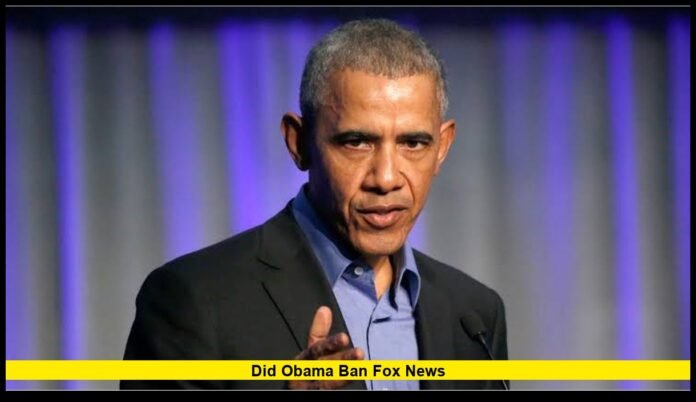

No—Obama did not impose a permanent ban on Fox News, although his administration briefly excluded Fox from a 2009 interview and had other documented disputes over the network’s access and coverage.
Did Obama ban Fox News? No, Barack Obama did not impose a permanent or blanket ban on Fox News during his presidency. His administration did, however, have several public disputes with the network over interviews, media access and coverage, particularly in 2009. Internal White House emails later showed that officials had discussed excluding Fox from certain interviews, while the administration continued to interact with Fox journalists and provide access at other times.
The controversy remains relevant because the Obama White House and Fox News had an unusually contentious relationship during Obama’s first year in office. Statements from White House officials, disputes over individual interviews and later-released emails all contributed to the debate.
Yet the historical record does not support the idea that Obama shut Fox News out of the White House or prohibited the network from covering his administration.
What Actually Happened Between Obama and Fox News?
The disagreement between the Obama administration and Fox News became especially visible during 2009, the first year of Obama’s presidency. The White House was actively promoting its positions on major issues, including health care, the economy and the federal response to the financial crisis, while Fox News regularly featured reporting and commentary that challenged the administration.
The relationship became more contentious in September 2009, when Obama participated in interviews with several major television networks as part of a media effort but did not include Fox News in that particular round of interviews. The decision quickly attracted public attention, and Fox journalist Chris Wallace criticized the administration’s approach to the network.
The dispute intensified the following month. In October 2009, White House Communications Director Anita Dunn made strongly critical comments about Fox News during a television interview. She argued that the network’s news programming and opinion programming should be considered separately when evaluating its coverage.
Fox executives and journalists rejected the White House’s characterization and argued that the administration was treating the network differently from other major news organizations.
The disagreement subsequently expanded beyond public criticism and into questions about access to administration officials. The 2009 controversy became a defining episode in the relationship between the Obama White House and Fox News.
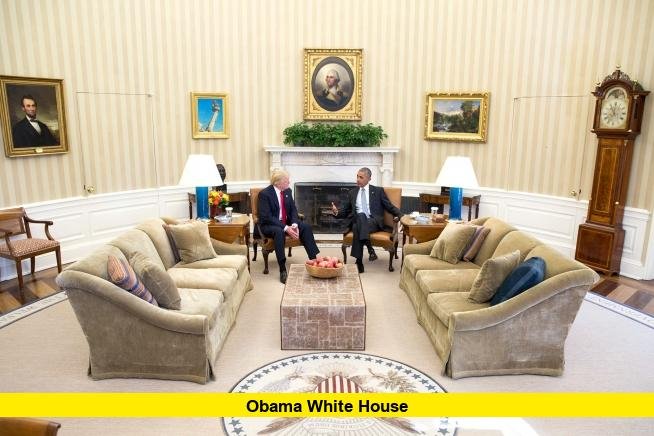
However, the historical record shows a series of disputes over coverage, interviews and media access rather than a permanent prohibition on Fox News. The network continued covering the administration throughout Obama’s presidency, while White House officials continued to interact with Fox journalists.
Read Also-Cheyenne Haslett Politico: Latest Update on the White House Reporter
The 2009 Interview Dispute
One of the most widely discussed incidents involving the Obama administration and Fox News occurred in 2009, when Fox was initially excluded from a planned television interview with Kenneth Feinberg, the administration official overseeing executive compensation reviews for companies that had received federal financial assistance.
The decision quickly attracted attention from other news organizations. Several television networks objected to Fox News being left out of the interview arrangement, arguing that excluding a major national news outlet raised concerns about fair media access. The dispute eventually changed the situation, and Fox News was given an opportunity to participate.
The episode later became an important part of broader debates about the relationship between the Obama White House and Fox News. Critics of the administration pointed to the incident as evidence of an adversarial relationship and argued that the White House had attempted to limit Fox’s access. Administration officials, however, disputed the characterization that Fox News had been subjected to a general ban.
The distinction between the two descriptions is significant. The incident involved access to a specific interview opportunity rather than a prohibition preventing Fox News from covering the administration or speaking with its officials altogether.
Fox News continued operating throughout Obama’s presidency and continued to report on and interview administration officials. The 2009 episode therefore represents a dispute over access to a particular media event, rather than evidence that the Obama administration imposed a blanket ban on Fox News.
What Did Internal Emails Reveal?
The controversy received renewed attention in 2011 after Judicial Watch obtained and released internal government emails concerning the 2009 dispute over Fox News access to an interview with Kenneth Feinberg, the Treasury Department official overseeing executive compensation for certain companies receiving federal assistance.
The documents showed that White House and Treasury officials had discussed Fox News’s participation in the planned interviews. One October 22, 2009, email from White House broadcast media official Dag Vega to Treasury public affairs official Jenni LeCompte stated that the White House preferred that Treasury “skip Fox” for the interview. Judicial Watch also reported other internal messages containing strongly negative comments about Fox News and some of its journalists.
The emails became significant because they provided evidence that officials had discussed excluding Fox from that particular interview opportunity, despite public statements from Treasury officials that there had been no effort to exclude the network. The dispute ultimately ended with Fox News receiving the same Feinberg interview opportunity after other television networks objected to Fox being left out.
The documents therefore support the narrower conclusion that some Obama administration officials discussed and, in specific circumstances, attempted to limit Fox News’s access.
At the same time, the emails do not establish that President Obama ordered a permanent ban on Fox News. The documented episode concerned a particular set of interviews and occurred within a broader relationship in which Fox continued covering the administration and receiving access on other occasions. The historical record is therefore better understood as evidence of specific access restrictions and tensions rather than a blanket prohibition against Fox News.
What Did the White House Say About the Dispute?
The Obama White House addressed the controversy surrounding Fox News and the 2009 Feinberg interview on several occasions. The issue resurfaced in a July 2011 White House briefing, when Press Secretary Jay Carney faced questions about emails and discussions connected to the earlier dispute.
Carney acknowledged that tensions had existed between the White House and Fox News, particularly concerning the network’s coverage of the administration. However, he also emphasized that the relationship was not defined by a permanent exclusion of Fox News from White House activities.
According to Carney’s comments, administration officials continued to interact with Fox News journalists and participated in interviews with the network. Fox reporters also continued covering the White House and administration policies during Obama’s presidency.
That distinction is important when assessing the broader claim that Obama “banned” Fox News. A dispute over access to a particular interview or disagreement about coverage is different from an official policy preventing an entire news organization from interacting with government officials.
The historical record therefore points to a complicated relationship marked by political disagreements, criticism and occasional disputes over media access. At the same time, Fox News continued to operate as a national news organization and maintained access to administration officials.
The 2009 Feinberg episode can consequently be understood as a specific access controversy rather than evidence of a continuing or government-wide ban on Fox News.
Did the Obama White House Exclude Fox From Some Interviews?
Yes, the Obama White House did attempt to limit Fox News’ participation in some interview opportunities, but the evidence does not show that it imposed a general ban on the network. In 2009, during a dispute between the administration and Fox News, the White House tried to exclude Fox from an interview with executive compensation official Kenneth Feinberg while other major news organizations were included. The move drew criticism from press organizations and other journalists, who argued that excluding one news outlet from a press pool was problematic.
The administration defended its actions by arguing that it was responding to what officials viewed as Fox’s opinion-driven coverage, while Fox and its supporters said the restrictions amounted to unfair treatment. The White House later acknowledged that Fox had been left out of the Feinberg interview but maintained that there was no broad policy preventing Fox reporters from accessing officials.
Fox News continued to receive White House access, interviews, and presidential appearances during Obama’s presidency, including interviews with President Obama on Fox programs. The historical record therefore shows episodes of tension and limited exclusions, not a complete ban on Fox News.
Did Obama Personally Ban Fox News?
There is no verified evidence that Barack Obama personally issued an order to permanently ban Fox News from the White House. The documented disputes involved decisions by White House communications officials and media staff regarding access to specific interviews and events, rather than a presidential directive to bar the network.
Internal communications and public statements from administration officials showed that the White House had significant disagreements with Fox News’ coverage and, at times, considered limiting its participation in certain media opportunities. However, the historical record does not show that Obama himself ordered Fox News to be excluded from White House journalism.
The distinction between actions taken by a presidential administration and a direct order from the president is important. White House officials may manage interview access and media arrangements without those decisions representing a personal command from the president. Fox News continued to receive White House access, conduct interviews, and cover the Obama administration throughout his presidency.
Fox News Continued Covering the Obama Administration
Fox News remained an active national news organization throughout Barack Obama’s presidency and continued reporting on the administration from Washington. Its journalists covered White House announcements, presidential speeches, policy decisions, and major political developments alongside other media outlets.
The network also continued to receive access to administration officials and conducted interviews during Obama’s time in office. While there were disputes between the White House and Fox News over specific coverage issues and individual access decisions, those conflicts did not result in a permanent exclusion of the network.
The continued presence of Fox reporters in the White House press environment is a key reason historians and fact-checkers distinguish between temporary disputes over access and the claim of a complete ban. The historical record shows ongoing media competition and disagreements, but Fox News continued operating as part of the broader Washington news landscape throughout Obama’s presidency.
Obama Later Appeared on Fox News
One of the clearest pieces of evidence against the idea of a permanent ban on Fox News came from Barack Obama’s later appearances on the network.
In April 2016, White House Press Secretary Josh Earnest confirmed that Obama would participate in an interview with Chris Wallace for Fox News Sunday. The planned appearance demonstrated that, despite earlier disagreements between the administration and Fox News, the president continued to engage directly with the network.
Earnest explained that the interview would give Obama an opportunity to speak with Fox’s audience, including viewers who might not otherwise hear directly from the president. He also pointed out that Obama had previously participated in an interview with Wallace after taking office.
The 2016 appearance provides important context for claims that Obama had imposed a continuing restriction on Fox News. By that stage of his presidency, Obama was once again appearing on one of the network’s major Sunday programs and answering questions from one of its prominent journalists.
The interview was not described as the restoration of access following a formal, long-term ban. Instead, it was presented as part of the normal presidential media schedule, showing that the relationship between the White House and Fox News remained active despite earlier disputes.
This later interaction does not erase the disagreements that occurred during Obama’s presidency. However, it helps distinguish temporary conflicts over media access from the much broader claim that the administration permanently banned Fox News.
Obama and Chris Wallace
Chris Wallace became one of the most prominent Fox News journalists associated with the media disputes involving the Obama administration. During the 2009 controversy, Wallace publicly criticized the White House’s handling of Fox News and raised questions about the network’s access to administration officials.

The relationship later took a different turn. Years after the earlier dispute, Wallace interviewed Barack Obama, demonstrating that disagreements between the White House and Fox News did not prevent the president from appearing on the network.
The evolution of the relationship between Obama and Wallace is significant when examining claims that Fox News was “banned” during Obama’s presidency. The administration could strongly object to aspects of Fox’s coverage while still allowing its journalists to participate in interviews and providing opportunities for the network to question administration officials.
This type of relationship was not unusual in American politics. Presidents and their administrations frequently criticize news organizations while continuing to engage with them. Political disagreements over reporting, editorial coverage or individual access decisions do not necessarily translate into a permanent prohibition against a news outlet.
The Obama-Fox relationship therefore included both confrontation and continued engagement. Wallace’s criticism during the earlier dispute and his later interview with Obama illustrate how the relationship changed over time without supporting the idea of a permanent government ban on Fox News.
Why Did the Dispute Become So Intense?
Several factors contributed to the tension between the Obama White House and Fox News. Fox News was a major national cable network with a large audience, while the Obama administration sought to promote its policies and communicate directly with the public through various media channels.
The White House argued that some Fox News coverage was unfair or overly partisan, while Fox News defended its reporting and criticized what it viewed as attempts to limit its access. The disagreement became a broader debate about media coverage, political communication, and the relationship between government officials and news organizations.
As the dispute continued, the conflict itself became a major news story. Interviews, press access decisions, and public comments from both sides received extensive coverage. Fox reported on White House actions and statements, while administration officials responded to Fox’s reporting and criticized certain coverage.
The result was a highly visible media dispute during the early years of the Obama administration, but it remained a conflict over access and coverage rather than a permanent ban on Fox News.
Was Fox Removed From the White House Press Pool?
The historical record does not show that Barack Obama permanently removed Fox News from the White House press pool. During the 2009 dispute between the administration and Fox News, reporters questioned White House Press Secretary Robert Gibbs about the network’s role and whether the administration believed Fox should be treated differently from other news organizations.
Gibbs acknowledged the administration’s disagreements with Fox’s coverage but did not announce a policy removing Fox from the press pool. He also noted that decisions involving the White House Correspondents’ Association and press arrangements were separate from the president’s direct authority.
This distinction is important because the White House press pool operates through an established media-access system involving journalists and the White House Correspondents’ Association, rather than being a list personally controlled by the president.
Although the Obama administration criticized Fox News and there were disputes over specific interviews and access decisions, Fox journalists continued covering the White House. The evidence therefore supports the conclusion that the network was not permanently removed from presidential press coverage.
The Difference Between Restricted Access and a Ban
The word “ban” implies a broad and continuing prohibition. When examining the Obama administration’s relationship with Fox News, however, the documented events were more limited and specific.
Fox News was excluded from certain interview opportunities, while administration officials discussed or implemented restrictions involving particular media events. White House personnel also publicly criticized the network and questioned aspects of its coverage.
Those events are part of the historical record. However, they do not establish that Fox News was permanently prohibited from covering the Obama administration.
Throughout Obama’s presidency, Fox journalists continued reporting from Washington and covering the White House. The network continued receiving access to administration information and, at various points, opportunities to interview administration officials.
Obama himself later participated in Fox programming, including an interview with Chris Wallace. That later appearance is particularly relevant because it demonstrates that interaction between the president and Fox News continued despite the earlier disputes.
Taken together, these facts support an important distinction between restricted access in specific circumstances and a permanent ban on an entire news organization.
The Obama-Fox relationship involved disagreements, criticism and disputes over individual media-access decisions. But the available historical record describes those events as episodes within an ongoing relationship rather than evidence of a blanket prohibition preventing Fox News from covering or interviewing the president and his administration.
A Timeline of the Obama-Fox News Conflict
The conflict between President Barack Obama’s administration and Fox News developed through a series of public disagreements over media access, political coverage, and the role of news organizations in American politics. During Obama’s presidency, White House officials frequently criticized the network’s coverage, while Fox News journalists questioned whether the administration was treating the network fairly. The dispute became particularly visible in 2009, when disagreements over television interviews and access to administration officials attracted national attention.
Although the relationship was sometimes confrontational, the dispute did not result in a permanent ban on Fox News. The network continued to cover the administration, participate in White House press activities, and interview administration officials. The following timeline outlines the major developments and explains how the relationship evolved over time.
September 2009: President Obama’s television interviews generate controversy.
In September 2009, the Obama administration’s approach to television interviews with major news organizations became an early source of public tension involving Fox News. During a round of interviews with Sunday television programs, Obama appeared on several networks but did not participate in an interview with Fox News. The omission attracted attention because Fox was one of the country’s most prominent cable news networks.
Fox News commentators and other critics questioned whether the administration was deliberately avoiding the network because of its reporting and commentary. The White House, meanwhile, maintained that its media strategy involved selecting interview opportunities and communicating its positions through multiple outlets.
The disagreement reflected a broader challenge for the administration: how to engage with news organizations whose coverage frequently challenged its policies. For Fox News, the situation raised questions about whether the White House was applying consistent standards when deciding which networks received interviews with the president.
This episode helped bring the relationship between the administration and Fox News into the national spotlight. However, the absence of an interview during that particular round did not mean the network had been formally barred from covering the president or the White House.
October 2009: White House officials publicly criticize Fox News coverage.
By October 2009, tensions between the Obama administration and Fox News had become more direct. White House Communications Director Anita Dunn criticized the network’s approach to political coverage, arguing that its programming sometimes functioned more like a partisan communications operation than a traditional news outlet. Obama also questioned aspects of the network’s coverage and its role in political debate.
Fox News rejected the administration’s criticism and continued to report on White House policies, including health care reform, economic recovery measures, and other major political issues. The disagreement extended beyond individual stories and interviews, becoming part of a broader debate over the relationship between political officials and the press.
The controversy attracted attention because presidents routinely rely on news organizations to communicate with the public, even when those organizations are critical of their policies. Critics of the administration argued that its rhetoric risked discouraging adversarial reporting, while administration supporters maintained that officials had a right to challenge coverage they considered misleading or unfair.
October 2009: The Kenneth Feinberg interview dispute escalates.
One of the most significant incidents occurred on October 22, 2009, when the Treasury Department arranged interviews with Kenneth Feinberg, the official responsible for reviewing executive compensation at companies receiving federal assistance. The dispute centered on whether Fox News would be included in the interview opportunities available to the television network press pool.
According to contemporaneous reporting, Treasury initially attempted to make Feinberg available to the other networks without including Fox News. The other television network bureau chiefs objected, arguing that Fox was a member of the established press pool and should not be excluded. They decided not to proceed with the interviews unless Fox was included.
The episode quickly developed into a wider controversy about media access. Fox News portrayed the incident as evidence that the administration was attempting to penalize a news organization for its coverage. Critics of the White House also questioned whether political disagreements were influencing decisions about access to administration officials.
The administration ultimately allowed Fox News to participate in the interview opportunity. This outcome was important because it demonstrated that the disagreement had not resulted in a lasting exclusion of the network from the press pool.
Late October 2009: The dispute becomes a national media story.
Following the Feinberg incident, the conflict received extensive attention from other news organizations and political commentators. The central issue was no longer simply whether Obama or his advisers agreed with Fox News coverage. Instead, the controversy raised questions about the standards governing access to government officials.
The White House argued that Fox News often blurred the distinction between reporting and political commentary. Fox, in turn, maintained that the administration was using its influence to challenge a network that regularly scrutinized its policies.
The episode also illustrated the importance of cooperation among journalists covering the White House and federal agencies. The other television networks’ decision to support Fox’s inclusion showed that press access could become a collective concern rather than an issue involving only one organization.
Although the dispute was resolved without a permanent exclusion, it became one of the most frequently cited examples of the strained relationship between the Obama administration and Fox News.
2010: Disagreements continue over political coverage.
During 2010, the broader tensions between the administration and Fox News remained part of the political conversation. The network continued to criticize Obama administration policies, while administration officials and Democratic supporters challenged Fox’s reporting and commentary.
Issues such as health care legislation, the economy, federal spending, and the administration’s political strategy frequently generated disagreements between the White House and conservative media commentators. These disagreements were not limited to Fox News, but the network became a particularly visible focus because of its prominence and its often adversarial coverage of the president.
The conflict also reflected a larger change in American political communication. Cable news networks had become influential platforms for political debate, and their programming could shape how voters understood the administration’s decisions.
However, there was no permanent prohibition preventing Fox News from reporting on the White House. The network continued to cover administration activities, and disagreements over particular interviews did not eliminate its role in the press corps.
2011: Released emails renew scrutiny of the White House’s approach.
The dispute returned to the headlines in July 2011, when emails obtained and released by Judicial Watch provided additional information about White House communications involving Fox News.
One email dated October 22, 2009, from White House media official Dag Vega to Treasury spokeswoman Jenni LeCompte included the phrase, “we’d prefer if you skip Fox please.” The message became a focal point of renewed reporting about whether administration officials had discussed excluding the network from interviews.
The emails renewed questions about the administration’s public statements during the original controversy. They also added detail to the debate over whether the White House’s criticism of Fox News had influenced decisions about access to government officials.
Nevertheless, the documents did not establish that Fox News had been permanently banned from White House coverage. The original Feinberg dispute had ended with Fox being included in the interview opportunity, and the network continued to cover the administration.
The episode remained significant because it demonstrated how internal communications could affect public perceptions of the relationship between government officials and journalists.
2011: The administration continues to defend its relationship with the press.
As the email controversy received attention, the broader debate continued over whether the White House was treating Fox News differently from other networks. Administration officials faced questions about their communication strategy and their public criticism of the network.
Fox News maintained that the emails supported its concerns about the administration’s approach. The White House, meanwhile, disputed the suggestion that it had established a lasting policy of excluding the network.
The disagreement highlighted a distinction between criticizing a news organization and restricting its access to government information. Presidents and their communications teams regularly challenge reporting, but attempts to exclude a member of an established press pool can raise separate concerns about fairness and transparency.
The controversy did not end the working relationship between Fox News and the administration. Instead, it became part of the historical record of disagreements between the two institutions during Obama’s first term.
2013: Obama continues occasional engagement with Fox News.
The relationship remained complicated during Obama’s second term. Although the president did not frequently appear on Fox News, he continued to engage with the network on selected occasions.
In 2013, Fox News host Chris Wallace interviewed Obama for the network. This was notable because the president’s appearances on Fox were less frequent than his interviews with some other major television outlets. The interview demonstrated that the network remained a potential venue for presidential communication despite the disagreements that had emerged in 2009.
The distinction between occasional access and a close relationship is important. The existence of an interview did not mean that the earlier conflict had disappeared, nor did the continuing criticism establish that Fox had been shut out of the administration.
Instead, the relationship involved a combination of public criticism, selective interviews, and ongoing news coverage.
2014: Obama appears on Fox News for a pre-Super Bowl interview.
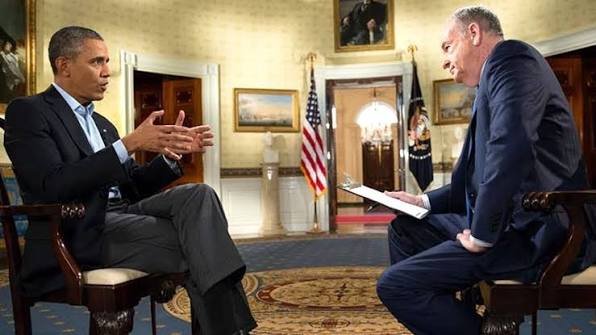
In 2014, Obama participated in a pre-Super Bowl interview with Fox News host Bill O’Reilly. The interview provided another example of direct engagement between the president and the network.
The appearance was significant because O’Reilly was known for challenging Democratic politicians and questioning the administration’s policies. The interview therefore offered a platform for the president to address issues before an audience that included viewers who might not regularly watch other news networks.
The exchange also showed that the administration was willing to communicate through Fox News even when the network’s coverage was frequently critical. The appearance did not resolve the wider debate about media bias or the White House’s treatment of the press, but it provided further evidence against the claim that Fox News had been permanently excluded from presidential interviews.
April 2016: Obama returns to Fox News Sunday with Chris Wallace.
On April 10, 2016, Obama appeared on Fox News Sunday with Chris Wallace. The interview was his first appearance on the program since becoming president and his first interview on Fox News Channel since 2014. The discussion took place at the University of Chicago and covered the 2016 election, the Supreme Court nomination process, terrorism, and the president’s legacy.
During the interview, Obama also addressed political polarization. He argued that Republicans increasingly relied on media outlets that reinforced their existing views and referred to Fox News as having a particularly prominent role in conservative political communication.
The exchange demonstrated that the relationship remained contentious even when the president agreed to appear on the network. Obama used the opportunity to discuss his administration’s positions while also criticizing aspects of the political media environment.
For Fox News, the interview represented an important opportunity to question the sitting president directly. For the administration, it offered a chance to communicate with the network’s audience on major issues during the final year of Obama’s presidency.
The appearance was a clear example of continued engagement rather than a permanent ban.
January 2017: Obama leaves office with the dispute unresolved as a broader media debate.
When Obama’s presidency ended in January 2017, the disagreements between his administration and Fox News remained part of the broader debate about American politics and journalism.
The relationship had included criticism of Fox’s coverage, disputes over interview access, internal communications that attracted public scrutiny, and occasional direct interviews with the president. These events demonstrated that relations between the White House and a major news organization could become strained without ending all professional interaction.
The conflict also illustrated the competing responsibilities of political officials and journalists. Administrations seek to communicate their policies and challenge reporting they consider inaccurate, while news organizations seek access to officials and the freedom to scrutinize government decisions.
Ultimately, the Obama-Fox News dispute was marked by recurring tensions rather than a permanent prohibition on coverage. Fox News continued to report on the administration, and Obama continued to appear on the network on selected occasions.
Overall, the timeline shows how political disagreements, media access, and competing views about journalistic impartiality shaped the relationship between the Obama administration and Fox News.
What the Historical Record Shows
The historical record shows that the relationship between the Obama White House and Fox News was marked by significant disagreements over media coverage, access, and political reporting.
First, the Obama administration and Fox News had a highly public dispute over how the network covered White House policies and officials.
Second, Fox News was excluded from some specific interview opportunities during the dispute, leading to criticism from the network and press organizations.
Third, internal communications later revealed that administration officials had discussed limiting Fox’s participation in certain media events, which added to concerns about press access.
Fourth, White House officials publicly criticized aspects of Fox News coverage, while Fox defended its reporting and challenged the administration’s approach.
Fifth, Fox News continued operating as an active news organization throughout Obama’s presidency, with journalists covering White House events, policies, and political developments.
Sixth, administration officials continued interacting with Fox journalists despite the disagreements, showing that communication between the two sides continued.
Finally, President Obama later appeared on Fox News Sunday with Chris Wallace in 2016, demonstrating that direct engagement between the president and the network remained possible.
Taken together, these documented events show a contentious relationship between the Obama administration and Fox News, involving criticism and disputes over access, but they do not support the claim that Obama imposed a permanent government ban on Fox News.
Why the Claim Still Gets Attention
The claim that Obama banned Fox News continues to attract attention because the 2009 dispute between the White House and the network was unusually public and highly debated.
The disagreement was not limited to private conversations. White House officials openly criticized aspects of Fox News coverage, while Fox journalists and commentators publicly challenged the administration’s actions and defended the network’s reporting.
The controversy gained additional attention after internal communications showed that administration officials had discussed excluding Fox from certain interview opportunities. Those details became a major part of the debate over whether the White House was treating Fox differently from other media organizations.
However, individual disputes over interviews and access did not create a permanent prohibition against Fox News. Looking at the full timeline — including events before, during, and after the 2009 conflict — shows that Fox continued covering the Obama administration, participating in the broader White House media environment, and interviewing administration officials.
The continued presence of Fox journalists in presidential coverage is a key part of understanding the controversy. The historical record reflects a period of intense disagreement between a presidential administration and a major news organization, rather than a lasting government ban on Fox News.
The Bottom Line
Did Obama ban Fox News? No. The Obama administration had documented conflicts with Fox News and restricted the network’s access in certain circumstances, especially during the highly contentious period of 2009.
Internal emails later showed that White House officials had discussed excluding Fox from specific interviews. The administration also publicly criticized Fox’s coverage.
However, Fox News continued covering the Obama administration throughout his presidency. White House officials continued communicating with Fox journalists, and Obama later appeared on Fox News Sunday with Chris Wallace.
The most accurate description is that Obama’s White House had a highly contentious relationship with Fox News that included disputes over access, interviews and coverage. The available historical record does not establish a permanent or blanket ban ordered by Obama.
Have you seen a different claim about Obama’s relationship with Fox News? Share your view in the comments and keep following the verified historical record.