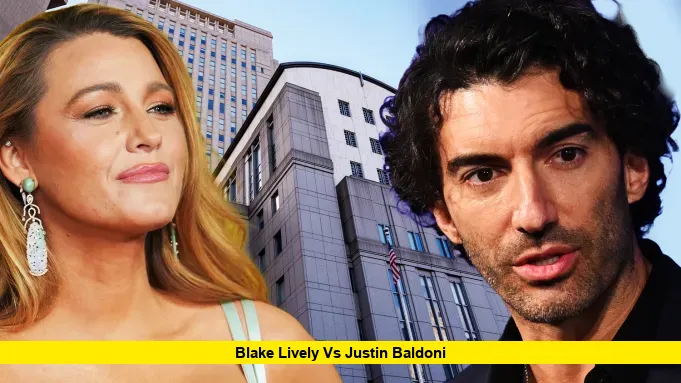

A major courtroom decision has reshaped one of Hollywood’s most talked-about legal disputes, as blake lively vs justin baldoni enters a critical new phase just weeks before trial. A federal judge has dismissed several key allegations brought by Blake Lively, dramatically narrowing the scope of her lawsuit against Justin Baldoni and shifting the focus to a smaller set of claims that will now define the case moving forward.
The ruling does not end the legal fight, but it significantly changes how it will unfold in court—and what a jury will ultimately be asked to decide.
Court Removes Central Allegations From the Case
In a decisive move, the court dismissed multiple high-profile claims that had formed the backbone of Lively’s lawsuit. Among those removed were allegations tied to sexual harassment, defamation, and conspiracy.
This development marks a pivotal moment, as the case now moves forward without several of its most serious accusations. The judge determined that these claims did not meet the legal thresholds required to proceed under the statutes cited in the complaint.
By eliminating these elements, the court has effectively streamlined the case, narrowing it to issues that can be argued more directly under existing legal standards.
Legal Definitions Played a Critical Role
A central factor in the ruling involved how Lively’s role was categorized during the film’s production. The court examined whether she qualified for protections typically associated with employees, particularly in relation to workplace harassment claims.
Because she was determined to be working in a capacity aligned with an independent contractor, certain legal protections did not apply in the same way. That distinction became a key reason why some of the claims could not move forward.
The decision underscores how classification in the entertainment industry can influence not just contracts and pay, but also the types of legal remedies available in disputes.
What the Lawsuit Now Focuses On
With several claims dismissed, the case now centers on a more limited set of allegations. The remaining claims include:
- Retaliation
- Aiding and abetting retaliation
- Breach of contract
These claims shift the spotlight away from alleged conduct during production and toward actions that may have occurred afterward.
The central question now becomes whether any steps taken following Lively’s reported concerns were retaliatory in nature or violated contractual obligations.
A Closer Look at the Dispute
The legal conflict traces back to the production of It Ends With Us, a film that brought both Blake Lively and Justin Baldoni into a high-profile collaboration.
While the project achieved commercial success, tensions behind the scenes eventually escalated into a legal confrontation. Lively filed her lawsuit alleging that she experienced inappropriate behavior and later faced professional consequences after raising concerns.
Baldoni has denied those allegations, maintaining that he acted appropriately throughout the production process and that the claims do not accurately reflect what occurred.
The situation quickly developed into a broader legal battle, drawing attention across the entertainment industry.
Earlier Legal Actions Add Complexity
Before this latest ruling, the dispute had already seen significant developments in court. Baldoni previously filed a defamation lawsuit connected to the conflict, which was dismissed.
That earlier decision shifted momentum at the time, just as the current ruling does now. Together, these outcomes illustrate how the legal landscape has evolved as both sides pursue their claims.
Each ruling has narrowed the issues and clarified what the courts are willing to consider, bringing the case closer to its central questions.
Trial Set for May as Stakes Remain High
The case is scheduled to go to trial on May 18, where the remaining claims will be examined in detail.
Although the lawsuit is now more focused, the stakes remain significant. Retaliation claims can carry serious consequences, particularly when they involve allegations of reputational harm or professional setbacks.
With fewer claims in play, the trial is expected to concentrate heavily on specific pieces of evidence, including communications, timelines, and contractual agreements.
How the Court’s Decision Changes Strategy
The judge’s ruling has likely forced both legal teams to adjust their approach.
For Lively’s side, the challenge now lies in building a compelling case around the remaining claims without relying on the broader allegations that were dismissed.
For Baldoni’s defense, the narrowed scope presents an opportunity to focus on countering a more defined set of arguments.
This shift may lead to a more streamlined trial, but it also raises the importance of every detail presented in court.
Why This Case Continues to Draw National Attention
The ongoing legal battle between the two actors has captured widespread attention for several reasons.
First, both individuals are well-known figures, making any dispute between them highly visible. Second, the nature of the allegations touches on broader issues within the entertainment industry, including workplace dynamics and professional accountability.
Finally, each new development—particularly major court rulings—continues to reshape public understanding of the case.
As a result, interest remains high as the trial date approaches.
Key Questions Heading Into Trial
With the case now entering its next phase, several important questions remain:
- Can the remaining claims be proven under the current legal framework?
- Will the evidence support allegations of retaliation?
- How will contractual obligations factor into the outcome?
These questions will likely define the courtroom proceedings and ultimately determine how the case is resolved.
Industry Implications Beyond the Courtroom
Beyond the immediate legal battle, the case highlights broader considerations for the entertainment industry.
The distinction between employee and independent contractor status continues to play a significant role in legal disputes. This case may serve as another example of how those classifications affect the rights and protections available to individuals working on major productions.
Additionally, the outcome could influence how similar disputes are approached in the future, both legally and professionally.
A Narrower Case, but an Uncertain Outcome
Even with the dismissal of several claims, the lawsuit remains far from resolved.
The remaining allegations still carry weight, and the outcome of the trial will depend on how effectively each side presents its case.
The courtroom proceedings are expected to bring greater clarity to the events at the center of the dispute, as well as the actions that followed.
For now, the case stands as a reminder that legal battles can evolve significantly before reaching trial—and that each ruling can redefine what is ultimately at stake.
A Defining Moment in a High-Profile Legal Battle
As the trial date approaches, the focus is sharper than ever. What began as a wide-ranging lawsuit has been reduced to its core issues, setting the stage for a more concentrated legal showdown.
The blake lively vs justin baldoni case now moves forward with fewer claims but no less intensity, as both sides prepare for what could be a decisive moment in court.