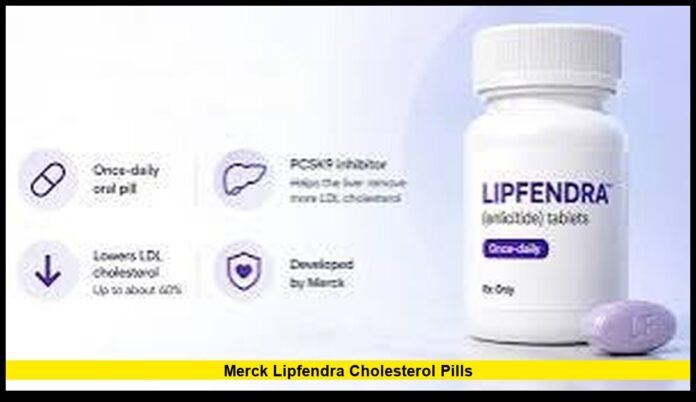

For millions of Americans living with high LDL cholesterol, the approval of the Merck Lipfendra cholesterol pill represents one of the most significant developments in cardiovascular medicine in recent years. On July 16, 2026, the U.S. Food and Drug Administration approved Lipfendra (enlicitide), making it the first oral PCSK9 inhibitor available in the United States. The once-daily prescription medication provides eligible adults with a tablet alternative to injectable PCSK9 therapies while delivering substantial reductions in LDL cholesterol in clinical studies.
The approval is widely viewed as a milestone because PCSK9 inhibitors have transformed cholesterol management over the past decade but have traditionally required injections. By introducing an oral option, Merck hopes to broaden access to advanced cholesterol-lowering therapy and improve treatment adherence among patients who prefer taking a daily pill.
A Major Advance in Cholesterol Management
High cholesterol remains one of the most common health conditions affecting adults worldwide. Elevated levels of low-density lipoprotein (LDL) cholesterol are strongly associated with the development of plaque inside arteries, increasing the risk of heart attacks, strokes, and other cardiovascular diseases.
For decades, statins have been the primary treatment for lowering LDL cholesterol. While statins continue to play an essential role in cardiovascular prevention, they are not always enough to help every patient reach recommended cholesterol targets. Some individuals require additional medications because of inherited cholesterol disorders, extremely high LDL levels, or persistent elevations despite maximally tolerated statin therapy.
The approval of Lipfendra introduces an entirely new option for these patients by combining powerful cholesterol reduction with the convenience of oral administration.
What Is Lipfendra?
The medication belongs to the PCSK9 inhibitor class. PCSK9 inhibitors work differently from statins, targeting a protein involved in regulating cholesterol removal from the bloodstream rather than reducing cholesterol production inside the liver.
Until now, every FDA-approved PCSK9 inhibitor required patients to receive injections at intervals ranging from every two weeks to every several months. Lipfendra changes that approach by delivering similar biological effects through a once-daily tablet.
The FDA approved Lipfendra as an addition to healthy diet and lifestyle measures for adults diagnosed with primary hypercholesterolemia, including those with heterozygous familial hypercholesterolemia (HeFH).
Healthcare professionals will determine whether Lipfendra should be prescribed alongside statins or other cholesterol-lowering therapies depending on each patient’s cardiovascular risk profile and treatment goals.
Understanding the Role of PCSK9
To appreciate why Lipfendra represents an important advance, it helps to understand the function of the PCSK9 protein.
The liver naturally removes LDL cholesterol from circulation using specialized LDL receptors located on liver cells. These receptors capture cholesterol particles from the blood and eliminate them from the body.
PCSK9 reduces the number of available LDL receptors by causing them to break down after use. When fewer receptors remain on liver cells, less cholesterol can be removed from circulation, leading to higher LDL cholesterol levels.
Lipfendra blocks the activity of PCSK9, allowing more LDL receptors to remain active. As a result, the liver becomes more efficient at clearing LDL cholesterol from the bloodstream, producing significant reductions in circulating cholesterol levels.
Because the medication targets a different biological pathway than statins, it can complement existing therapies rather than replace them in many patients.
FDA Approval Backed by Extensive Clinical Research
The FDA based its approval on results from Merck’s large Phase 3 clinical development program.
More than 3,200 participants enrolled in multiple international studies evaluating the medication’s ability to safely lower LDL cholesterol among adults already receiving standard cholesterol treatment.
The findings demonstrated that Lipfendra consistently achieved substantial LDL reductions across different patient populations.
One pivotal study evaluated adults with established cardiovascular disease or those considered at particularly high cardiovascular risk. Participants were already receiving maximally tolerated statin therapy yet continued to require additional LDL lowering.
After 24 weeks of treatment, patients taking Lipfendra experienced approximately a 56 percent placebo-adjusted reduction in LDL cholesterol.
Another major study focused on adults diagnosed with heterozygous familial hypercholesterolemia, an inherited condition that causes unusually high cholesterol levels from birth.
In this population, Lipfendra reduced LDL cholesterol by approximately 59 percent compared with placebo after 24 weeks.
These results position the medication among the most effective oral cholesterol-lowering therapies currently available.
Why an Oral PCSK9 Inhibitor Matters
The introduction of a tablet rather than an injection offers practical advantages that extend beyond convenience.
Many patients delay or avoid injectable medications because they dislike needles or find scheduled injections inconvenient. Others simply prefer oral medications because they fit more naturally into existing daily routines.
A once-daily pill may improve long-term medication adherence, which remains one of the biggest challenges in managing chronic conditions like high cholesterol.
Improved adherence could translate into more consistent cholesterol control over time, particularly among patients requiring lifelong therapy.
Physicians also gain greater flexibility when discussing treatment options, allowing therapy decisions to better match individual patient preferences.
Who May Benefit From Lipfendra?
Lipfendra is intended for adults who require additional LDL cholesterol reduction beyond what can be achieved through healthy lifestyle changes and existing therapies.
Potential candidates include patients diagnosed with:
- Primary hypercholesterolemia
- Heterozygous familial hypercholesterolemia
- Persistently elevated LDL cholesterol despite statin therapy
- Patients requiring additional cholesterol lowering to achieve recommended targets
Healthcare providers will evaluate several factors before prescribing the medication, including cholesterol levels, cardiovascular risk, family history, previous medication response, and overall health status.
The Merck Lipfendra cholesterol pill is not designed to replace healthy habits. Patients are still expected to maintain heart-healthy eating patterns, regular exercise, weight management, and smoking cessation when appropriate.
Lipfendra Does Not Replace Lifestyle Changes
No cholesterol medication can eliminate the importance of healthy living.
Experts continue to recommend a comprehensive cardiovascular prevention strategy that includes:
- Consuming a diet rich in fruits, vegetables, whole grains, and lean proteins
- Limiting saturated fats and trans fats
- Exercising regularly
- Maintaining a healthy body weight
- Managing blood pressure and diabetes
- Avoiding tobacco products
- Limiting excessive alcohol consumption
Lipfendra works best as part of this broader approach to cardiovascular risk reduction.
Safety Findings From Clinical Trials
Overall, the safety profile observed during clinical studies was considered favorable.
Most participants tolerated the medication well, and discontinuation rates because of adverse events were generally similar to those receiving placebo.
Among patients with heterozygous familial hypercholesterolemia, the most commonly reported side effects occurring more frequently than placebo included diarrhea and dizziness.
As with every prescription medication, physicians will carefully review potential risks, existing medical conditions, and possible medication interactions before initiating treatment.
Patients should always follow prescribing instructions and report any concerning symptoms to their healthcare provider.
Pricing and Market Availability
Merck has announced a U.S. wholesale acquisition cost of approximately $10.50 per day, equivalent to about $315 per month before insurance adjustments.
Actual costs for individual patients will depend on insurance coverage, pharmacy benefit managers, copayment assistance, Medicare policies, and manufacturer support programs.
Private insurers will gradually determine formulary placement following the FDA approval, and additional patient assistance initiatives may become available after the commercial launch.
Merck expects the medication to reach pharmacies in the United States within weeks.
How Lipfendra Fits Into Current Treatment Guidelines
Cardiologists increasingly recognize that lowering LDL cholesterol remains one of the most effective strategies for reducing cardiovascular risk.
Current treatment often follows a stepwise approach.
Lifestyle modifications remain the foundation of care.
Statins typically serve as first-line medications because of decades of evidence demonstrating reductions in heart attacks, strokes, and cardiovascular mortality.
When LDL cholesterol remains above recommended targets despite maximally tolerated statin therapy, physicians may add additional medications.
Lipfendra now joins this growing list of therapeutic options, offering clinicians another evidence-based choice for appropriate patients.
Rather than replacing existing medicines, the drug broadens the range of available treatment strategies.
Ongoing Cardiovascular Outcomes Research
Although Lipfendra has demonstrated impressive reductions in LDL cholesterol, researchers continue studying whether those reductions translate directly into fewer cardiovascular events over many years.
Large ongoing clinical trials are evaluating outcomes such as:
- Heart attacks
- Ischemic strokes
- Cardiovascular-related deaths
- Hospitalizations related to cardiovascular disease
These studies will provide additional evidence regarding the medication’s long-term role in reducing major cardiovascular complications.
Because decades of research have consistently shown that lowering LDL cholesterol generally reduces cardiovascular risk, many experts are optimistic about the medication’s future impact.
A Competitive Cholesterol Treatment Landscape
Lipfendra enters a market that already includes several established cholesterol-lowering therapies.
Statins remain the foundation of treatment for most patients, while ezetimibe, injectable PCSK9 inhibitors, bempedoic acid, and other medications provide additional options when needed.
The arrival of the first oral PCSK9 inhibitor introduces meaningful competition and could encourage broader innovation across cardiovascular drug development.
Healthcare providers now have increased flexibility when tailoring treatment plans according to each patient’s clinical needs and preferences.
What Patients Should Know
Patients should not stop or change their cholesterol medications without first consulting their healthcare provider.
Anyone interested in Lipfendra should discuss several topics with their physician, including:
- Current cholesterol levels
- Overall cardiovascular risk
- Existing medications
- Previous response to statins
- Family history of high cholesterol
- Potential insurance coverage
Treatment decisions remain highly individualized, and physicians will determine whether Lipfendra is appropriate based on each patient’s medical history.
Looking Ahead
The FDA approval of Lipfendra represents an important milestone in cholesterol management by bringing the first oral PCSK9 inhibitor to patients in the United States. Its combination of significant LDL cholesterol reduction and convenient once-daily dosing has the potential to reshape treatment strategies for adults who require additional lipid-lowering therapy.
As physicians begin incorporating the medication into clinical practice and additional long-term data become available, Lipfendra could play an increasingly important role in helping patients achieve recommended cholesterol targets while expanding access to advanced cardiovascular care.
With cardiovascular disease remaining one of the leading causes of death worldwide, innovations that simplify treatment while maintaining strong clinical effectiveness are likely to have a lasting impact on both patients and healthcare providers.
As Lipfendra becomes available across the United States, its real-world performance will be closely watched by physicians, patients, and the broader medical community looking for new ways to improve cholesterol management and long-term heart health.