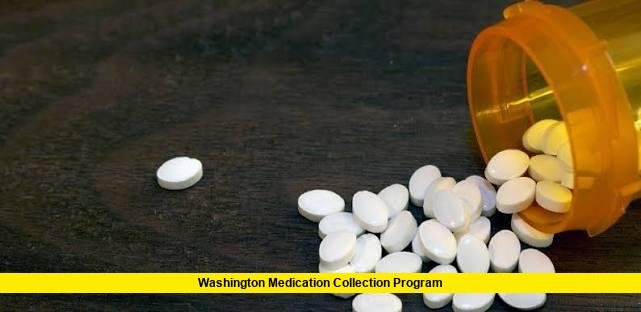

Washington’s Washington medication collection program, officially known as the Safe Medication Return program, has removed more than 1 million pounds of unwanted household medication from homes since the statewide system began. The program provides free ways for Washington residents to return unused and expired prescription and over-the-counter medicines, but a recent state review has highlighted concerns involving rural access, collection-site requirements, program funding and the departure of one of its two operators.
The latest developments are especially important as Washington evaluates the future of the program ahead of its scheduled sunset in 2029.
What Is Washington’s Medication Collection Program?
Washington’s Safe Medication Return program was created by the Legislature in 2018 to establish a statewide system for collecting and safely disposing of unwanted household medications. The statewide program began operating in 2020.
The system is designed to reduce the risks associated with unused medications remaining in homes. Secure disposal can help prevent accidental poisonings, medication misuse and overdoses while also reducing the amount of medication improperly discarded into household waste or wastewater.
The program covers eligible medications used by people and pets. It includes prescription and over-the-counter medicines in various forms, as well as certain medication-containing devices.
Drug manufacturers are responsible for funding the system rather than individual consumers. The Washington State Department of Health oversees the program, while approved program operators organize collection, transportation, disposal and public education.
How the Washington Medication Collection Program Works
Residents can generally use two primary methods to return unwanted household medication: secure collection kiosks and prepaid mail-back services.
Collection kiosks are located at participating pharmacies and other eligible sites. Residents can deposit qualifying medications into secure collection boxes without having to pay a disposal fee.
The program also provides prepaid and preaddressed mail-back packages. Different mail-back options are available for medicines, inhalers and certain medication-containing injectors.
The Department of Health says the services are free to Washington residents and do not require identification.
Collected medications are securely packaged, transported and destroyed at facilities that meet applicable disposal requirements.
The program does not handle pharmaceutical waste generated by hospitals, clinics and other businesses. Those materials fall under different waste-management requirements.
More Than 1 Million Pounds Collected Since 2020
The scale of the Washington medication collection program is one of its clearest measurable accomplishments.
A recent state audit reported that more than 1 million pounds of medication had been collected since the statewide program began in 2020. The volume demonstrates that residents have made substantial use of the system to remove unwanted medicines from households.
The state’s more detailed program data also shows continued collection activity. In 2024, program operators reported collecting 220,646 pounds of medication.
According to the legislative review, total medication collection increased by 18% between 2022 and 2024.
However, the amount collected is only one measure of program performance. State auditors also examined whether residents have reasonable access to collection locations, whether the program can demonstrate its effectiveness and whether the funding structure provides enough money for state oversight.
Rural Communities Face Greater Access Challenges
One of the most significant issues identified in the latest review involves geographic access.
Washington has a statutory service standard that establishes expectations for collection-site availability based on population. However, neither operator had met the full standard, according to the state review.
The number of collection sites has also declined since 2023.
The challenge is particularly noticeable in smaller communities. Rural residents may have to travel farther to reach a secure medication drop-off location than residents in larger urban areas.
The recent review found that more than 100 cities and towns did not meet the applicable collection-site requirement based on data examined by auditors. Smaller communities were disproportionately affected.
This does not mean residents in those communities have no disposal option. Mail-back services provide another method for returning qualifying medication, including for people who may not have convenient access to a kiosk.
Still, auditors and lawmakers have raised questions about whether the existing rules accurately reflect the practical realities of rural Washington.
Inmar Intelligence Leaves the Program
Another major development came in 2026 when Inmar Intelligence voluntarily withdrew from Washington’s Safe Medication Return system.
Inmar ended its Washington operations on June 30, 2026. That left MED-Project as the sole state-approved operator currently providing the program.
Before the change, two operators were responsible for implementing the system. The loss of one operator means fewer collection locations in some areas and changes the financial structure supporting state oversight.
Inmar said its decision followed an evaluation of the long-term sustainability of the program and the viability of its existing operating model.
The company has also withdrawn from medication take-back programs in other states, according to the legislative review.
The Washington Department of Health is now working with MED-Project as the remaining operator while the state considers longer-term changes.
What Happens to Medication Collection Sites?
The departure of Inmar does not mean Washington’s medication disposal system has ended.
MED-Project remains the approved operator and continues to provide collection kiosks, mail-back options and related services.
However, the transition may affect the availability of collection sites. Some locations that previously participated through Inmar may need to transition to MED-Project or otherwise cease participating.
This is particularly relevant in areas that already have fewer nearby disposal options.
The Department of Health has indicated that its program structure will continue while the state addresses the broader questions raised by the audits and the operator change.
Residents who want to dispose of medication should use currently listed Safe Medication Return locations or the available mail-back system rather than assuming that every previous collection site remains active.
Funding Has Become a Major Concern
The latest reviews also identified financial challenges within the Washington medication collection program.
Drug manufacturers fund the program through approved operators, while the Department of Health collects fees to support its regulatory and oversight responsibilities.
A 2026 Joint Legislative Audit and Review Committee review found that fee revenue had not covered the Department of Health’s program costs since fiscal year 2024.
Between fiscal years 2022 and 2025, the Department of Health spent between roughly $321,000 and $527,000 annually on program oversight.
The audit concluded that the statutory fee structure limits the department’s ability to consistently recover its costs. Revenue can fluctuate because the amount operators spend on their programs affects the fees used to support state oversight.
The department’s overhead costs also increased as a share of its expenditures during the period reviewed by auditors.
These funding questions have become more important following Inmar’s departure because the program now has only one active operator.
Why Measuring Program Effectiveness Is Difficult
Collecting medication is easy to quantify, but determining how effectively the system is achieving its broader goals is more complicated.
The state can measure the weight of medication collected through kiosks and other return methods. It is harder to determine how many households are participating, why residents choose one disposal method over another and how collection rates vary across different communities.
The state has also faced limitations in determining which types of medication are being collected.
The latest audit noted that the program does not collect detailed data identifying the specific types of drugs returned.
That information could potentially help policymakers understand whether the program is reaching households with medications that present particular risks. Without comprehensive data, however, measuring the program’s impact becomes more difficult.
Mail-Back Services Could Become More Important
Mail-back disposal is already an important part of Washington’s medication-return system, but the latest discussion has placed greater attention on the option.
Mail-back packages can help residents who live far from a collection kiosk or who cannot easily travel to a participating location.
This may be particularly relevant for rural communities, where the distance to a physical collection site can be significantly greater than in urban areas.
The state has made mail-back supplies available for different categories of qualifying medication. Residents can obtain supplies through participating distributors or request them through the program.
Even so, the audit found that the overwhelming majority of returned medication has historically come through kiosks rather than mail.
Whether Washington can substantially increase use of mail-back services remains an open question.
What Medication Can Be Returned?
The Safe Medication Return system is designed for eligible household medication, including many prescription and over-the-counter products.
Covered categories can include:
- Prescription medications
- Over-the-counter medications
- Pet medications
- Certain inhalers
- Certain medication-containing medical devices
- Certain sharps that contain medication through designated mail-back procedures
There are also important exclusions.
The program does not accept items such as vitamins and supplements, herbal remedies, cosmetics, exposed sharps, illegal drugs and certain non-medication products.
Residents should follow the current program’s instructions for packaging and returning specific products because disposal requirements can vary depending on the medication or device.
Why Safe Medication Disposal Matters
Unused medicine can create risks when it remains accessible in a household for long periods.
A prescription that is no longer needed may be accidentally taken by another person, misplaced or improperly discarded. Secure collection provides a controlled way to remove unwanted medication from the home.
Environmental protection is another reason for the program. Improper disposal can allow pharmaceutical substances to enter waste streams or waterways.
Washington’s system was therefore designed around several public-health and environmental objectives rather than simply collecting old prescription bottles.
For residents, the practical message is straightforward: unused medication should be handled through an appropriate disposal method instead of being casually discarded.
Washington’s Program Is Approaching a Major Decision Point
The state’s medication collection system is scheduled for a sunset review as Washington approaches 2029.
The Legislature has established the sunset process to examine whether the program should continue and what changes may be necessary.
The review is expected to consider issues including collection-site availability, program performance, oversight, funding and compliance with statutory requirements.
The state’s earlier 2026 fee-setting audit was narrower and focused specifically on the Department of Health’s oversight costs and fee structure. A broader sunset review is expected to examine the program more comprehensively.
That means the current challenges do not necessarily signal an immediate end to medication collection in Washington. Instead, they provide lawmakers and regulators with information about areas that may need adjustment.
Latest Update on Washington’s Medication Collection Program
As of the latest available information, MED-Project is the sole state-approved Safe Medication Return operator following Inmar Intelligence’s withdrawal on June 30, 2026.
The Department of Health is reviewing an updated MED-Project proposal submitted in March 2026. The state has also indicated that it expects to review proposals from potential new operators beginning July 1, 2028.
Meanwhile, the program continues to offer free medication return services through eligible collection sites and mail-back options.
The Department of Health is also continuing to oversee compliance, review program reports and prepare for the broader evaluation associated with the program’s scheduled sunset.
The latest developments therefore point to a program that remains operational but is entering an important period of transition.
What the Future Could Look Like
Several issues are likely to remain central as Washington lawmakers consider the future of the program.
Improving rural access could require changes to the existing collection-site requirements or greater use of alternative return methods. A more predictable funding structure could help the Department of Health maintain adequate oversight. Better data collection could also make it easier to determine whether the program is reaching the households and communities that need it most.
At the same time, the more than 1 million pounds of medication collected since 2020 shows that Washington residents are using the system on a substantial scale.
The challenge for policymakers is determining how to preserve that public benefit while addressing the operational, geographic and financial weaknesses identified in the latest reviews.
Final Thoughts
Washington’s medication collection program has become an important part of the state’s approach to safely disposing of unwanted household medicines. More than 1 million pounds collected since 2020 represents a significant volume of medication removed from homes and directed toward controlled disposal.
At the same time, the latest audits show that collection totals alone do not tell the complete story. Rural access gaps, declining collection-site numbers, funding limitations, incomplete performance data and the departure of Inmar Intelligence have created new challenges.
With MED-Project now serving as the sole approved operator and the program moving toward a major sunset review, Washington faces several decisions about how its medication take-back system should operate in the years ahead. For residents, free kiosk and mail-back options remain available for eligible household medications while the state evaluates how to strengthen the system.
Stay updated on Washington’s medication collection program and share your thoughts on how the state can make safe medication disposal more accessible.