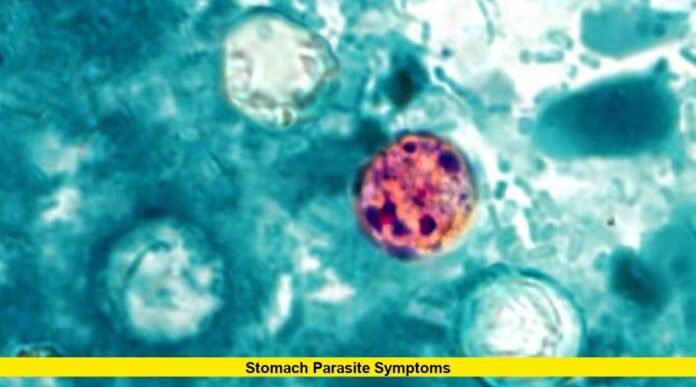

Stomach parasite symptoms can vary from mild digestive discomfort to severe gastrointestinal illness depending on the type of parasite, a person’s overall health, and how long the infection has been present. While many people recover with appropriate treatment, recognizing the warning signs early can help prevent complications and reduce the risk of spreading certain parasitic infections to others. Understanding how these infections occur, who is most at risk, and what symptoms deserve medical attention is an important part of protecting digestive health.
Understanding Stomach Parasites
The term “stomach parasite” is commonly used to describe parasites that infect the digestive system, even though many actually live in the intestines rather than the stomach itself. These organisms survive by feeding on nutrients from their host, sometimes leading to digestive symptoms and nutritional deficiencies.
Parasitic infections are found worldwide and affect millions of people each year. While they are more common in regions with poor sanitation, they can also occur in developed countries through contaminated food, unsafe drinking water, international travel, close contact with infected individuals, or exposure to infected animals.
The most common digestive parasites include:
- Giardia
- Cryptosporidium
- Cyclospora
- Entamoeba histolytica
- Various tapeworm species
- Roundworms
- Hookworms
- Pinworms
Each parasite produces different symptoms, and not everyone infected becomes seriously ill.
Common Stomach Parasite Symptoms
The severity of stomach parasite symptoms depends on the specific organism, the number of parasites present, and the person’s immune system.
Some infections produce noticeable symptoms within days, while others may remain unnoticed for weeks or even months.
Common symptoms include:
- Persistent diarrhea
- Loose or watery stools
- Abdominal cramps
- Stomach pain
- Bloating
- Excessive gas
- Nausea
- Vomiting
- Loss of appetite
- Unexplained weight loss
- Fatigue
- Weakness
- Mild fever
- Dehydration
Some people also experience alternating constipation and diarrhea, particularly with certain intestinal parasites.
Children, older adults, pregnant women, and individuals with weakened immune systems may develop more severe illness.
Digestive Symptoms That Should Not Be Ignored
Digestive complaints are common and are not always caused by parasites. Viral infections, food poisoning, food intolerances, inflammatory bowel disease, and bacterial infections can produce similar symptoms.
However, stomach parasite symptoms deserve medical evaluation when they include:
- Diarrhea lasting more than several days
- Blood in the stool
- Persistent vomiting
- Severe dehydration
- High fever
- Ongoing abdominal pain
- Significant weight loss
- Symptoms developing after international travel
- Symptoms occurring after drinking untreated water
Medical evaluation is especially important if symptoms continue despite home care.
How People Become Infected
Parasites usually enter the digestive tract through contaminated food or water. Many infections spread through microscopic eggs or cysts that survive outside the body until they are swallowed.
Common sources include:
- Untreated drinking water
- Contaminated fresh produce
- Undercooked meat or fish
- Poor hand hygiene
- Swimming in contaminated recreational water
- Close contact with infected individuals
- Improper food handling
- Exposure to contaminated soil
Travelers visiting regions where sanitation systems are limited often face a higher risk of intestinal parasite infections.
Different Parasites Produce Different Symptoms
Although many digestive parasites cause diarrhea, each infection has its own pattern.
Giardia
Giardia commonly causes:
- Watery diarrhea
- Greasy stools
- Excessive gas
- Abdominal bloating
- Fatigue
- Weight loss
Symptoms may continue for several weeks without treatment.
Cryptosporidium
Cryptosporidium frequently produces:
- Profuse watery diarrhea
- Stomach cramps
- Nausea
- Vomiting
- Mild fever
People with weakened immune systems may experience prolonged illness.
Cyclospora
Cyclospora infections often cause:
- Persistent watery diarrhea
- Loss of appetite
- Fatigue
- Weight loss
- Bloating
- Abdominal cramping
Symptoms sometimes improve before returning again.
Tapeworms
Many tapeworm infections produce few symptoms initially.
When symptoms occur, they may include:
- Mild abdominal discomfort
- Weight loss
- Nausea
- Increased or reduced appetite
- Vitamin deficiencies in some cases
Amoebiasis
Infection with Entamoeba histolytica may cause:
- Bloody diarrhea
- Severe abdominal pain
- Fever
- Intestinal inflammation
Without treatment, complications may develop in some patients.
Risk Factors for Digestive Parasite Infections
Anyone can develop a parasitic infection, but certain situations increase the likelihood.
Higher-risk groups include:
- International travelers
- Campers using untreated water
- People living in crowded environments
- Childcare workers
- Children attending daycare
- People with weakened immune systems
- Individuals handling livestock
- People consuming raw or undercooked seafood
- Communities affected by poor sanitation
Understanding these risk factors can help reduce exposure.
How Doctors Diagnose Parasitic Infections
Because stomach parasite symptoms overlap with many other illnesses, laboratory testing is usually required for an accurate diagnosis.
Healthcare providers may recommend:
- Stool sample examination
- Stool antigen testing
- Molecular PCR testing
- Blood tests
- Imaging studies in selected cases
- Endoscopy when necessary
Some parasites are difficult to detect on a single stool sample, so multiple samples collected over several days may improve accuracy.
Available Treatment Options
Treatment depends entirely on which parasite is responsible.
Doctors may prescribe:
- Antiparasitic medications
- Antibiotics for specific protozoan infections
- Fluid replacement therapy
- Electrolyte replacement
- Nutritional support
Over-the-counter anti-diarrheal medicines are not appropriate for every parasitic infection, especially when bloody diarrhea or high fever is present. Medical guidance is recommended before using these medications.
Most patients recover completely when the correct medication is started promptly.
Hydration Is Essential During Recovery
Diarrhea and vomiting can rapidly lead to dehydration, especially in young children and older adults.
During recovery, patients are generally advised to:
- Drink plenty of fluids
- Use oral rehydration solutions if recommended
- Eat small, easily digestible meals
- Avoid alcohol
- Limit greasy foods until symptoms improve
Severe dehydration requires urgent medical care and sometimes intravenous fluids.
Possible Complications
Many intestinal parasites resolve without long-term problems when treated appropriately.
However, untreated infections may occasionally lead to complications such as:
- Chronic diarrhea
- Malnutrition
- Vitamin deficiencies
- Anemia
- Weight loss
- Growth problems in children
- Persistent fatigue
- Severe dehydration
Certain parasites can spread beyond the digestive tract, although this occurs far less frequently.
Preventing Parasitic Infections
Many digestive parasite infections are preventable through good hygiene and safe food practices.
Helpful preventive measures include:
- Wash hands thoroughly with soap and water.
- Drink treated or bottled water when traveling.
- Wash fruits and vegetables before eating.
- Cook meat and seafood thoroughly.
- Avoid swallowing water while swimming.
- Practice safe food preparation.
- Maintain proper sanitation.
- Avoid consuming food from unsafe sources.
Travelers should learn about local food and water safety before visiting high-risk destinations.
Recent Public Health Attention
Public health agencies continue to monitor outbreaks involving foodborne and waterborne parasites. In recent years, health officials have investigated outbreaks linked to contaminated fresh produce, imported foods, recreational water, and untreated drinking water.
These investigations help identify contamination sources, remove affected products from the market when necessary, and provide updated guidance to healthcare professionals and the public. As surveillance technology improves, outbreaks may be identified more quickly than in the past, allowing for faster public health responses.
Individual cases of parasitic illness remain relatively common worldwide, but widespread outbreaks are still uncommon compared with many viral gastrointestinal illnesses.
When Medical Care Is Needed
Although many mild stomach illnesses improve without prescription medication, persistent stomach parasite symptoms should not be ignored.
Medical evaluation is recommended for people who experience:
- Symptoms lasting longer than one week
- Persistent diarrhea after travel
- Blood in stool
- Severe abdominal pain
- Significant dehydration
- Ongoing vomiting
- High fever
- Rapid weight loss
- Symptoms in infants or elderly adults
Early diagnosis often leads to quicker recovery and helps prevent unnecessary complications.
Outlook for Recovery
The outlook is generally very good for most patients diagnosed with intestinal parasites. Modern laboratory testing allows healthcare providers to identify many common organisms accurately, and effective treatments are available for most parasitic infections.
Recovery time varies depending on the parasite involved, the patient’s immune status, and how quickly treatment begins. Some individuals feel better within days of starting medication, while others may need several weeks before their digestive system fully returns to normal.
Maintaining hydration, following prescribed treatment, and practicing good hygiene during recovery help reduce the chance of prolonged illness or transmission to others.
Final Thoughts
Stomach parasite symptoms range from mild digestive upset to more serious gastrointestinal illness, making early recognition especially important. While many infections are treatable, persistent diarrhea, unexplained weight loss, abdominal pain, or prolonged digestive symptoms should be evaluated by a healthcare professional. Safe food handling, clean drinking water, proper sanitation, and good hand hygiene remain the most effective ways to reduce the risk of intestinal parasite infections.
Have you experienced digestive symptoms or want to learn more about intestinal health? Share your thoughts in the comments and stay updated with the latest health information.