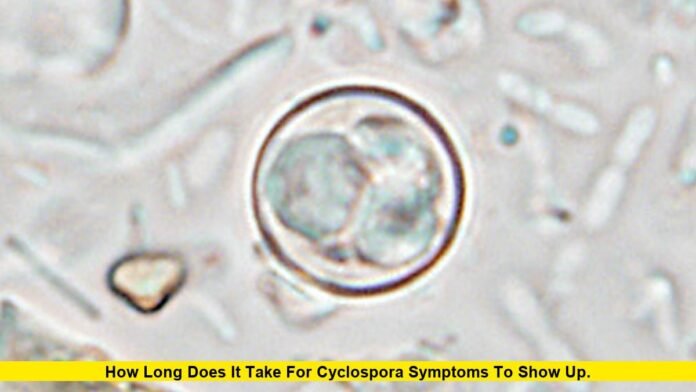

If you’re wondering how long does it take for cyclospora symptoms to show up, the answer is usually about 2 to 14 days after consuming contaminated food or water, with around one week being the most common incubation period. However, the exact timing may vary from person to person depending on factors such as the number of parasites ingested and an individual’s overall health. Understanding this timeline is important because symptoms often appear days after exposure, making it difficult to identify the source of infection immediately.
Understanding Cyclospora Infection
Cyclospora infection, also known as cyclosporiasis, is an intestinal illness caused by the microscopic parasite Cyclospora cayetanensis. The parasite spreads primarily through contaminated fresh produce or water.
Unlike many foodborne bacteria, Cyclospora requires time outside the human body before becoming infectious. Because of this, direct person-to-person transmission is considered uncommon under normal circumstances.
Health authorities continue to investigate outbreaks each year, particularly during warmer months when imported and domestically grown fresh produce is widely consumed.
The Typical Incubation Period
The incubation period refers to the time between swallowing the parasite and developing symptoms.
For Cyclospora, the incubation period generally falls within these ranges:
- Most people develop symptoms about 7 days after exposure.
- Symptoms may begin as early as 2 days after infection.
- In some cases, they may not appear for up to 14 days or longer.
This relatively long incubation period often makes it challenging to determine exactly which meal or food item caused the illness.
Someone who ate contaminated produce during a vacation, picnic, restaurant visit, or family gathering may not feel sick until returning home several days later.
Why Symptoms Do Not Appear Immediately
After entering the digestive tract, Cyclospora does not cause illness instantly. The parasite must complete part of its life cycle inside the small intestine before producing noticeable symptoms.
During this period, the parasite multiplies and damages the intestinal lining, leading to inflammation and impaired absorption of nutrients and fluids. Once enough intestinal irritation develops, symptoms begin to appear.
This biological process explains why infection is delayed compared with certain bacterial food poisoning illnesses that may cause symptoms within only a few hours.
Early Symptoms That May Develop
Many people first notice digestive discomfort that gradually becomes more severe.
Common early symptoms include:
- Frequent watery diarrhea
- Loss of appetite
- Mild stomach cramps
- Fatigue
- Nausea
- Increased gas
- Bloating
- Urgent need for bowel movements
Some individuals also experience:
- Low-grade fever
- Headache
- Muscle aches
- General weakness
Symptoms may start mildly before progressing over several days.
The Most Common Symptom: Prolonged Diarrhea
Watery diarrhea remains the hallmark symptom of Cyclospora infection.
Without appropriate treatment, diarrhea may continue for days or even weeks. Some people experience cycles in which symptoms improve before returning again.
The diarrhea can lead to dehydration, particularly among:
- Older adults
- Young children
- Pregnant individuals
- People with weakened immune systems
Because prolonged diarrhea has many possible causes, laboratory testing is often needed to confirm Cyclospora.
How Long Symptoms Usually Last
The illness can persist considerably longer than many common stomach infections.
Without treatment:
- Symptoms may continue for several weeks.
- Some people experience illness lasting more than a month.
- Symptoms may come and go over time.
With appropriate antibiotic treatment, many patients begin improving within several days, although complete recovery varies.
Even after diarrhea resolves, fatigue and reduced energy levels may continue temporarily as the intestines heal.
Factors That May Influence When Symptoms Begin
Although one week is considered typical, several factors may influence how long does it take for cyclospora symptoms to show up.
These include:
Amount of Parasite Consumed
A larger number of infectious organisms may contribute to earlier symptom development, although this relationship is not always predictable.
Individual Immune Response
Each person’s immune system responds differently. Some individuals may experience symptoms sooner, while others develop illness later.
Overall Health
People with weakened immune systems may develop more prolonged or severe illness, though the incubation period itself may still fall within the usual range.
Age
Children and older adults may experience different symptom severity, but the incubation period generally remains similar.
Foods Most Commonly Linked to Cyclospora
Cyclospora has repeatedly been associated with fresh produce that is eaten raw.
Foods investigated during past outbreaks have included:
- Bagged salad mixes
- Romaine lettuce
- Cilantro
- Basil
- Parsley
- Fresh berries
- Green onions
- Snow peas
- Sugar snap peas
Fresh produce can become contaminated before reaching consumers if exposed to contaminated water or poor sanitation during growing, harvesting, or processing.
Cooking food thoroughly generally destroys the parasite, which is why raw produce presents a higher risk.
Water as a Source of Infection
Although food receives more attention, contaminated water may also transmit Cyclospora.
Possible sources include:
- Untreated drinking water
- Contaminated recreational water
- Water used for washing produce
- Irrigation water during farming
Water quality improvements and proper sanitation significantly reduce transmission risk.
Why Cyclospora Is Sometimes Difficult to Diagnose
Many gastrointestinal illnesses produce similar symptoms.
Cyclospora may initially be mistaken for:
- Viral gastroenteritis
- Food poisoning
- Irritable bowel syndrome flare
- Other parasitic infections
- Certain bacterial infections
Routine stool testing does not always detect Cyclospora automatically.
Healthcare providers may request specialized laboratory testing when prolonged diarrhea or exposure history raises suspicion.
Treatment Options
Cyclospora infection is usually treated with prescription antibiotics.
The most commonly recommended treatment is a combination antibiotic containing trimethoprim and sulfamethoxazole.
Most patients experience noticeable improvement after beginning appropriate therapy.
People who cannot take this medication because of allergies or other medical reasons should consult their healthcare provider regarding possible alternatives or supportive management. There is no universally effective alternative that works for every patient, and treatment decisions depend on individual circumstances.
In addition to medication, supportive care includes:
- Drinking plenty of fluids
- Replacing lost electrolytes when necessary
- Eating easily digestible foods during recovery
- Resting while symptoms improve
When Medical Care Is Important
Persistent diarrhea should not be ignored.
Medical evaluation is especially important if symptoms include:
- Diarrhea lasting several days without improvement
- Blood in the stool
- Severe dehydration
- High fever
- Persistent vomiting
- Significant weight loss
- Severe abdominal pain
- Symptoms in infants, older adults, or immunocompromised individuals
Early diagnosis can shorten illness and reduce complications.
Preventing Cyclospora Infection
Although no prevention method is perfect, several practical measures reduce risk.
These include:
- Washing hands thoroughly before preparing or eating food
- Rinsing fresh fruits and vegetables under running water
- Practicing safe food handling
- Drinking water from safe sources when traveling
- Following food safety advisories during outbreaks
Because Cyclospora can adhere to produce, washing alone may not completely eliminate contamination. Safe agricultural practices and food production standards remain essential for preventing outbreaks.
Public Health Monitoring and Recent Developments
Cyclospora infections continue to be monitored by public health authorities in several countries. Seasonal outbreaks are investigated to identify contaminated foods and remove affected products from distribution.
Advances in laboratory testing and food traceability have improved outbreak investigations in recent years, although identifying the exact source may still take time due to the parasite’s incubation period and the complexity of food supply chains.
Consumers should pay attention to official food recall announcements and public health advisories during active outbreaks.
Key Takeaways About the Incubation Timeline
For most people, how long does it take for cyclospora symptoms to show up can be answered with a relatively consistent timeframe.
Important points include:
- Symptoms usually begin about one week after exposure.
- The incubation period commonly ranges from 2 to 14 days.
- Watery diarrhea is the most characteristic symptom.
- Illness can last weeks without proper treatment.
- Prescription antibiotics are effective for most confirmed infections.
- Prompt medical evaluation is recommended for prolonged diarrhea or signs of dehydration.
Recognizing the delayed onset of symptoms helps explain why Cyclospora infections are sometimes difficult to trace back to a specific meal or food item.
Final Thoughts
Cyclospora infection is an important foodborne illness that deserves attention because its symptoms often develop days after exposure and may persist much longer than many other gastrointestinal infections. While the typical incubation period is around one week, individual experiences can vary within the expected range. Early recognition of prolonged watery diarrhea, timely medical evaluation, and appropriate treatment can significantly improve recovery. Practicing good food safety habits and staying informed about public health advisories also helps reduce the risk of infection.
Have questions or experiences with Cyclospora? Share your thoughts in the comments or stay updated on the latest food safety and health news.