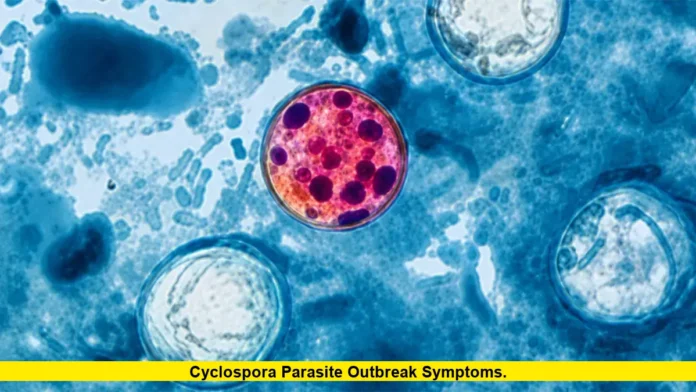

Health officials across the United States are tracking a significant rise in cyclospora parasite outbreak symptoms this summer, as cyclosporiasis cases climb well beyond typical seasonal numbers. The Centers for Disease Control and Prevention has confirmed thousands of cases nationwide in 2026, prompting renewed public attention to how this microscopic intestinal parasite spreads, what symptoms to watch for, and how to protect yourself during peak produce season. With outbreaks tied to contaminated lettuce and other fresh produce, understanding the warning signs of infection has never been more relevant.
What Is Cyclospora and Why Is It Spreading Now
Cyclospora cayetanensis is a single-celled parasite too small to see without a microscope, and it infects the small intestine after someone eats food or drinks water contaminated with the organism. The parasite is shed in human feces, and outbreaks typically occur when fresh produce comes into contact with contaminated water or soil during growing, harvesting, or processing. Unlike many bacterial foodborne illnesses, cyclosporiasis is generally not spread directly from one person to another, since the oocysts shed in stool need one to two weeks in the environment to mature before they become infectious.
The CDC considers May 1 through August 31 the annual cyclosporiasis season, and case counts have historically climbed during the warmer months. However, 2026 has seen an unusually sharp increase. More than 6,700 confirmed or probable cases have been reported to the CDC so far this year, compared to roughly 2,700 cases across all of 2025. Cases have now been reported in more than 30 states, with Michigan, Ohio, Illinois, New York, and Texas among the states reporting the highest totals.
Recognizing Cyclospora Parasite Outbreak Symptoms
Understanding cyclospora parasite outbreak symptoms is essential for early diagnosis, since the illness is often mistaken for a routine stomach bug. Symptoms typically begin about one week after exposure, though onset can range from as little as two days to as long as two weeks or more. Some infected individuals, particularly those from regions where the parasite is endemic, may experience no symptoms at all.
The most common symptoms associated with cyclosporiasis include:
- Watery diarrhea, which is often frequent and may be described as explosive
- Loss of appetite
- Unintended weight loss
- Abdominal bloating and increased gas
- Stomach cramps
- Nausea
- Fatigue
Less common symptoms may include low-grade fever, vomiting, body aches, headache, and other flu-like sensations. Health officials note that without treatment, symptoms can follow a pattern of improving and then returning, sometimes referred to as a remitting-relapsing course. In untreated cases, illness may persist anywhere from a few days to a month or longer, and some sources indicate lingering symptoms can stretch even further in a smaller number of patients. Fatigue in particular may continue even after gastrointestinal symptoms have resolved.
Because these symptoms overlap with many other causes of diarrheal illness, healthcare providers emphasize that a specific stool test is necessary for accurate diagnosis. Routine ova and parasite exams do not always reliably detect Cyclospora, so providers may need to request molecular or PCR-based testing when the infection is suspected, especially in patients with prolonged or unexplained diarrhea.
The 2026 Outbreak: Sources and Investigation
Health authorities have been working to pinpoint the source of the current surge. On July 16, 2026, the FDA and CDC released updates pointing to shredded iceberg lettuce as a likely contributor to illnesses in Michigan, Ohio, Indiana, West Virginia, and Kentucky, with the lettuce reportedly sourced from central Mexico and served at Taco Bell locations. On July 17, 2026, Taylor Farms de Mexico issued a recall covering iceberg lettuce sourced from central Mexico, with the recall notice also including Marketside-brand product sold at Walmart. The FDA has indicated that additional states may be added to the advisory as the investigation continues.
It is important to note that not every case reported this season is necessarily connected to a single source. The CDC has stated it is investigating multiple cyclosporiasis outbreaks and illnesses occurring nationally, some of which are unrelated to the lettuce-linked cluster. In Michigan, the outbreak that first drew widespread attention began in late June, with state health officials reporting that no specific grower, supplier, or produce type had been definitively confirmed as the source as of early July. Ohio has reported more than 1,270 cases in 2026, with a notable increase since late June, while North Carolina reported 240 infections since May. Nationally, hospitalizations have been reported in the low hundreds, and no deaths connected to the outbreak had been confirmed as of mid-July 2026.
Because cyclosporiasis is frequently underdiagnosed, since many people recover without seeking medical testing, health officials caution that actual case numbers are likely higher than what has been officially reported.
Who Is at Risk and How the Parasite Spreads
Anyone can become infected with Cyclospora, and prior infection does not guarantee immunity, meaning reinfection is possible. Risk increases for people who travel to or live in tropical and subtropical regions where the parasite is more common, as well as anyone consuming raw produce that has not been properly washed or sourced from an area affected by contamination. Previous U.S. outbreaks have been linked to a range of imported fresh items, including bagged salad mixes, fresh basil, cilantro, snow peas, raspberries, and green onions, in addition to the lettuce implicated in the current investigation.
People who are immunocompromised may face a higher likelihood of severe or prolonged infection and are encouraged to contact a healthcare provider promptly if cyclosporiasis is suspected. While the illness is usually not life-threatening, reported complications in some cases have included malabsorption, gallbladder inflammation, and reactive arthritis, underscoring why timely diagnosis matters even though most cases are self-limited.
Diagnosis, Treatment, and Recovery
If cyclosporiasis is confirmed, the standard treatment is a seven- to ten-day course of the antibiotic trimethoprim-sulfamethoxazole (commonly known as TMP-SMX) for immunocompetent adults and children older than two months. Longer treatment courses may be considered for patients with weakened immune systems. Alongside antibiotics, healthcare providers typically recommend staying well hydrated, particularly when diarrhea is frequent, and may suggest antidiarrheal medications to help manage symptoms.
Some infections resolve without treatment, but medical guidance generally favors antibiotic therapy for confirmed cases to shorten the duration of illness and reduce the risk of complications such as dehydration. With appropriate treatment, most people begin feeling better within one to two weeks, although occasional bouts of diarrhea may continue for a period afterward. Anyone experiencing severe diarrhea accompanied by dizziness upon standing or a rapid heart rate should seek prompt medical care, as these can be signs of significant dehydration.
Prevention Tips During Peak Season
Because Cyclospora is resistant to routine chlorination and standard sanitizing methods, prevention centers on food and water safety rather than surface disinfection. Recommended precautions include:
- Thoroughly washing fresh fruits and vegetables before eating, even when peeling is involved
- Cooking produce to at least 158°F (70°C) when possible, since heat can kill the parasite
- Refrigerating cut, peeled, or cooked produce within two hours to limit contamination risk
- Checking recall notices and avoiding any implicated lettuce or produce, including asking restaurants about the source of ingredients if unsure
- Drinking only bottled, boiled, or properly treated water when traveling in regions where sanitation may be unreliable
Restaurants and food service operators in affected areas have also been advised by state health departments to review their produce sourcing and follow updated food safety recommendations while the investigation continues.
Final Thoughts
The rise in cyclospora parasite outbreak symptoms being reported across the country in 2026 highlights how quickly a foodborne illness tied to the global produce supply chain can spread across state lines. While cyclosporiasis is rarely life-threatening, the combination of persistent watery diarrhea, fatigue, and weight loss can significantly disrupt daily life if left untreated. As the CDC, FDA, and state health departments continue investigating the source or sources behind this season’s surge, staying informed about recalls, practicing careful food handling, and seeking medical attention for persistent gastrointestinal symptoms remain the most effective ways to stay protected. There is no official confirmation yet of every contributing source behind the broader nationwide rise in cases, and updates are expected as the investigation progresses.
Stay informed on the latest cyclospora outbreak updates and share your thoughts or questions in the comments below.