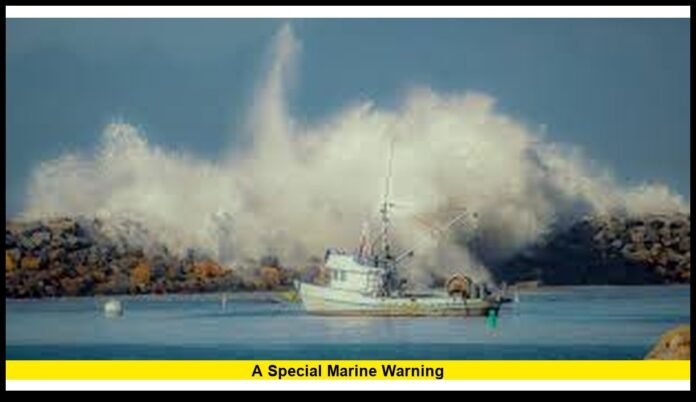

Special marine warning alerts continue affecting major boating regions across the United States as severe thunderstorms create dangerous conditions over coastal waters, bays, lakes, and offshore routes during May 2026. Weather officials have issued repeated warnings in several states after fast-moving storm systems produced strong wind gusts, lightning, rough seas, and reduced visibility for boaters.
The latest weather patterns have increased concern among marine safety experts because many storms are developing quickly during afternoon and evening hours. Recreational boating traffic has also started rising ahead of Memorial Day weekend, placing more people on the water during active thunderstorm periods.
Marine forecasters have warned that sudden storm development remains one of the leading dangers for boaters during late spring and early summer. Small vessels face the highest risks when severe weather forms unexpectedly over open water.
Why Marine Warnings Matter During Boating Season
Marine weather warnings play a critical role in protecting boaters from rapidly changing conditions. Unlike storms over land, marine storms often intensify without much visual warning until hazardous winds and waves are already present.
The National Weather Service uses marine warnings to alert people about immediate threats over water. These alerts help recreational boaters, fishing crews, ferry operators, and commercial vessels react quickly before conditions become life-threatening.
Many marine warnings during the current storm season involve:
- Wind gusts exceeding 34 knots
- Dangerous lightning activity
- Waterspout development
- Heavy rainfall
- Sudden wave growth
- Limited visibility
- Strong thunderstorm cells
Boaters who ignore warnings may face severe navigation problems within minutes.
Recent Storm Activity Triggers Multiple Marine Alerts
Several coastal regions across the United States have experienced active marine weather during recent days. Thunderstorms moving over warm water have generated strong wind bursts capable of creating rough conditions for small and mid-sized boats.
Florida waters have remained especially active. Storms moving across the Gulf Coast and Atlantic side produced repeated marine warnings involving lightning, high winds, and hazardous seas.
Weather offices also monitored marine thunderstorm activity in:
- The Gulf of Mexico
- Atlantic coastal waters
- Chesapeake Bay
- Great Lakes regions
- Southeast coastal inlets
- Florida Keys waterways
Some storms produced visibility reductions so severe that nearby vessels became difficult to detect.
Marine weather experts noted that fast-moving storm lines continue developing during peak afternoon heating hours. These systems can strengthen rapidly before moving across heavily traveled boating routes.
What Happens During a Special Marine Warning
A special marine warning focuses on short-duration weather hazards capable of creating immediate danger for mariners. Most warnings remain active for less than two hours, but conditions can worsen quickly once storms strengthen over water.
When a warning is issued, marine broadcasts often describe:
- Storm location
- Movement direction
- Wind speeds
- Possible hail
- Lightning risk
- Waterspout potential
- Expected impact zones
Warnings usually target specific marine areas rather than large land regions.
Marine alerts may cover:
| Water Area | Typical Risk |
|---|---|
| Coastal waters | High winds and waves |
| Inland lakes | Sudden storm development |
| Bays and sounds | Lightning and rough chop |
| Offshore routes | Reduced visibility |
| River channels | Dangerous crosswinds |
Boaters are strongly encouraged to monitor marine radios continuously during active weather periods.
Small Boats Face the Greatest Danger
Smaller vessels remain especially vulnerable during marine thunderstorms. Sudden wave growth and violent wind shifts can destabilize lightweight boats in a short amount of time.
Open fishing boats, personal watercraft, and small recreational vessels often struggle most during fast-moving storms.
Several boating hazards increase significantly during marine warnings:
- Swamping from large waves
- Passenger falls
- Engine flooding
- Navigation loss
- Equipment damage
- Capsizing risk
High winds may also push vessels toward shallow areas, docks, rocks, or bridge supports.
Experienced mariners often say that thunderstorms over water appear farther away than they actually are. This visual misunderstanding can delay critical safety decisions.
Lightning Remains a Major Marine Threat
Lightning continues ranking among the most dangerous elements of marine thunderstorms. Open water provides little protection once electrical storms develop nearby.
Boat masts, antennas, towers, and metal rails increase strike risk. Lightning may also travel through water surfaces near vessels.
Safety officials advise boaters to return to shore immediately after hearing thunder. Waiting too long can trap vessels in rapidly intensifying storms.
Marine lightning risks include:
- Severe injuries
- Fires onboard
- Electrical failures
- Radio damage
- GPS outages
- Passenger panic
Many modern boats contain sensitive electronics that may fail during nearby lightning strikes.
Waterspouts Create Serious Boating Hazards
Waterspouts remain one of the most frightening marine weather events. These rotating columns of air form over water and may appear suddenly beneath thunderstorm clouds.
Marine forecasters continue monitoring waterspout activity closely during active storm periods.
Two main types develop over U.S. waters:
- Tornadic waterspouts linked to severe thunderstorms
- Fair-weather waterspouts forming in lighter conditions
Both can become dangerous for nearby vessels.
Strong waterspouts may:
- Toss small boats
- Produce damaging winds
- Create intense spray
- Reduce visibility
- Trigger panic among passengers
Boaters should never attempt to approach waterspouts for photographs or videos.
Florida Remains One of the Most Active Marine Weather Zones
Florida consistently ranks among the nation’s busiest marine weather regions because warm ocean temperatures fuel frequent thunderstorm development.
The combination of:
- Gulf moisture
- Atlantic sea breezes
- High humidity
- Warm spring temperatures
creates ideal conditions for marine storms.
Popular boating regions frequently impacted include:
- Tampa Bay
- Miami coastal waters
- Florida Keys
- Naples waterways
- Jacksonville coast
- Destin and Panhandle waters
Spring and summer afternoons often bring rapid thunderstorm growth across these areas.
Tourism activity also increases boating traffic during this period, making marine safety awareness especially important.
The Gulf Coast Faces Repeated Marine Storm Threats
The Gulf Coast continues experiencing periods of active marine weather as warm Gulf air feeds thunderstorm development.
States along the Gulf frequently deal with:
- Strong squall lines
- Heavy rainfall
- Dangerous lightning
- High wind bursts
Marine warnings often expand quickly when storms strengthen offshore.
Fishing charters and recreational boaters in Gulf states must monitor radar conditions closely because storms may form with limited advance notice.
Warm Gulf waters also contribute to unstable atmospheric conditions that help storms intensify rapidly.
Great Lakes Boaters Also Face Dangerous Conditions
Marine weather dangers are not limited to ocean waters. The Great Lakes regularly experience severe boating conditions during spring storm systems.
Large waves on the Great Lakes can resemble ocean conditions during strong wind events.
Boaters across:
- Lake Michigan
- Lake Erie
- Lake Superior
- Lake Huron
- Lake Ontario
have faced repeated weather alerts during recent weeks.
Rapid temperature contrasts often strengthen thunderstorms moving across the lakes. Sudden cold fronts may trigger violent wind shifts capable of surprising inexperienced boaters.
The size of the Great Lakes also allows large wave systems to develop quickly once strong winds arrive.
Read More – Lake Effect Snow Warning
Technology Helps Boaters Track Dangerous Weather
Marine forecasting technology has improved significantly in recent years. Boaters now use multiple tools to monitor storms before and during trips.
Popular marine weather resources include:
- Radar apps
- GPS weather overlays
- Satellite storm tracking
- NOAA marine forecasts
- Smartphone weather alerts
- VHF marine radios
Despite better technology, marine experts continue warning boaters not to rely entirely on cell phones offshore.
Signal interruptions remain common in open-water areas.
Marine radios continue serving as the most reliable emergency communication system during dangerous weather.
Important Safety Steps During Marine Warnings
Weather agencies continue emphasizing preparation and quick decision-making when storms threaten boating areas.
Before Leaving Shore
Boaters should:
- Check weather forecasts carefully
- Review radar trends
- Inspect safety equipment
- Verify radio operation
- Confirm fuel levels
- File a float plan
Unexpected storms become more dangerous when vessels lack emergency equipment.
When Storms Approach
Boat operators should:
- Return to shore immediately
- Avoid open-water crossings
- Put life jackets on passengers
- Secure loose gear
- Reduce vessel speed
Waiting too long to seek shelter often creates the biggest safety problem.
If Trapped Offshore
Boaters should:
- Keep passengers calm
- Face waves at safe angles
- Monitor marine broadcasts
- Turn on navigation lights
- Stay clear of metal surfaces during lightning
Calm decision-making greatly improves survival chances during severe weather.
Boating Traffic Expected to Rise Before Summer Holidays
Marine safety officials expect boating activity to increase sharply during the coming weeks as warmer weather spreads across the country.
Memorial Day weekend traditionally marks the start of the busiest recreational boating season in many states.
Popular activities include:
- Fishing trips
- Family boating
- Coastal cruising
- Personal watercraft riding
- Offshore charters
Increased traffic means marine warnings become even more important for public safety.
Crowded waterways during storms can also complicate navigation and emergency response efforts.
National Safe Boating Week Highlights Weather Awareness
National Safe Boating Week later this month will place major focus on weather preparedness and life jacket use.
Marine safety organizations continue encouraging boaters to:
- Wear life jackets at all times
- Learn marine weather terminology
- Practice emergency drills
- Monitor storm forecasts continuously
Many boating deaths each year involve sudden weather changes combined with inadequate preparation.
Safety officials stress that even experienced boaters remain vulnerable during severe thunderstorms.
Climate Conditions Continue Influencing Storm Patterns
Meteorologists continue tracking how warmer ocean temperatures and changing atmospheric patterns affect marine thunderstorms.
Warmer water may contribute to:
- Increased humidity
- Stronger instability
- More lightning activity
- Heavier rainfall
- Longer storm seasons
Marine forecasters continue analyzing storm behavior across coastal regions during the 2026 season.
While forecasting models improve each year, marine thunderstorms still develop unpredictably in some situations.
Emergency Responders Prepare for Busy Summer Season
Coast Guard crews, marine patrol officers, and local rescue agencies continue preparing for the peak boating months ahead.
Emergency teams often respond to:
- Disabled boats
- Weather-related accidents
- Capsized vessels
- Lightning injuries
- Groundings during low visibility
Fast response times remain critical when dangerous weather affects crowded waterways.
Marine rescue agencies also continue reminding boaters that prevention remains the best protection against storm-related emergencies.
Marine Weather Awareness Remains Essential for Boaters
Weather experts consistently emphasize one important message: never underestimate storms over water.
Thunderstorms can intensify rapidly, especially during warm-season afternoons when atmospheric instability rises across many U.S. regions.
A calm boating trip may become dangerous within minutes if severe weather develops nearby.
Marine warnings exist to give boaters enough time to make safe decisions before conditions worsen. Those who monitor forecasts carefully, carry proper safety equipment, and react quickly to changing weather conditions greatly reduce their risk on the water.
As severe storm activity continues across coastal and inland waterways this spring, boaters throughout the country are being urged to stay alert for every special marine warning before heading onto the water.
Boaters and coastal residents can expect continued marine weather alerts during the coming weeks as storm season remains active across many U.S. waterways. Stay informed, stay prepared, and follow changing conditions closely before every trip.