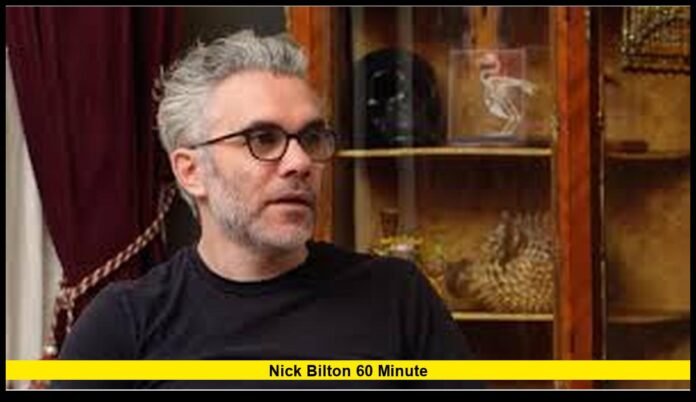

The story surrounding nick bilton 60 minutes has become one of the most significant media developments of the year, drawing attention from journalists, television executives, and millions of viewers across the United States. What started as a leadership transition at one of television’s most respected news magazines has evolved into a broader discussion about newsroom culture, editorial independence, digital transformation, and the future of broadcast journalism.
For decades, 60 Minutes has represented a gold standard in television reporting. The program built its reputation through investigative journalism, high-profile interviews, and in-depth storytelling that often shaped national conversations. Today, however, the show finds itself navigating one of the most challenging periods in its history as new leadership arrives amid internal tensions and widespread industry scrutiny.
The developments have generated intense interest because they involve not only the future of a legendary television program but also larger questions about how traditional news organizations adapt to a rapidly changing media environment.
A Historic Institution Faces a Turning Point
Since its launch in 1968, 60 Minutes has maintained a unique position in American journalism. While many television programs have come and gone, the CBS news magazine remained a dominant force across multiple generations.
The show’s success has been built on a simple formula: deeply reported stories, experienced correspondents, and a commitment to long-form journalism. Its investigations have exposed corruption, influenced public policy, and delivered some of the most memorable interviews in television history.
Even as audience habits shifted toward streaming services and digital platforms, 60 Minutes continued to attract millions of viewers. Few news programs have matched its longevity, ratings success, or cultural impact.
That history makes recent events particularly notable. Any significant change at 60 Minutes attracts attention because the program has long been viewed as one of the most trusted brands in broadcast news.
Who Is Nick Bilton?
Nick Bilton entered the public spotlight as a journalist covering technology and innovation. Over the years, he developed a reputation for reporting on Silicon Valley, social media companies, emerging technologies, and the ways digital platforms reshape society.
In addition to journalism, Bilton built a career as an author, filmmaker, and producer. His work frequently explored the intersection of technology, culture, business, and media.
Unlike many previous leaders associated with major television news programs, Bilton’s professional background did not primarily come from decades inside traditional broadcast newsrooms. That distinction became one of the most discussed aspects of his appointment.
Supporters viewed his experience as an advantage, arguing that modern media organizations need leaders who understand how audiences consume content across multiple platforms.
Critics questioned whether someone whose career was largely centered around technology and digital storytelling could successfully guide a historic television news institution with deeply rooted traditions.
The debate highlighted differing views about what leadership qualities are most important for journalism in the modern era.
Why CBS News Chose a Different Direction
The media landscape has changed dramatically over the past decade.
Television networks now compete not only with each other but also with streaming platforms, podcasts, social media channels, video-sharing sites, and countless digital publishers.
Audience behavior has evolved accordingly.
Many younger consumers no longer rely on traditional television schedules for news. Instead, they access information through smartphones, apps, streaming services, and social media feeds throughout the day.
Faced with those realities, media companies across the industry have sought new strategies for reaching audiences wherever they consume content.
CBS News appears to view innovation as a necessary part of remaining competitive in this environment.
By bringing in leadership with experience in technology and digital media, the network signaled a desire to modernize aspects of its operations while maintaining the journalistic standards that built the 60 Minutes brand.
That balancing act has become one of the central challenges facing the organization.
The Growing Tension Inside CBS News
Leadership changes rarely occur without some level of adjustment, but the developments surrounding 60 Minutes quickly attracted unusual attention.
Reports of disagreements, internal concerns, and differing visions for the future began circulating throughout the media industry.
Current and former employees expressed varying opinions about the direction of the organization.
Some welcomed the possibility of fresh ideas and modernization efforts.
Others worried that significant structural changes could alter the culture that helped make 60 Minutes successful for nearly six decades.
The resulting debate reflected a common challenge faced by many legacy institutions: how to embrace change without losing the qualities that originally made the organization valuable.
Within CBS News, those conversations reportedly intensified as leadership decisions affected staffing, workflow, and long-term planning.
Scott Pelley’s Role in the Discussion
Among the most recognizable figures connected to recent developments is veteran journalist Scott Pelley.
Pelley has spent decades building a reputation as one of the most respected correspondents in television news. His reporting has covered major global events, political developments, conflicts, and investigative projects that earned widespread recognition.
Because of his standing within the industry, his views carry considerable weight.
Recent reports indicated that Pelley became a central voice during internal discussions about the future of 60 Minutes. His concerns reportedly focused on preserving journalistic standards, maintaining editorial integrity, and protecting the values that have long defined the program.
The involvement of such a prominent journalist elevated public interest in the situation.
For many observers, the discussion represented more than a disagreement between individuals. It symbolized a larger debate about journalism’s future in an increasingly digital world.
The Importance of Editorial Independence
One reason the story has resonated so strongly is its connection to editorial independence.
Successful news organizations rely on credibility and trust. Viewers expect journalists to pursue stories based on public interest rather than external pressures.
Throughout its history, 60 Minutes earned respect for tackling difficult subjects and conducting investigations that sometimes challenged powerful institutions.
As leadership transitions occur, questions naturally arise regarding how editorial decisions will be made moving forward.
Industry observers closely watch these moments because they can influence perceptions of newsroom autonomy and journalistic integrity.
Many journalists argue that maintaining strong editorial independence remains essential regardless of changes in technology, leadership, or business strategy.
That belief continues to shape conversations surrounding the future of the program.
How Digital Media Is Changing Television Journalism
The challenges facing 60 Minutes mirror broader trends across the media industry.
Traditional television networks increasingly compete for attention in an environment dominated by digital content.
Consumers can now access breaking news, interviews, documentaries, and analysis from countless sources within seconds.
This shift has forced media organizations to rethink how they create and distribute content.
Many news companies have expanded their presence across streaming platforms, podcasts, mobile applications, and social media channels.
The goal is not simply reaching larger audiences but also connecting with younger viewers who may never develop traditional television viewing habits.
These realities help explain why leaders with experience in technology and digital storytelling are becoming more influential across major media organizations.
The challenge lies in adapting to new consumption habits without compromising journalistic quality.
Why Viewers Care About the Future of 60 Minutes
Unlike many corporate leadership stories, developments at 60 Minutes directly affect a program that millions of Americans watch regularly.
Viewers have developed long-standing relationships with the show’s correspondents, producers, and storytelling style.
Many people associate 60 Minutes with investigative reporting that goes beyond daily headlines.
Because of that connection, audiences pay close attention whenever significant changes occur behind the scenes.
Some viewers welcome modernization efforts that could make content more accessible across digital platforms.
Others worry that changes could alter the program’s identity.
These differing perspectives have fueled widespread discussion across television, journalism, and social media circles.
Nick Bilton 60 Minutes and the Future of Legacy Media
The conversation surrounding nick bilton 60 minutes reflects a larger transformation occurring throughout the media industry.
Many legacy organizations face similar questions.
How can established brands remain relevant to younger audiences?
How should traditional journalism adapt to digital platforms?
What role should technology play in shaping editorial strategy?
Can innovation coexist with long-standing newsroom values?
These questions extend far beyond CBS News.
Newspapers, magazines, radio organizations, and television networks all confront similar challenges as audience habits continue evolving.
The decisions made at 60 Minutes could serve as an important case study for other media organizations navigating comparable transitions.
Industry Experts Are Watching Closely
Media analysts continue monitoring developments because the outcome may influence broader industry trends.
If modernization efforts succeed while preserving the program’s reputation, other organizations could adopt similar approaches.
If significant challenges emerge, critics may argue that traditional news institutions should move more cautiously when implementing major leadership changes.
Either way, the situation provides valuable insight into how legacy media organizations manage transformation during periods of rapid technological change.
The coming months will likely offer a clearer picture of whether the current strategy achieves its intended goals.
What Comes Next for CBS News?
As CBS News prepares for future programming initiatives, attention remains focused on how the organization balances innovation with tradition.
The network faces multiple priorities.
It must maintain audience trust, support high-quality journalism, attract new viewers, and remain competitive in a crowded media marketplace.
At the same time, it must address concerns raised by employees, industry observers, and longtime viewers.
Successfully managing those responsibilities will require careful leadership and a clear vision for the future.
The stakes are particularly high because 60 Minutes remains one of the most recognizable and influential brands in American journalism.
Its future direction will likely shape conversations about media leadership for years to come.
A Defining Moment for Television Journalism
The ongoing developments at 60 Minutes represent more than a personnel story.
They highlight the challenges facing journalism as technology transforms how information is created, distributed, and consumed.
The program stands at an important crossroads.
Its leadership decisions, newsroom culture, and strategic direction will influence not only its own future but also broader discussions throughout the media industry.
Whether viewed as a necessary evolution or a controversial shift, the changes underway have already become one of the defining journalism stories of the year.
As audiences continue following developments, one thing remains clear: the future of 60 Minutes will be watched closely by viewers, journalists, and media executives across the country.
What do you think about the future of 60 Minutes and the changes taking place at CBS News? Share your thoughts and keep checking back for the latest developments.