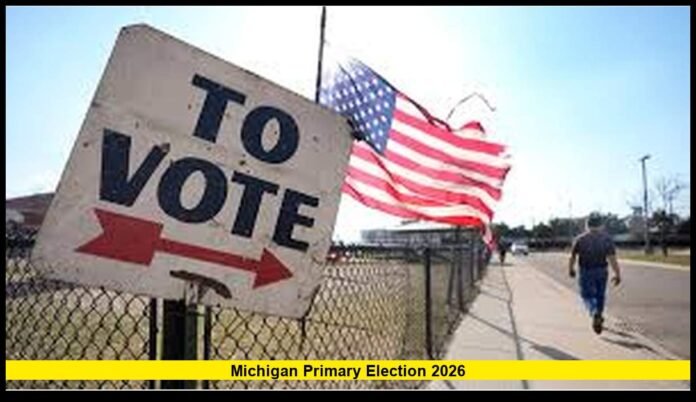

The michigan primary election 2026 is shaping up to be one of the most important statewide political contests in the country, with fierce battles emerging for governor, U.S. Senate, congressional seats, and legislative control. Political campaigns are accelerating across Michigan as candidates compete for support in a state that continues to play a major role in national elections.
Voters are already seeing intense campaign activity in Detroit, Grand Rapids, Lansing, Flint, Ann Arbor, and suburban communities where turnout could determine the outcome of several major races. With open seats, high-profile candidates, and massive fundraising operations underway, Michigan’s election season is drawing attention from political strategists across the nation.
The state’s August primary is expected to produce some of the most competitive matchups of the year, especially as Democrats and Republicans battle to secure support among independent and suburban voters.
Michigan residents following the latest developments can expect months of nonstop campaign ads, policy debates, rallies, and voter outreach efforts leading into Election Day.
Open Governor’s Race Creates Intense Competition
The race to replace term-limited Democratic Gov. Gretchen Whitmer has quickly become one of the most watched governor’s contests in America. Since Whitmer cannot run again, both parties are fighting to secure control of the governor’s office in a politically divided state.
Democratic candidates have already launched aggressive campaigns centered on economic development, healthcare access, education funding, and voting rights. Secretary of State Jocelyn Benson remains one of the most recognized names in the Democratic field due to her statewide profile and previous election leadership.
Flint-area Sheriff Chris Swanson has also gained attention with a campaign focused on public safety, bipartisan cooperation, and community-centered leadership. His law enforcement background has helped him connect with voters concerned about crime and emergency response issues.
Lieutenant Governor Garlin Gilchrist II continues building support among Democratic activists and community organizations as he highlights infrastructure investment, workforce development, and technology-driven economic growth.
On the Republican side, Congressman John James has emerged as a major contender with strong fundraising numbers and broad recognition among conservative voters. James, who has previously run statewide campaigns, is emphasizing economic issues, border security, and government accountability.
State Senate Republican leader Aric Nesbitt is also positioning himself as a leading conservative voice in the race. His campaign focuses heavily on taxes, energy policy, and reducing government regulation.
Former Michigan Attorney General Mike Cox remains another important Republican figure in the contest, bringing years of statewide political experience into the campaign.
The governor’s race became even more unpredictable after Detroit Mayor Mike Duggan announced an independent campaign. Duggan’s entry into the race could reshape voting patterns in metropolitan Detroit and suburban regions where independent voters often play a decisive role.
Political observers expect the gubernatorial contest to become one of the most expensive state races in the country as outside groups and national organizations continue investing heavily in Michigan.
Michigan Senate Race Draws National Spotlight
Senator Gary Peters announced he would not seek reelection, immediately creating one of the most competitive Senate races of the election cycle. The open seat attracted several high-profile Democratic and Republican candidates within weeks of Peters’ announcement.
Democratic Congresswoman Haley Stevens entered the race emphasizing manufacturing growth, labor protections, and economic investment. Stevens has highlighted Michigan’s role in the automotive industry and has campaigned heavily on protecting jobs connected to advanced manufacturing and electric vehicle production.
State Senator Mallory McMorrow also entered the Democratic primary and quickly gained national attention through strong grassroots fundraising and social media engagement. Her campaign centers on reproductive rights, education, and middle-class affordability concerns.
Former public health official Abdul El-Sayed joined the race with strong support from progressive activists. Healthcare affordability, prescription drug costs, and economic inequality remain central themes of his campaign.
Republicans see the Michigan Senate race as one of their best opportunities to gain a crucial Senate seat. Former Congressman Mike Rogers has become a leading Republican candidate and continues building statewide support through a campaign focused on national security, inflation, and economic growth.
The Senate race is expected to generate massive advertising spending across Michigan media markets throughout the summer and fall campaign season.
Why Michigan Continues to Shape National Elections
Michigan’s political importance has increased dramatically over the past decade because statewide elections are often decided by narrow margins.
The state remains one of the nation’s key battlegrounds, with both parties competing aggressively for suburban, union, rural, and independent voters. Election outcomes in Michigan frequently reflect broader national political trends, making the state a major focus during every election cycle.
Detroit continues to play a critical role in Democratic turnout operations, while Republicans maintain strong support in many rural regions and smaller communities throughout the state.
Suburban counties surrounding Detroit have become especially important because independent voters there often decide close statewide races. Campaigns are spending heavily in Oakland County, Macomb County, and Kent County as they attempt to persuade undecided voters.
Economic concerns remain the top issue for many Michigan residents. Rising housing costs, inflation pressures, wages, manufacturing jobs, and the future of the auto industry are shaping campaign messaging across both parties.
Candidates are also debating education policy, healthcare costs, energy production, infrastructure spending, and public safety as they compete for voter support.
Voting Rules and Election Timeline
Michigan’s primary election is scheduled for August 4, while the general election will take place on November 3.
State election officials are encouraging voters to verify registration information early because turnout is expected to increase significantly for the statewide races.
Michigan voters will once again have access to absentee voting and expanded early voting options following changes approved in recent election reforms.
Local election offices across the state are preparing for heavy participation levels as campaigns intensify voter outreach efforts.
Election administrators continue emphasizing ballot deadlines, absentee procedures, and voter education programs to ensure smooth election operations during the busy campaign season.
Campaign Spending Continues to Surge
Fundraising has become one of the defining features of Michigan’s election cycle.
Candidates running for governor and Senate have already raised millions of dollars through online donations, large fundraising events, and national political networks. Outside political organizations are also pouring substantial resources into advertising and voter mobilization efforts.
Television commercials, digital advertising campaigns, text messaging operations, and social media outreach have expanded rapidly across the state.
Political consultants believe campaign spending could break records because Michigan’s races are viewed as nationally significant contests with potential long-term consequences for both parties.
Candidates are also increasing direct voter contact through town halls, union meetings, community events, and campus appearances as they attempt to build momentum before the primary election.
Key Issues Driving Michigan Voters
Several major topics are dominating campaign conversations across Michigan.
Economy and Manufacturing
Economic growth remains the most important issue for many voters. Michigan’s automotive sector continues transitioning toward electric vehicle production, creating debates over jobs, energy policy, and manufacturing investment.
Candidates are presenting competing economic plans focused on job creation, small business growth, and workforce training programs.
Inflation and Cost of Living
Rising grocery prices, housing costs, and utility expenses continue affecting households across Michigan. Campaigns are responding with proposals related to taxes, wages, and affordability.
Both parties are attempting to position themselves as stronger economic stewards during a period of financial uncertainty for many families.
Public Safety
Crime and law enforcement remain central issues in many communities. Candidates are debating policing policies, violence prevention programs, and emergency response funding.
Public safety messaging has become especially important in suburban areas where campaigns are competing for moderate voters.
Healthcare
Healthcare affordability continues shaping voter priorities. Prescription drug costs, insurance access, and hospital funding remain frequent topics during campaign appearances and policy discussions.
Education
School funding, classroom performance, teacher recruitment, and college affordability are also major concerns among Michigan voters.
Candidates are proposing different approaches to improving educational outcomes while balancing state budget priorities.
Legislative Control Could Shift Again
In addition to statewide races, Michigan’s legislative elections are attracting growing attention because control of the state legislature could shift again after the election.
Competitive House and Senate districts across suburban and swing regions are expected to become major battlegrounds during the campaign season.
Party control in Lansing may influence future decisions involving taxes, labor laws, education policy, infrastructure spending, and environmental regulations.
Political strategists from both parties are targeting districts where independent voters could determine close races.
Independent Voters Hold Major Influence
One of the most important factors in the election may be the growing influence of independent voters.
Michigan elections are often decided by narrow margins, meaning campaigns must build support beyond traditional party bases. Independent and moderate voters could ultimately determine outcomes in both the governor’s race and Senate contest.
Candidates are increasingly adjusting campaign strategies to appeal to suburban voters concerned about economic stability, education quality, and public safety.
Political analysts expect voter turnout among younger residents and first-time voters to play a major role as well.
National Attention on Michigan Intensifies
As the election season progresses, national political organizations are expected to continue investing heavily in Michigan.
The combination of an open governor’s race and open Senate seat has created an unusually competitive environment that could influence national political momentum for years.
Campaign visits from major political figures are expected to increase as the August primary approaches. Michigan’s role as a political battleground means every major development could receive nationwide coverage.
The michigan primary election 2026 will likely serve as a major test for both parties as they attempt to build coalitions capable of winning statewide in one of America’s most competitive political states.
Voters across Michigan are preparing for months of intense campaigning, policy debates, and high-stakes political battles that could shape the state’s future well beyond Election Day.
What issue matters most to you in Michigan’s upcoming election season? Join the conversation and keep following the latest political developments across the state.