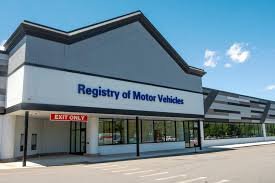

The massachusetts registry of motor vehicles is suddenly everywhere online—and not just in Massachusetts. From frustrated drivers to surprised first-time applicants, social media is lighting up with reactions, screenshots, and personal stories tied to recent changes, delays, and unexpected experiences. What began as a routine government service conversation has quickly turned into a viral topic grabbing nationwide attention.
In just a matter of days, posts about appointment issues, system updates, and long wait times have spread rapidly, pushing the RMV into trending territory. People aren’t just talking—they’re comparing experiences, sharing tips, and calling out what they believe needs to change.
If you’ve been seeing this topic pop up everywhere, you’re not alone—keep reading because the details behind the buzz are more surprising than you might think.
What Started the Conversation
It all kicked off when multiple users began posting about difficulties securing appointments and delays in processing essential services like license renewals and registrations. What made the situation viral wasn’t just the inconvenience—it was how many people shared similar experiences at the same time.
Screenshots of fully booked schedules and long wait times started circulating widely. Soon, more users chimed in, amplifying the issue and turning individual frustrations into a collective online moment.
What People First Noticed
The earliest posts focused on how quickly available slots were disappearing. Users reported logging in early, refreshing repeatedly, and still struggling to find appointments within a reasonable timeframe.
For many, the issue wasn’t just about inconvenience—it disrupted daily routines. Some drivers mentioned needing urgent renewals or documentation, only to find themselves stuck waiting longer than expected.
The consistency of these experiences is what made people stop scrolling and start paying attention.
Old Experiences Are Resurfacing
As the conversation grew, longtime residents began comparing current conditions to past RMV experiences. Some pointed out that similar complaints had surfaced before, while others argued that the situation feels more intense now.
Memories of long lines and complicated processes resurfaced, with users debating whether things have improved over time—or simply shifted online.
This mix of nostalgia and frustration added fuel to the viral discussion, bringing in voices from different age groups and backgrounds.
What Social Media Users Are Saying
Reactions online have ranged from humorous to outright critical.
Some users joked about needing “luck” to secure an appointment, while others shared detailed threads explaining their attempts and outcomes. A few even turned their experiences into step-by-step posts to help others navigate the system more effectively.
At the same time, there’s a noticeable tone of urgency in many comments. People aren’t just venting—they’re looking for solutions, updates, and reassurance that things will improve.
The conversation has also expanded beyond Massachusetts, with users from other states comparing their own motor vehicle systems.
What Officials Have Communicated
Amid the growing attention, updates from officials have focused on system demand and ongoing efforts to manage service flow. The emphasis has been on encouraging online services where possible and planning ahead for in-person visits.
There’s also been messaging around peak times and availability patterns, with reminders that certain days and hours may offer better chances of securing appointments.
While these updates provide some clarity, they’ve also sparked further discussion as users weigh their own experiences against official guidance.
Why These Situations Go Viral So Fast
Government services don’t usually trend—but when they affect daily life at scale, they can quickly dominate online conversations.
The RMV situation highlights a broader pattern: when a large number of people experience the same issue at once, social media becomes the amplifier. Shared frustration turns into viral content, especially when it’s tied to essential services like driving, identification, and registration.
There’s also a relatability factor. Almost everyone has dealt with a motor vehicle department at some point, making the topic instantly familiar—even for those outside Massachusetts.
The Role of Timing and Demand
Another key factor behind the surge in attention is timing. Seasonal demand, policy updates, and digital system reliance can all create spikes in traffic.
When those spikes align with real-life deadlines—like license renewals or vehicle registrations—the pressure intensifies. That’s when conversations move from isolated complaints to widespread online trends.
In this case, the overlap of high demand and shared experiences created the perfect conditions for virality.
What Happens Next
As the conversation continues, attention is likely to stay focused on how the situation evolves. Users are already watching for improvements, sharing updates, and comparing notes in real time.
For many, the next step isn’t just about getting an appointment—it’s about whether the system becomes more predictable and user-friendly.
The spotlight on the RMV could also influence how similar agencies across the country approach communication and service delivery moving forward.
The Bottom Line
What started as routine frustration has turned into a nationwide conversation, proving once again how quickly everyday experiences can become viral moments.
Whether you’re directly affected or just following the story, the buzz around the RMV shows no signs of slowing down.
What’s been your experience with motor vehicle services lately? Join the conversation and stay tuned for updates as this story continues to unfold.