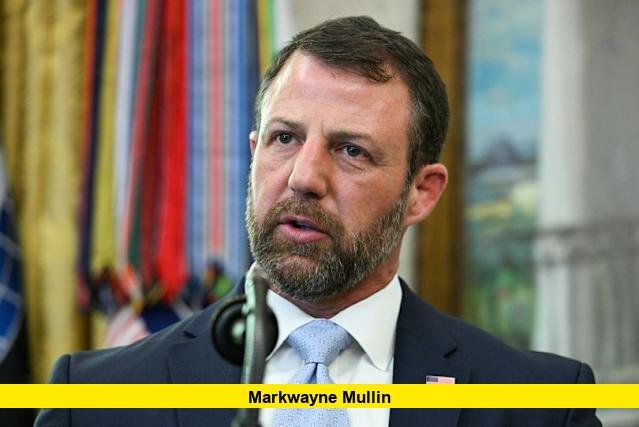

In a significant development rocking the Department of Homeland Security, Acting ICE Director Todd Lyons submits resignation letter to DHS Secretary Markwayne Mullin. The move comes amid ongoing efforts to strengthen immigration enforcement under the current administration. Lyons informed Mullin directly through the formal letter, signaling a leadership transition at a pivotal time for border operations.
The resignation letter outlines Lyons’ plan to remain in his role until May 31 to ensure a smooth handover. He cited personal reasons centered on family commitments as the primary driver for stepping down. Sources familiar with the document note that Lyons expressed gratitude for the opportunity to serve under President Donald Trump.
What does this leadership change mean for ongoing immigration priorities? Share your thoughts in the comments below.
Resignation Details Emerge
Acting ICE Director Todd Lyons submitted the letter on Thursday, April 16, 2026. He has committed to assisting with the transition process through the end of May. During his tenure, Lyons oversaw approximately 584,000 ICE deportations since President Trump took office in 2025. This figure underscores the scale of enforcement actions that defined his time leading the agency.
Lyons, who spent 20 years with ICE and previously served in U.S. Air Force special forces, described his service as a privilege. The letter highlights his desire to spend more time with his family, specifically noting that his sons are reaching a pivotal point in their lives. DHS Secretary Markwayne Mullin acknowledged the contribution, calling Lyons a great leader and wishing him success in the private sector.
Who is Markwayne Mullin
Markwayne Mullin is the ninth Secretary of the Department of Homeland Security. He assumed the role following Senate confirmation in late March 2026 after a bipartisan vote. Before joining the Cabinet, Mullin served as a U.S. Senator from Oklahoma and earlier as a member of the U.S. House of Representatives representing Oklahoma’s Second District. A successful businessman, rancher, and family man, he brings years of legislative experience and a track record of supporting strong national security measures to the position.
Context of the Leadership Transition
The resignation arrives just weeks after Mullin settled into his new responsibilities at DHS. Confirmed on March 24, 2026, Mullin took the oath of office shortly thereafter in a White House ceremony. His early focus has included reviewing department operations and advancing key immigration initiatives. Lyons’ departure marks one of the first major personnel shifts under Mullin’s watch, highlighting the fast-paced nature of federal agency leadership.
ICE plays a central role in enforcing federal immigration laws, managing detention facilities, and coordinating removals. As acting director, Lyons steered the agency through intense periods of heightened enforcement activity. His decision to step aside does not appear tied to any policy dispute, based on statements from both parties. Instead, it reflects a personal choice to prioritize family after years of demanding public service.
Lyons’ Record at ICE
Throughout his leadership, Lyons emphasized operational efficiency and mission focus. The deportation numbers reflect sustained activity across the southern border and interior enforcement operations. ICE agents under his direction carried out thousands of actions weekly, targeting individuals with criminal records or those unlawfully present. This work aligned directly with broader administration goals for border security and public safety.
Lyons’ background in special forces informed his approach to high-stakes operations. He brought tactical expertise to complex logistical challenges within ICE. Colleagues describe him as a steady hand during periods of intense scrutiny from lawmakers and the public. His willingness to stay through May demonstrates commitment to continuity, giving Mullin time to identify and onboard a permanent successor.
Mullin’s Role and Early Priorities at DHS
As DHS Secretary, Markwayne Mullin oversees a vast department responsible for everything from border protection to cybersecurity and disaster response. His Senate and House experience equipped him with deep knowledge of appropriations, oversight, and bipartisan negotiation. Mullin has already begun implementing changes to contracting and detention practices, aiming for greater efficiency across the agency.
Mullin’s public statement on the resignation struck a positive tone. He praised Lyons’ leadership and focused on future opportunities rather than dwelling on the departure. This approach signals stability within DHS leadership ranks. Observers note that Mullin’s Oklahoma roots and business background shape his pragmatic style in managing large federal bureaucracies.
Broader Implications for Immigration Enforcement
The timing of the resignation coincides with continued emphasis on interior enforcement and border measures. With Lyons guiding operations until late May, the agency maintains momentum on current priorities. The 584,000 deportation figure since 2025 illustrates the scope of work already accomplished under the Trump administration’s directives. Transition periods like this often involve temporary adjustments but rarely disrupt core functions when planned thoughtfully.
DHS coordinates closely with ICE on policy execution. Mullin’s confirmation process earlier this year emphasized his support for robust enforcement strategies. His prior legislative work on national security issues positioned him well for the Cabinet post. The department continues to navigate funding challenges and operational demands that affect millions of Americans daily.
What the Resignation Means Moving Forward
Federal officials confirmed the letter’s contents through multiple channels on Thursday. Lyons will not depart immediately, allowing time for knowledge transfer and operational stability. This structured exit provides Mullin breathing room to evaluate candidates for the permanent ICE director position. Such transitions are standard in executive agencies and help preserve institutional knowledge.
The private sector opportunity mentioned by Mullin reflects Lyons’ extensive experience in law enforcement and operations. Many former ICE leaders pursue roles in security consulting or related fields after government service. Lyons’ Air Force and ICE tenure give him a unique skill set valued across both public and private sectors.
Ongoing Developments at DHS
Mullin assumed leadership at a moment when DHS faced multiple priorities, including immigration, homeland security threats, and administrative reforms. His bipartisan confirmation vote of 54-45 demonstrated cross-aisle recognition of his qualifications. As a former small-business owner and rancher, Mullin often highlights practical solutions over bureaucratic hurdles.
The resignation does not alter current enforcement directives. ICE operations continue uninterrupted while Lyons fulfills his commitment through May 31. Department spokespeople have not issued additional public statements beyond Mullin’s remarks, keeping focus on the transition rather than speculation.
This story continues to develop as more details emerge about potential successors and long-term plans. Federal agencies like ICE and DHS routinely experience leadership changes that test resilience and adaptability. Lyons’ service leaves a measurable impact through the deportation statistics and operational improvements achieved during his acting tenure.
Final Thoughts on the Transition
Leadership changes at this level remind Americans of the dedicated professionals who serve in these demanding roles. Lyons’ family-focused decision resonates with many who balance public service and personal life. Mullin’s steady response reinforces confidence in DHS continuity during this period.
What are your thoughts on this major shift at ICE and how it might shape future enforcement efforts? Share your perspectives in the comments and stay updated on the latest developments.