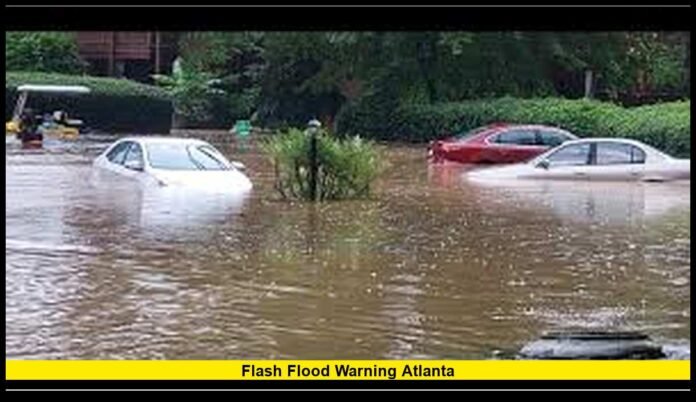

Flash flood warning Atlanta alerts remain in focus across Georgia as powerful storms continue dumping heavy rain over metro neighborhoods, highways, and flood-prone communities. Emergency crews are monitoring roads, drainage systems, and rising waterways after several rounds of intense thunderstorms moved across the region.
The latest severe weather outbreak brought torrential rainfall, dangerous driving conditions, strong wind gusts, and localized flooding to many parts of Atlanta and nearby counties. Forecasters warned residents to remain alert as additional storms could produce more flooding in areas already saturated from earlier rainfall.
Many neighborhoods across north and central Georgia saw rapid water buildup during overnight storms. Streets, intersections, underpasses, and low-lying roads quickly became hazardous as rain fell faster than drainage systems could handle it.
Officials across the metro area urged drivers to avoid flooded roads and remain cautious during periods of heavy rain. Emergency responders continued receiving reports of stalled vehicles, standing water, and traffic disruptions throughout the storm event.
Heavy Rain Soaks Metro Atlanta
Atlanta faced another round of widespread rain as thunderstorms repeatedly tracked across the same areas. Meteorologists warned that this pattern significantly increased the threat of flash flooding because the ground could no longer absorb additional moisture efficiently.
Rainfall totals varied across the region, but some communities received several inches within only a few hours. In urban areas packed with pavement and concrete, water rushed quickly into streets and storm drains.
Flood-prone roads experienced the worst conditions during peak rainfall periods. Water collected rapidly near underpasses, interstate ramps, and poorly drained intersections.
Areas throughout Fulton, DeKalb, Cobb, Gwinnett, Douglas, Cherokee, and Clayton counties remained under heightened flood concerns as storms intensified overnight.
Residents in parts of Midtown Atlanta, Downtown Atlanta, Decatur, Druid Hills, and nearby neighborhoods reported ponding water on streets and dangerous visibility during the heaviest rainfall.
Why Flash Flooding Happens Quickly in Atlanta
Atlanta’s geography creates ideal conditions for sudden urban flooding during severe weather events. The city contains steep hills, dense development, busy highways, and extensive paved surfaces that prevent rainwater from soaking into the soil.
When strong thunderstorms release large amounts of rain in a short period, water flows rapidly downhill into streets, drainage channels, and smaller creeks.
Several factors increase flood risks across metro Atlanta:
- Large paved surfaces
- Hilly terrain
- Crowded drainage systems
- Fast-moving thunderstorms
- Repeated rounds of rainfall
- Overflowing creeks and streams
Even neighborhoods that rarely experience flooding can become dangerous during unusually intense storms.
Meteorologists warned that training thunderstorms — storms repeatedly moving across the same area — created especially dangerous conditions during the latest weather outbreak.
Overnight Storms Increase Danger
The most intense storms moved across parts of north Georgia overnight, creating additional risks for residents who may not have received warnings immediately.
Heavy rain combined with lightning and strong winds made travel especially hazardous during late-night and early-morning hours.
Emergency management officials encouraged residents to keep emergency alerts activated on mobile devices throughout the storm period. Many local agencies also advised families to prepare backup charging options in case of power outages.
Flooding becomes more dangerous at night because drivers cannot easily judge water depth on roads. Darkness also makes it harder to see debris, stalled vehicles, or washed-out pavement.
Officials repeatedly reminded residents not to drive through flooded streets under any circumstances.
Dangerous Roads Across Metro Georgia
Transportation officials monitored conditions closely as heavy rain affected highways and major city streets across the Atlanta region.
Standing water developed quickly on several roads during the heaviest downpours. Interstate ramps, low intersections, and older drainage areas experienced the highest risk for flooding.
Traffic delays spread throughout portions of metro Atlanta as drivers reduced speeds during intense rainfall.
Floodwater on roads creates several dangers:
| Hazard | Risk |
|---|---|
| Hydroplaning | Loss of vehicle control |
| Hidden potholes | Tire and suspension damage |
| Fast-moving water | Vehicle displacement |
| Reduced visibility | Increased crash risk |
| Washed debris | Road blockages |
| Flooded underpasses | Entrapment danger |
Officials stressed that only a small amount of moving water can carry vehicles off the roadway.
Emergency responders across the region continued monitoring trouble spots where flooding commonly develops after major storms.
Storm Drains and Creeks Under Pressure
Watershed crews across Atlanta worked to manage drainage systems as rainfall intensified.
Storm drains filled rapidly during peak downpours, especially in older neighborhoods with limited runoff capacity. Debris such as leaves, branches, and trash further restricted water flow in some locations.
Smaller creeks and streams also rose quickly after repeated rounds of rain. Water levels near creek-adjacent neighborhoods became a concern as runoff accelerated through urban drainage channels.
City officials encouraged residents to avoid walking near swollen creeks or flood channels because water currents can strengthen suddenly during storms.
Even shallow floodwater may contain dangerous debris, bacteria, or hidden hazards.
Strong Winds Add to Severe Weather Threat
The latest storms brought more than flooding concerns. Meteorologists also tracked damaging wind potential across parts of metro Atlanta.
Strong wind gusts combined with saturated ground conditions increased the likelihood of falling trees and downed power lines.
Tree crews and utility workers prepared for emergency response operations as severe weather intensified.
Neighborhoods with older trees faced elevated risks because soaked soil weakens root systems during prolonged rain events.
Residents reported scattered power outages in several areas as storms moved across the region overnight.
Officials reminded the public to avoid any downed power lines and report hazardous conditions immediately.
Flash Flood Warning Atlanta Alerts Raise Public Safety Concerns
The flash flood warning Atlanta situation prompted widespread safety messaging from emergency officials throughout Georgia.
Public safety agencies encouraged residents to remain indoors during the strongest storms and avoid unnecessary travel.
Officials emphasized several key flood safety rules:
- Never drive through flooded roads
- Avoid walking in moving water
- Monitor weather alerts continuously
- Keep emergency supplies nearby
- Stay away from drainage canals
- Charge mobile devices before storms
- Prepare for sudden power outages
Emergency management teams also urged residents living near creeks or flood-prone roads to stay alert for changing conditions overnight.
Floodwaters can rise within minutes during severe thunderstorms.
Read More – Flash Flood Warning
Metro Atlanta’s History With Flash Flooding
Atlanta has experienced multiple significant flooding events over the years due to intense thunderstorms and tropical weather systems.
Urban flooding remains one of the city’s most frequent weather threats because of rapid development and aging drainage infrastructure in certain areas.
During severe weather outbreaks, roads often flood before rivers or larger waterways rise significantly. This creates sudden hazards that develop much faster than traditional river flooding.
Weather experts noted that many flood-related emergencies in Georgia involve vehicles trapped in standing water.
Because of Atlanta’s traffic congestion and dense road network, even isolated flooding can quickly disrupt travel across large portions of the metro area.
Residents Urged to Prepare Before Storms Arrive
Emergency officials continue encouraging Atlanta residents to take flood preparation seriously during active weather periods.
Simple precautions can reduce risks significantly before storms arrive.
Recommended Storm Preparation Checklist
- Keep flashlights ready
- Charge phones and backup batteries
- Secure outdoor furniture
- Avoid parking in flood-prone areas
- Monitor weather radar frequently
- Keep emergency contacts accessible
- Prepare basic emergency supplies
Families living near low-lying areas should pay close attention to local alerts during heavy rainfall events.
Officials also encouraged residents to check on elderly neighbors and people with mobility challenges during severe weather emergencies.
Flooding Creates Travel Problems for Commuters
Morning commuters across Atlanta encountered difficult conditions after overnight storms moved through the region.
Heavy rain reduced visibility while standing water slowed traffic across several major corridors.
Drivers faced long delays in some areas due to flooded lanes, stalled vehicles, and weather-related accidents.
Public transportation services also monitored changing weather conditions closely during the storm event.
Meteorologists warned that roads may remain hazardous even after rainfall weakens because water can continue collecting in low spots.
Officials advised drivers to allow extra travel time and avoid rushing during severe weather conditions.
Power Outages Remain a Concern
Flood-producing thunderstorms frequently trigger scattered power outages across metro Atlanta.
Strong winds and falling tree limbs damaged electrical lines in several communities during the latest storms.
Utility companies staged repair crews throughout north Georgia ahead of the severe weather outbreak in anticipation of increased emergency calls.
Residents prepared for possible outages by charging devices, gathering batteries, and keeping flashlights nearby.
Officials reminded residents never to enter flooded areas containing electrical equipment or damaged power lines.
Wet ground and standing water increase the danger of electrical hazards during severe storms.
Weather Pattern Continues Across Georgia
Forecasters expect additional rain chances to remain possible across parts of Georgia as unstable weather conditions continue across the Southeast.
Even after the strongest storms move away, saturated ground conditions may increase flooding risks during future rainfall events.
Meteorologists continue tracking moisture levels, thunderstorm development, and shifting weather patterns that could affect metro Atlanta over the coming days.
Spring and early summer weather in Georgia often produces rapidly changing storm conditions, especially when humid air combines with incoming weather systems from the west.
Residents across north Georgia are encouraged to remain weather aware as forecasts continue evolving.
Flash Flooding Remains One of America’s Deadliest Weather Hazards
Flash flooding causes significant weather-related fatalities across the United States every year.
Unlike hurricanes or winter storms that develop over longer periods, flash floods can form with little warning during severe thunderstorms.
Urban areas such as Atlanta face especially high risks because pavement and development accelerate runoff into streets and drainage systems.
Public safety experts stress that awareness and early action remain the best defenses during flash flooding emergencies.
Officials continue repeating a simple message to residents throughout metro Atlanta: never underestimate the danger of moving water.
Even a flooded street that appears shallow can become life-threatening within seconds.
Communities Continue Monitoring Conditions
Emergency crews, transportation departments, and weather officials across metro Atlanta continue monitoring changing conditions as additional rain remains possible.
Residents are being urged to stay informed through weather alerts and local emergency notifications while severe weather risks remain active.
Flood-prone neighborhoods, busy commuter corridors, and low-lying roads remain under close observation as the region deals with ongoing storm impacts.
The latest round of severe weather once again highlighted how quickly conditions can change across Atlanta during periods of heavy rain.
Residents across metro Atlanta are encouraged to stay alert, avoid flooded roads, and continue monitoring weather conditions as storms move through the region.