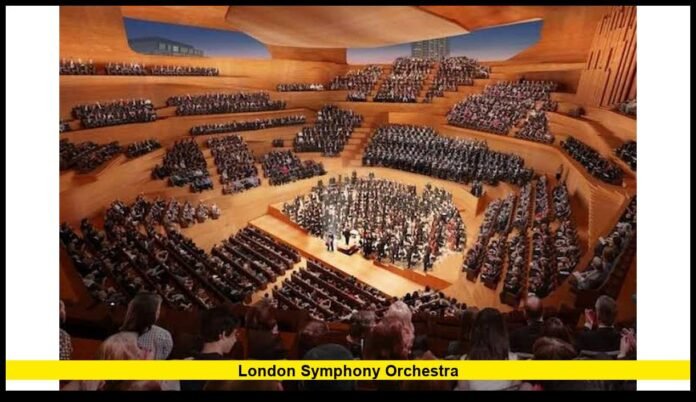

The london symphony orchestra has earned worldwide recognition as one of the leading orchestral ensembles, celebrated for its powerful performances, artistic innovation, and remarkable contribution to classical music. For more than a century, the orchestra has represented the highest standards of musicianship while continuing to evolve with changing audiences and musical trends.
Based in one of the world’s most important cultural cities, the London Symphony Orchestra has created a lasting legacy through unforgettable concerts, acclaimed recordings, educational initiatives, and collaborations with some of the greatest artists in music history. Its journey reflects the growth of modern orchestral performance and the continuing importance of live classical music.
Introduction to the London Symphony Orchestra
The London Symphony Orchestra was established in 1904 by a group of musicians who wanted to create an independent ensemble with greater artistic freedom. At the time, this approach represented a new direction in orchestral organization and allowed musicians to have a stronger role in shaping performances.
Since its creation, the orchestra has become one of the most admired names in the classical music world. It has performed a vast collection of masterpieces from composers across different eras, including works by Ludwig van Beethoven, Gustav Mahler, Pyotr Tchaikovsky, Igor Stravinsky, and many others.
The orchestra performs regularly at the Barbican Centre in London, its long-time artistic home. Its programs include traditional symphonies, modern compositions, special collaborations, and projects that introduce orchestral music to broader audiences.
The Early Years and Historical Development
The formation of the London Symphony Orchestra came during a period of significant change in British musical culture. Musicians were seeking more independence from traditional management structures, leading to the creation of an orchestra built around cooperation and artistic decision-making.
The ensemble quickly developed a reputation for excellence and attracted attention from audiences and conductors throughout Europe. Its early performances helped establish its identity as an orchestra capable of delivering both technical precision and emotional interpretation.
Throughout the decades, the orchestra has successfully adapted to the changing landscape of classical music. While respecting traditional works, it has consistently embraced new ideas, contemporary composers, and innovative approaches to performance.
Key achievements throughout its history include:
- Establishing itself as one of the world’s most respected orchestras.
- Performing major works from multiple musical periods.
- Building an extensive collection of recordings.
- Supporting music education and community engagement programs.
Leadership and Artistic Direction
The artistic identity of the London Symphony Orchestra has been shaped by many influential conductors and musicians. Each leader has brought unique perspectives, helping the orchestra develop a distinctive sound and approach to interpretation.
Conductors have played an important role in guiding musical choices, selecting ambitious programs, and encouraging collaboration between performers. Their creative partnerships with the orchestra have contributed to memorable performances and internationally recognized recordings.
The orchestra’s ability to balance tradition with artistic exploration has been one of its greatest strengths. It continues to honor classical masterpieces while creating opportunities for new compositions and emerging talent.
The London Symphony Orchestra in Modern Classical Music
Today, the London Symphony Orchestra remains an important part of the global classical music landscape. Its performances attract audiences from around the world, and its recordings allow listeners to experience its artistry beyond the concert hall.
The orchestra’s modern repertoire covers a wide range of musical styles, including:
- Classical and romantic symphonies.
- Contemporary orchestral compositions.
- Large-scale musical collaborations.
- Film and media-related performances.
The LSO has demonstrated that orchestral music can continue to grow and reach new audiences. By combining traditional concert experiences with modern projects, the orchestra has maintained its relevance in an increasingly diverse entertainment environment.
Recordings and Contribution to Popular Culture
Recording has played a major role in the orchestra’s international reputation. The London Symphony Orchestra has produced numerous recordings featuring some of the most important works in the classical repertoire.
The orchestra is also recognized for its connection to film music. Its musicians have contributed to recordings that introduced orchestral sounds to millions of listeners worldwide. These projects helped create a bridge between classical performance and modern entertainment.
Through these efforts, the orchestra has shown that symphonic music can appeal to both dedicated classical audiences and people discovering orchestral music for the first time.
Education and Support for Future Musicians
Beyond performances, the London Symphony Orchestra places strong importance on education and community involvement. Its programs aim to encourage musical creativity and make orchestral experiences accessible to people of different backgrounds and ages.
The orchestra works to inspire young musicians by providing learning opportunities, creative projects, and ways for communities to engage with professional performers.
These efforts help ensure that classical music continues to develop and remain meaningful for future generations.
International Reputation and Audience Interest
The global appeal of the London Symphony Orchestra comes from its combination of heritage, creativity, and artistic quality. Audiences continue to follow the orchestra because of its ability to deliver powerful interpretations of familiar works while introducing new musical experiences.
Its reputation has grown through international performances, collaborations, and recordings. The orchestra represents London’s position as a major global center for arts and culture.
Many music followers are interested in the orchestra’s:
- Upcoming concert programs.
- Collaborations with leading artists.
- New recordings and special projects.
- Performances featuring celebrated conductors and musicians.
The orchestra’s continued activity keeps it at the forefront of discussions about the future of classical music.
Latest Developments and Current Activities
The London Symphony Orchestra continues to expand its artistic work through performances, recordings, and creative partnerships. Its current activities reflect a commitment to maintaining the traditions of orchestral music while exploring new ways to connect with audiences.
Recent programming has included major symphonic works, modern compositions, and collaborations designed to highlight different aspects of musical creativity.
While the orchestra regularly announces new projects and performances, not every future collaboration or event is confirmed far in advance. Official announcements remain the best way to follow its latest activities.
The orchestra continues to focus on:
- Presenting world-class live performances.
- Encouraging new musical talent.
- Creating opportunities for wider audience participation.
- Exploring innovative approaches to orchestral music.
Why the London Symphony Orchestra Continues to Matter
The importance of the London Symphony Orchestra goes beyond its concert performances. It represents a connection between musical history and future innovation.
Its musicians combine exceptional technical ability with artistic expression, allowing the orchestra to deliver performances that remain meaningful across generations. This dedication has helped the organization maintain its position as one of the most influential orchestras worldwide.
At a time when audiences have countless entertainment options, the orchestra continues to prove that live music can create unique emotional experiences that cannot be easily replicated.
Final Thoughts
The London Symphony Orchestra stands as a symbol of artistic excellence, creativity, and musical tradition. From its founding more than a century ago to its modern role as an international cultural institution, the orchestra has continued to inspire audiences around the world.
Through performances, recordings, education, and collaboration, it remains a powerful voice in classical music. Its ability to respect its history while embracing new opportunities ensures that its influence will continue for generations.
What is your favorite experience with orchestral music? Share your thoughts in the comments and follow along for more updates from the world of classical music.