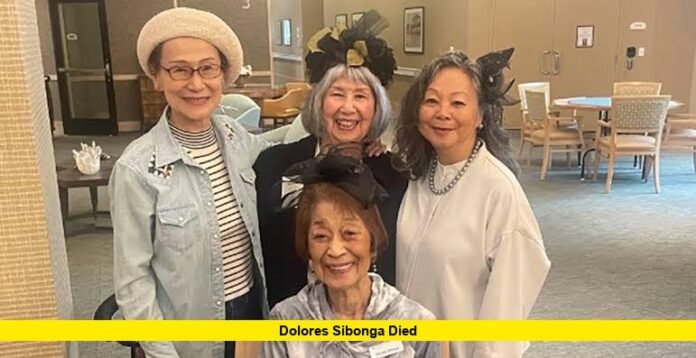

Dolores Sibonga died on September 16, 2026, at the age of 95, leaving behind a legacy as a groundbreaking Filipino American lawyer, Seattle City Council member, journalist, and civil rights advocate. Her passing was recognized by Seattle leaders, who honored her decades of work advancing representation, equality, and community leadership.
Sibonga became one of Seattle’s most influential Filipino American figures through a lifetime of public service and advocacy. She broke barriers in Washington state law, local government, and community journalism while helping create opportunities for women and people of color in leadership roles.
Dolores Sibonga’s Death and Latest Updates
Dolores Dasalla Sibonga passed away on September 16, 2026, at 95 years old. News of her death was followed by tributes from Seattle officials and community leaders who highlighted her impact on the city’s history.
Seattle City Council leaders described Sibonga as a trailblazer whose career represented decades of commitment to public service and community representation. She was remembered for opening doors for future generations of Filipino Americans, women, and other underrepresented communities.
Details about the cause of death were not immediately released. Funeral and memorial arrangements were also not publicly available at the time of reporting.
Who Was Dolores Sibonga?
Dolores Sibonga was a Seattle-born Filipino American leader whose career crossed several fields, including journalism, law, politics, and civil rights advocacy.
Born Dolores Dasalla Estigoy in 1931, she grew up in Seattle’s Chinatown-International District, where her family operated the Estigoy Café. Her early experiences in the Filipino community shaped her commitment to cultural identity, social justice, and public involvement.
She attended the University of Washington and earned a journalism degree in 1952. Her education helped launch a career in media before she later moved into law and government service.
Dolores Sibonga’s Historic Legal Career
One of Sibonga’s most significant achievements came in 1973 when she became the first Filipino American admitted to the Washington State Bar Association. Her achievement represented a major milestone for Filipino Americans seeking careers in law and public service.
After earning her law degree from the University of Washington, Sibonga worked in legal and government roles. She served as a public defender, legislative analyst, and human rights official during her professional career.
Her legal work reflected her broader commitment to civil rights and equal representation. She used her experience in law to support communities that historically faced barriers in politics, government, and professional fields.
Dolores Sibonga’s Seattle City Council Legacy
In 1978, Sibonga made history when she was appointed to the Seattle City Council, becoming the first woman of color to serve on the council. She later won election and remained on the council until 1992.
During her time in office, Sibonga worked on issues involving civil rights, labor, community development, and government accountability. Her council career lasted more than a decade and established her as one of Seattle’s most recognizable public figures.
Some of the major milestones connected to her public service include:
| Year | Achievement |
|---|---|
| 1952 | Graduated from the University of Washington with a journalism degree |
| 1973 | Became the first Filipino American admitted to the Washington State Bar Association |
| 1978 | Became the first woman of color to serve on the Seattle City Council |
| 1979–1992 | Served as an elected Seattle City Council member |
| Later years | Continued public service through commissions and community leadership |
Her Role in Filipino American Community Leadership
Beyond government, Sibonga played an important role in strengthening Filipino American representation in Seattle.
She and her husband, Martin Sibonga, were involved with the Filipino Forum, a publication that highlighted issues affecting Filipino Americans and other communities. The publication focused on civic engagement, social issues, and community voices.
Her leadership helped preserve the history and contributions of Filipino Americans in the Pacific Northwest. Many community members viewed her as a mentor who encouraged younger generations to participate in public service.
Dolores Sibonga’s Impact on Civil Rights and Representation
Throughout her career, Sibonga focused on expanding opportunities for communities that had often been excluded from positions of influence.
As a city council member, she supported efforts connected to civil rights and fairness in government. Her work included advocacy for communities affected by discrimination and efforts to recognize historical injustices.
Her career also demonstrated the importance of representation in leadership. By becoming the first woman of color on Seattle’s City Council, she created a pathway for future leaders from diverse backgrounds.
Recognition and Honors Before Her Passing
Before her death, Sibonga received recognition for her contributions to Seattle and the Filipino American community.
In 2023, she received a Lifetime Achievement Award recognizing her decades of leadership and service. She was also honored by Washington state officials for her historic accomplishments and dedication to public service.
In 2026, community and government leaders continued recognizing her influence as a pioneering figure whose work shaped Seattle’s civic landscape.
Dolores Sibonga’s Family and Continuing Legacy
Sibonga’s legacy continues through her family, colleagues, and the many community members influenced by her work.
She was remembered not only for her professional achievements but also for mentoring young leaders and supporting civic participation. Her story remains connected to Seattle’s broader history of immigrant communities, women’s leadership, and Filipino American contributions.
Her journey from Seattle’s Chinatown-International District to the city’s highest levels of public leadership became an example of perseverance and community dedication.
Why Dolores Sibonga’s Story Matters Today
Dolores Sibonga’s life reflected major changes in Seattle’s political and social landscape. Her achievements came during a period when women and people of color faced significant challenges entering positions of authority.
Her career showed how legal expertise, journalism, and public service could work together to strengthen communities. The milestones she achieved continue to be remembered as important moments in Filipino American history in Washington state.
Dolores Sibonga died after a lifetime dedicated to breaking barriers and creating opportunities for others. Her contributions to Seattle, Filipino American communities, and public service will remain part of the city’s history.
Share your thoughts about Dolores Sibonga’s remarkable journey and stay updated on more stories honoring influential community leaders.