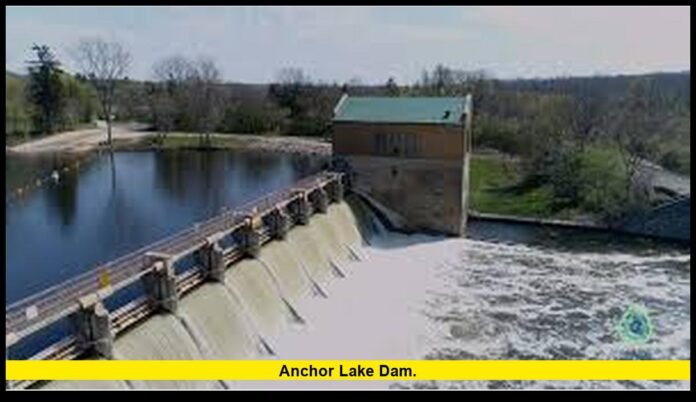

Anchor Lake Dam continues to draw attention in 2026 as ongoing infrastructure work, safety monitoring, and long-term maintenance efforts remain important topics for residents and property owners around the Mississippi lake community. The dam remains operational, and current improvement projects are aimed at strengthening reliability, supporting regulatory compliance, and preserving the future of one of Pearl River County’s well-known residential and recreational destinations.
For many homeowners, the dam is more than a piece of infrastructure. It helps maintain lake levels, supports recreational activities, and contributes to the overall appeal of the Anchor Lake community. Because of its importance, any updates involving inspections, repairs, or operational improvements often attract significant interest from local residents.
As communities across the United States continue addressing aging infrastructure, the work taking place at Anchor Lake reflects a broader effort to maintain critical water management systems before major problems develop.
Why Anchor Lake Dam Matters
Located in Pearl River County, Mississippi, Anchor Lake Dam serves the lake community that surrounds Anchor Lake. The structure plays a central role in maintaining water levels and supporting the recreational environment that attracts boaters, anglers, and residents throughout the year.
The lake has long been recognized as a destination for outdoor activities. Waterfront properties, fishing opportunities, and boating access make it a valuable asset for local residents.
Without proper dam operations, maintaining consistent water levels would become far more difficult. That is why regular inspections and maintenance are considered essential components of managing the lake’s future.
The dam’s function extends beyond recreation. It also supports nearby property values and helps preserve the character of the community.
Current Status in 2026
As of 2026, Anchor Lake Dam remains in operation while infrastructure improvements continue.
Recent project activity has focused on compliance-related work and spillway improvements. These efforts are designed to improve long-term performance and help ensure the facility continues meeting modern safety expectations.
Infrastructure upgrades are common at dams throughout the country. Many structures were originally built decades ago and require periodic modernization as engineering standards evolve.
The work underway at Anchor Lake follows that pattern.
Rather than responding to an emergency situation, officials have focused on preventive measures intended to strengthen the structure and support future reliability.
This approach has become increasingly common nationwide as dam owners seek to address maintenance needs before they become larger concerns.
Understanding Dam Safety Classifications
One topic that often creates confusion is the difference between a dam’s condition and its hazard classification.
Many people assume that a higher hazard classification means a dam is unsafe. In reality, the designation often refers to potential consequences if a failure were ever to occur.
A dam can receive a high hazard potential classification because homes, roads, or populated areas exist downstream.
The classification does not necessarily reflect current structural performance.
Engineers evaluate separate factors when determining a dam’s condition. These include:
- Structural integrity
- Spillway performance
- Embankment stability
- Seepage conditions
- Erosion risks
- Maintenance requirements
Understanding this distinction helps residents better interpret inspection findings and infrastructure reports.
The Importance of Spillway Improvements
One of the most significant aspects of the current project involves spillway-related work.
A spillway serves as a controlled outlet that allows excess water to pass safely through or around a dam during periods of increased inflow.
Heavy rainfall can cause lake levels to rise quickly. Without adequate spillway capacity, water pressure against the structure increases.
Modern engineering standards often require dam owners to evaluate whether older spillways can effectively handle severe weather events.
Because rainfall patterns and watershed conditions can change over time, spillway improvements have become a common feature of dam rehabilitation projects nationwide.
At Anchor Lake, these upgrades are intended to support long-term operational performance while helping the facility meet applicable requirements.
How Dam Inspections Protect Communities
Routine inspections remain one of the most important tools used to maintain dam safety.
Engineering teams conduct detailed evaluations to identify potential concerns before they develop into serious issues.
During inspections, specialists typically examine:
Embankments
The earthen portions of a dam require regular monitoring. Engineers look for erosion, settlement, and other signs of wear.
Water Control Structures
Gates, outlets, and drainage systems must function properly under a variety of operating conditions.
Spillways
Inspectors review spillway capacity, structural condition, and overall performance.
Vegetation Growth
Excess vegetation can sometimes conceal maintenance issues or interfere with inspection activities.
Seepage Monitoring
Small amounts of seepage can occur naturally. Engineers evaluate water movement patterns to ensure conditions remain acceptable.
These evaluations provide valuable information that guides maintenance planning and future improvements.
Aging Infrastructure Across America
The situation at Anchor Lake reflects a challenge facing communities throughout the United States.
Many dams currently in operation were built decades ago.
Although these structures continue serving important purposes, age alone increases the need for regular maintenance and rehabilitation.
National infrastructure assessments have highlighted the growing importance of dam modernization.
Several factors contribute to this need:
- Aging construction materials
- Changing weather patterns
- Updated engineering standards
- Increased downstream development
- Long-term wear and tear
As a result, many dam owners are investing in projects that improve resilience and extend operational lifespans.
Anchor Lake’s ongoing improvements fit within this larger national trend.
Benefits for Residents and Property Owners
Residents often view dam maintenance projects through the lens of daily life.
Lake conditions affect recreation, aesthetics, and property ownership experiences.
Stable water levels contribute to:
- Boating opportunities
- Fishing access
- Shoreline preservation
- Waterfront enjoyment
- Community appeal
Infrastructure investments can also provide confidence that long-term maintenance needs are being addressed.
Property owners generally recognize that preventive maintenance today can help avoid larger expenses in the future.
For lake communities, preserving the health of both the waterbody and supporting infrastructure remains a shared priority.
Economic Impact of the Lake Community
Anchor Lake contributes to the local economy in several ways.
Residential development around the lake supports property values and tax revenues.
Visitors and residents also spend money on recreational activities and services connected to lake life.
Economic benefits associated with lake communities often include:
- Real estate activity
- Outdoor recreation spending
- Local business support
- Tourism-related purchases
- Property improvement investments
Because of these factors, maintaining infrastructure such as Anchor Lake Dam carries importance beyond engineering considerations alone.
A well-maintained lake environment helps support economic activity throughout the surrounding area.
Weather and Water Management
Weather remains one of the most important variables affecting dam operations.
Periods of heavy rainfall can significantly increase water inflow into a lake system.
Operators must monitor changing conditions and manage water levels appropriately.
Key considerations include:
| Water Management Factor | Importance |
|---|---|
| Rainfall | Influences lake inflow |
| Runoff | Affects water volume entering the lake |
| Spillway Capacity | Helps manage excess water |
| Lake Elevation | Guides operational decisions |
| Seasonal Conditions | Impacts long-term planning |
Effective water management requires ongoing monitoring and planning throughout the year.
Modern engineering practices increasingly incorporate updated hydrological data to better understand future challenges.
Long-Term Planning for Future Generations
Infrastructure projects often focus on decades rather than months.
When engineers evaluate dams, they consider how structures will perform under future conditions.
Long-term planning may involve:
- Structural improvements
- Spillway enhancements
- Monitoring systems
- Inspection programs
- Maintenance schedules
These efforts help ensure communities can continue benefiting from important infrastructure assets.
At Anchor Lake, current projects are part of a broader commitment to maintaining reliable operations well into the future.
Community Interest Remains Strong
Lake residents continue following project developments closely.
Community interest is understandable given the important role the dam plays in everyday life around the lake.
Questions often focus on:
- Repair progress
- Water levels
- Recreational access
- Property impacts
- Long-term safety
Ongoing communication helps residents stay informed about project milestones and operational updates.
As work progresses, many homeowners view the improvements as a necessary investment in the future of the community.
Why Preventive Maintenance Matters
Preventive maintenance remains one of the most effective strategies for managing infrastructure.
Addressing issues early often reduces costs and minimizes future disruptions.
For dams, proactive maintenance can include:
- Surface repairs
- Drainage improvements
- Vegetation management
- Structural evaluations
- Spillway upgrades
Waiting until significant deterioration occurs can make repairs more complicated and expensive.
That reality has encouraged many dam owners across the country to invest in modernization efforts before major concerns develop.
Anchor Lake’s ongoing work reflects this practical approach.
Looking Ahead
Anchor Lake Dam remains an important part of the Pearl River County community in 2026. Ongoing improvements demonstrate a commitment to maintaining safe and reliable operations while supporting the recreational and residential benefits that make the lake such a valued destination.
The focus on infrastructure modernization, spillway enhancements, and long-term maintenance highlights the importance of proactive planning. As projects continue moving forward, residents will likely remain engaged in updates involving repairs, inspections, and operational improvements.
For homeowners, boaters, anglers, and visitors, the future of the lake remains closely connected to the continued care and maintenance of the dam that helps sustain it. Investments being made today are intended to support the community for many years to come while preserving one of Mississippi’s established lake environments.
What are your thoughts on the future of Anchor Lake Dam and the ongoing improvement efforts? Share your perspective and follow future developments as work continues across the lake community.