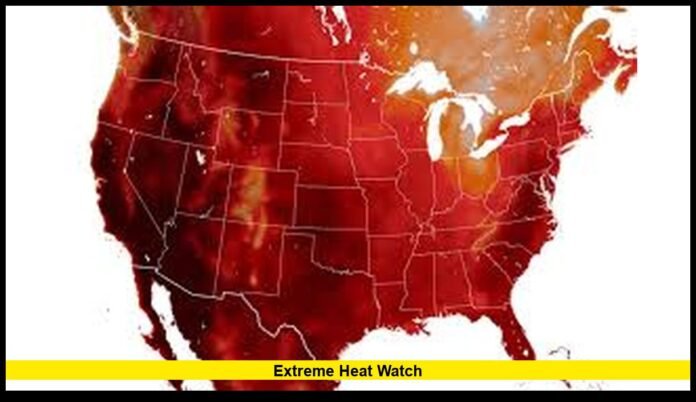

Extreme heat watch alerts are drawing attention across several parts of the United States as forecasters warn that dangerous temperatures and oppressive humidity could create life-threatening conditions for millions of Americans. As summer officially approaches, communities from the South to the Midwest and parts of the East are preparing for prolonged periods of intense heat that may push heat index values well above 100 degrees Fahrenheit.
Weather officials continue monitoring conditions as a strong ridge of high pressure settles across large portions of the country. This weather pattern allows hot air to remain trapped near the surface, creating an environment where temperatures can rise rapidly and stay elevated for days. Combined with high humidity levels, the situation increases the risk of heat-related illnesses and places additional stress on power grids, transportation systems, and public health resources.
What an Extreme Heat Watch Means
An extreme heat watch serves as an early warning that unusually dangerous heat conditions could develop within the coming days. Unlike an advisory or warning, a watch indicates that meteorologists have identified favorable conditions for extreme heat but are still assessing the exact timing and severity.
The purpose of a watch is to give residents, businesses, emergency managers, schools, and healthcare providers time to prepare before temperatures reach dangerous levels.
Heat events often develop quickly. Once an extreme heat warning is issued, residents may have limited time to make adjustments. That is why officials encourage people to take a watch seriously and begin planning immediately.
Major Heat Dome Driving Temperatures Higher
The current heat pattern is being fueled by a large area of high atmospheric pressure often referred to as a heat dome.
A heat dome develops when warm air becomes trapped beneath a persistent high-pressure system. As sunlight continues heating the ground, the trapped air grows hotter, allowing temperatures to increase day after day.
This setup can create several problems:
- Consecutive days of extreme temperatures
- Elevated overnight temperatures
- Increased humidity
- Reduced relief after sunset
- Higher risk of heat exhaustion and heat stroke
Many areas experiencing an extreme heat watch are expected to see temperatures remain well above seasonal averages for an extended period.
Southern States Facing the Greatest Risk
The southern United States remains one of the most vulnerable regions during significant heat events.
Texas continues to experience some of the hottest conditions in the nation. Afternoon temperatures in several locations have climbed into the upper 90s and low 100s, while humidity has pushed heat index values significantly higher.
In parts of South Texas, residents have already experienced conditions that feel several degrees hotter than actual air temperatures. Cities across the region are increasing public awareness efforts and encouraging residents to avoid unnecessary outdoor activity during peak afternoon hours.
The Gulf Coast is also facing dangerous conditions. High moisture levels from the Gulf create a situation where sweat evaporates more slowly, reducing the body’s natural ability to cool itself.
This combination of heat and humidity can become dangerous much faster than dry heat alone.
Midwest Communities Prepare for Prolonged Heat
The Midwest is also experiencing a notable increase in temperatures.
Several states are seeing conditions more typical of July or August rather than mid-June. Meteorologists have highlighted the possibility of extended periods of heat affecting major population centers throughout the region.
Cities across Missouri, Illinois, Kansas, Iowa, and neighboring states are monitoring forecasts closely. Public health officials remain particularly concerned about vulnerable populations, including senior citizens and individuals with existing medical conditions.
Unlike brief heat spikes that last a day or two, prolonged heat events often have a greater impact because the human body receives little opportunity to recover.
When nighttime temperatures remain elevated, people without access to reliable air conditioning face increased health risks.
Eastern U.S. Also Feeling the Effects
Heat is not limited to the central and southern portions of the country.
Forecasters expect warmer-than-normal temperatures to spread into parts of the East Coast as the weather pattern evolves. Large metropolitan areas could experience several days of uncomfortable heat combined with high humidity.
Urban environments often experience what experts call the “urban heat island” effect.
Concrete, asphalt, and buildings absorb heat throughout the day and release it slowly overnight. As a result, city neighborhoods frequently remain warmer than surrounding rural areas.
This effect can increase heat exposure for millions of residents, particularly those living in densely populated communities.
Why Heat Index Values Matter
Many people pay attention only to air temperature. However, the heat index often provides a more accurate picture of actual danger.
The heat index combines temperature and humidity to estimate how hot conditions feel to the human body.
For example:
| Air Temperature | Humidity Level | Feels Like Temperature |
|---|---|---|
| 95°F | Moderate | Around 100°F |
| 98°F | High | 105°F to 110°F |
| 100°F | Very High | Above 110°F |
Humidity prevents sweat from evaporating efficiently.
Since evaporation is the body’s primary cooling mechanism, high humidity makes it much harder to regulate internal temperature.
As a result, even temperatures below 100°F can become dangerous when moisture levels are elevated.
Health Risks Increase During Heat Emergencies
Extreme heat remains one of the deadliest weather-related hazards in the United States.
Many heat-related illnesses develop gradually. Early symptoms may seem minor but can worsen rapidly if not addressed.
Common warning signs include:
- Excessive sweating
- Dizziness
- Weakness
- Muscle cramps
- Headaches
- Nausea
- Fatigue
If these symptoms appear, immediate cooling and hydration become critical.
More serious conditions such as heat stroke require emergency medical attention. Warning signs include confusion, altered mental status, loss of consciousness, and dangerously high body temperature.
Heat stroke can damage organs and become fatal if treatment is delayed.
Children and Older Adults Face Higher Risks
Certain groups remain especially vulnerable during an extreme heat watch.
Young children often struggle to regulate body temperature efficiently. They may not recognize the symptoms of overheating or communicate discomfort effectively.
Older adults also face elevated risks. Many age-related factors can reduce the body’s ability to adapt to extreme temperatures.
Individuals taking medications for heart disease, blood pressure issues, or chronic illnesses should also exercise caution during periods of extreme heat.
Caregivers are encouraged to check regularly on family members, neighbors, and friends who may need assistance.
Outdoor Workers Confront Dangerous Conditions
Millions of Americans work outdoors every day.
Construction workers, landscapers, utility crews, agricultural employees, delivery personnel, and first responders often face the greatest exposure during heat emergencies.
Extended exposure to direct sunlight significantly increases the likelihood of heat-related illness.
Employers across affected regions are implementing additional safety measures such as:
- More frequent hydration breaks
- Earlier work schedules
- Access to shaded rest areas
- Heat safety training
- Emergency response plans
These precautions can help reduce workplace injuries and medical emergencies during severe heat events.
Read More – Extreme Heat Warning Spreads Across the U.S. as Dangerous Temperatures Grip Multiple States
Cooling Centers Become Essential Resources
Many cities and counties open cooling centers when temperatures reach dangerous levels.
These facilities provide residents with access to air-conditioned environments during the hottest parts of the day.
Libraries, community centers, senior centers, schools, and recreation facilities often serve as temporary cooling locations.
Local officials encourage residents who lack reliable air conditioning to identify nearby cooling centers before temperatures peak.
Transportation assistance may also be available in some communities.
Power Demand Surges During Heat Waves
Extreme temperatures often lead to increased electricity usage.
Air conditioners, fans, refrigeration systems, and cooling equipment operate continuously as residents attempt to stay comfortable.
As demand rises, power grids can experience additional stress.
Utility providers frequently encourage consumers to conserve energy during peak demand periods by:
- Adjusting thermostat settings
- Limiting use of major appliances
- Closing blinds and curtains
- Turning off unnecessary electronics
These actions can help maintain grid reliability while reducing electricity costs.
Protecting Pets During Extreme Heat
Animals are also vulnerable to dangerous temperatures.
Dogs, cats, and other pets can experience heat-related illnesses quickly, especially when left outdoors without adequate shade and water.
Pet owners should take several precautions:
- Provide constant access to fresh water
- Limit outdoor activity during afternoon hours
- Walk pets early in the morning or after sunset
- Ensure shaded areas remain available
- Never leave pets inside parked vehicles
Vehicle temperatures can rise dramatically within minutes, even when outside temperatures appear manageable.
Heat Safety Tips Every Household Should Follow
Preparing before temperatures reach dangerous levels can help prevent emergencies.
Experts recommend the following steps:
- Drink water regularly.
- Avoid excessive alcohol consumption.
- Wear lightweight clothing.
- Stay indoors during peak heat hours.
- Use air conditioning whenever possible.
- Take cool showers if needed.
- Monitor weather alerts frequently.
- Check on elderly relatives and neighbors.
- Keep emergency supplies available.
- Recognize signs of heat illness.
Simple precautions often make a significant difference during prolonged heat events.
Economic Impact of Extreme Heat
Heat waves affect more than public health.
Businesses, transportation networks, and infrastructure systems frequently experience disruptions during periods of extreme heat.
Road surfaces can deteriorate under prolonged high temperatures. Rail systems may require operational adjustments. Construction projects can face delays due to worker safety concerns.
Agriculture also faces challenges.
Extended heat can increase irrigation demand, stress livestock, and impact crop development in some regions.
As temperatures rise, communities often face higher cooling costs and increased energy consumption.
How Climate Patterns Influence Heat Events
Scientists continue studying the factors that contribute to increasing heat risks across the United States.
Recent years have brought numerous examples of record-breaking temperatures affecting large portions of the country.
Warmer background temperatures can increase the likelihood of extreme heat events and extend their duration.
As a result, emergency planners and public health agencies are placing greater emphasis on heat preparedness strategies designed to protect communities before temperatures become dangerous.
What Americans Should Expect in the Coming Days
Forecast models suggest that many areas currently under heat alerts will continue experiencing above-average temperatures.
Additional watches, advisories, and warnings may be issued as weather conditions evolve.
Residents should remain attentive to local forecasts and prepare for rapidly changing conditions.
The most important step remains early preparation. Waiting until temperatures reach dangerous levels can limit available options and increase health risks.
Communities across the nation are already taking action to address the challenges posed by intense summer heat, and residents can play a key role by staying informed, staying hydrated, and taking heat safety seriously.
As temperatures continue climbing across the country, share your local conditions and keep checking for the latest updates on this extreme heat watch situation.