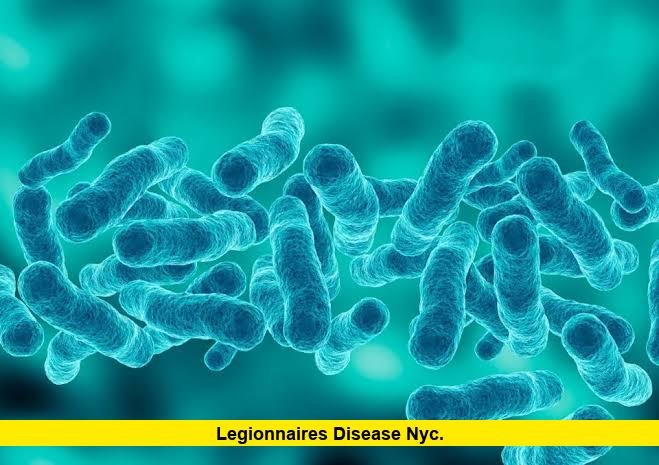

New York City health officials are closely monitoring an expanding outbreak of legionnaires disease NYC residents are being urged to take seriously, as the number of confirmed cases on the Upper East Side has climbed to 14. The New York City Health Department first identified the cluster on July 2 with just two confirmed cases in the Carnegie Hill and Yorkville neighborhoods. Within days, that number grew rapidly, prompting city officials to expand both the investigation zone and public health warnings across multiple ZIP codes.
What Is Legionnaires’ Disease
Legionnaires’ disease is a severe form of pneumonia caused by the bacterium Legionella. People become infected by breathing in tiny water droplets that contain the bacteria, often released from sources such as rooftop cooling towers, hot tubs, decorative fountains, and large air-conditioning systems used in bigger buildings. Importantly, the disease is not contagious, meaning it cannot spread from person to person through casual contact. It also cannot be contracted through drinking water, cooking, showering, or running a home air conditioner, a point city officials have repeatedly emphasized to prevent unnecessary panic among residents.
Symptoms typically include fever, chills, muscle aches, and a persistent cough. Some people also experience headaches, fatigue, loss of appetite, confusion, or diarrhea. Because these symptoms overlap with the flu or common respiratory illnesses, health officials are urging anyone in the affected area to take even mild symptoms seriously and seek medical attention promptly.
How the Upper East Side Cluster Developed
The timeline of this outbreak illustrates how quickly a Legionnaires’ cluster can grow once it takes hold in a densely populated urban environment. On July 2, the NYC Health Department announced it was investigating a likely community cluster in Carnegie Hill and Yorkville, based on two confirmed diagnoses. By July 3, the count had risen to 10 confirmed cases within ZIP codes 10028 and 10128. Just a day later, on July 4, NYC Health Commissioner Dr. Alister Martin announced that the total had increased to 14 confirmed cases, with the investigation zone expanding to include ZIP code 10075 as well.
Officials also issued an added precaution for anyone who visited the east side of Central Park between East 76th and East 97th Street since late June, advising them to monitor for flu-like symptoms even if they don’t live or work in the immediate cluster area. This expanded advisory reflects how seriously the department is treating the potential for airborne exposure to spread beyond a single building or block.
Investigation Into the Source
As of the most recent update, the exact source of the Legionella bacteria fueling this outbreak has not been officially confirmed. The Health Department has been actively sampling and testing water from cooling tower systems throughout the affected area, since rooftop cooling towers are a well-documented source of past Legionnaires’ outbreaks in New York City. Officials have stated clearly that this cluster is not connected to any building’s plumbing system, meaning residents in the affected ZIP codes can continue to safely drink tap water, cook, shower, and use their home air conditioning units without concern.
Any building found to have a cooling tower testing positive for Legionella will be required to undergo full remediation. This process typically involves disinfecting and flushing the system to eliminate bacterial contamination and prevent further exposure. Because there is no official confirmation yet of a single definitive source, health officials continue to test multiple locations rather than pointing to one building or system.
Public Health Response and Guidance
Dr. Martin credited the department’s epidemiologists, water ecologists, and community health workers for identifying the cluster early and mobilizing quickly, even setting aside holiday plans over the Fourth of July weekend to respond. In a public statement, he noted that the cluster was caught when there were only two confirmed cases, allowing the city to act swiftly as additional cases emerged.
New York City Mayor Zohran Mamdani also addressed the outbreak publicly, reinforcing that it is not linked to building plumbing or air conditioning and encouraging residents to seek medical care immediately if symptoms appear. Health officials have outlined who should be especially cautious, including:
- Adults age 50 and older
- Current or former smokers
- Individuals with chronic lung disease
- People who are immunocompromised
These groups face a higher risk of severe complications if infected, and officials are urging them to seek care at the very first sign of flu-like symptoms rather than waiting to see if symptoms improve on their own.
Treatment and Outlook
There is currently no vaccine available to prevent Legionnaires’ disease, but the illness can be effectively treated with antibiotics, particularly when diagnosed early. Health officials have stressed that most people recover fully with prompt treatment, which is why early symptom recognition and quick medical attention remain the most important tools in reducing serious outcomes. As of the latest update, no deaths have been reported in connection with this specific Upper East Side cluster, a detail city officials have highlighted as a sign that early detection efforts are working.
Anyone experiencing symptoms who lives, works, or has recently visited the affected area is encouraged to contact a healthcare provider immediately. For residents who need help locating a provider regardless of insurance or immigration status, the city has made resources available through 311 or the dedicated health line at 844-NYC-4NYC.
Comparing This Cluster to Past NYC Outbreaks
This is not the first time Legionnaires’ disease has made headlines in New York City. Last summer, a much larger and more severe outbreak struck Central Harlem, ultimately sickening more than 100 people and resulting in seven deaths, with cooling towers tied to a hospital and a nearby construction site identified as the source. That outbreak served as a stark reminder of how dangerous Legionella contamination can become when it goes undetected for an extended period.
By contrast, city officials are pointing to the current Upper East Side situation as an example of early intervention, having identified the cluster when only two cases had been confirmed rather than waiting until dozens of people were affected. Whether that early action will be enough to prevent the outbreak from mirroring last year’s more severe Harlem cluster remains to be seen, and health officials have acknowledged there is more work ahead as testing continues.
Final Thoughts
The situation surrounding legionnaires disease NYC health officials are tracking on the Upper East Side remains an evolving one, with the case count already rising from two to 14 within a matter of days. While there is no official confirmation yet of the exact source, the city’s swift testing of cooling towers throughout Carnegie Hill, Yorkville, and the broader 10075, 10028, and 10128 ZIP codes reflects an aggressive effort to contain the cluster before it grows further. Residents and visitors to the area should stay alert to flu-like symptoms, understand that tap water and air conditioning remain safe to use, and seek medical care without delay if concerning symptoms develop.
Stay informed and share your thoughts in the comments as this developing situation continues to unfold.