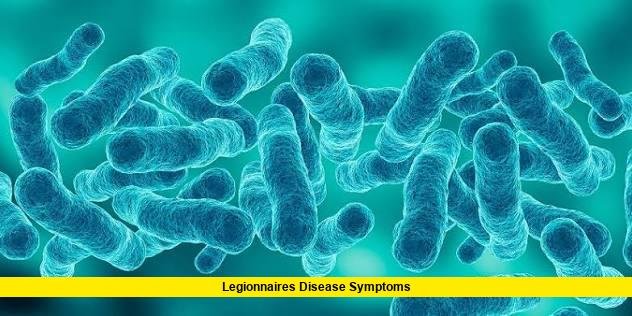

Recognizing Legionnaires disease symptoms early can make the difference between a full recovery and a life-threatening medical emergency. This severe form of pneumonia, caused by Legionella bacteria, often mimics the flu or common respiratory infections in its early stages, which is exactly why so many cases go unnoticed until the illness has already progressed. With new clusters of infection continuing to surface in major cities, understanding how this disease develops, who is most vulnerable, and what warning signs demand immediate medical attention has never been more important.
What Is Legionnaires Disease?
Legionnaires disease is a serious lung infection caused by Legionella bacteria, most commonly Legionella pneumophila. The bacteria occur naturally in freshwater environments such as lakes and streams, but they become dangerous when they multiply in human-made water systems, including cooling towers, hot tubs, decorative fountains, humidifiers, and large plumbing networks in hotels, hospitals, and apartment buildings. People typically become infected by inhaling small water droplets, or mist, that contain the bacteria. In rarer cases, infection can occur when contaminated water is accidentally aspirated into the lungs while drinking.
It is important to note that Legionnaires disease is not contagious. It cannot spread from person to person, which distinguishes it from many other respiratory illnesses. The disease takes its name from a 1976 outbreak at an American Legion convention in Philadelphia, where the bacteria were first identified as the cause of a mysterious pneumonia outbreak that sickened over 180 people.
Legionella bacteria can also cause a much milder illness called Pontiac fever, which resembles a short-lived flu without pneumonia and typically resolves on its own within a few days. Legionnaires disease, by contrast, is far more serious and requires prompt medical treatment.
Early Legionnaires Disease Symptoms
One of the biggest challenges with this illness is that its earliest symptoms closely resemble other common respiratory infections. According to health authorities, symptoms usually begin two to fourteen days after exposure to the bacteria, though in some documented cases the incubation period has stretched even longer. Early Legionnaires disease symptoms often include:
- High fever, sometimes reaching 104°F (40°C) or higher
- Chills
- Headache
- Muscle aches and fatigue
- Loss of appetite
These initial signs can easily be mistaken for a seasonal flu, which is one reason the illness is frequently underdiagnosed. By the second or third day, more specific respiratory symptoms tend to emerge, including:
- A persistent cough, which may produce mucus or, in some cases, blood
- Shortness of breath
- Chest pain, particularly when breathing or coughing
Because these symptoms overlap so heavily with other types of pneumonia, a chest X-ray alone cannot confirm Legionnaires disease. Specific laboratory tests, including urine antigen testing and bacterial cultures from sputum samples, are needed to distinguish it from other respiratory infections.
Beyond the Lungs: Additional Warning Signs
While Legionnaires disease primarily affects the lungs, it can also produce symptoms outside the respiratory system that catch both patients and clinicians off guard. Gastrointestinal and neurological symptoms are common and can include:
- Nausea and vomiting
- Diarrhea
- Confusion or disorientation
- Loss of coordination
This combination of pneumonia-like symptoms alongside digestive or cognitive changes is often described by clinicians as a key clue that separates Legionnaires disease from typical community-acquired pneumonia. In rare instances, Legionella bacteria can spread beyond the lungs entirely, causing infections in the heart, wounds, or other tissues, though this is uncommon and generally occurs in patients with significant underlying health conditions.
Anyone experiencing flu-like symptoms combined with confusion, severe diarrhea, or worsening shortness of breath should seek medical attention promptly rather than assuming they simply have a cold or seasonal virus.
Who Is Most at Risk
Not everyone exposed to Legionella bacteria becomes sick. In fact, most healthy people who breathe in the bacteria never develop symptoms at all. However, certain groups face a substantially higher risk of developing Legionnaires disease and experiencing severe complications:
- Adults aged 50 and older
- Current or former smokers
- People with chronic lung conditions, such as COPD or emphysema
- Individuals with weakened immune systems, including those with HIV/AIDS, cancer, or organ transplants
- People with diabetes, kidney disease, or liver disease
- Patients who have recently stayed in a hospital or long-term care facility
Healthcare facilities and nursing homes are considered higher-risk environments because their water systems can harbor bacteria and because residents often already have compromised immune function. Anyone in these higher-risk categories who develops even mild respiratory symptoms after possible exposure should not delay seeking care.
Diagnosis and Treatment
Diagnosing Legionnaires disease requires more than a physical exam. Physicians typically begin with a chest X-ray or CT scan to confirm the presence of pneumonia, followed by specific laboratory testing to identify Legionella as the cause. Urine antigen tests are commonly used because they provide relatively fast results, although they primarily detect the most common strain of the bacteria and may miss other, rarer subtypes. Bacterial cultures from respiratory samples remain the gold standard for confirming diagnosis and can also help public health officials trace an infection back to its environmental source during an outbreak investigation.
Once diagnosed, Legionnaires disease is treated with targeted antibiotics, typically from the macrolide or fluoroquinolone classes, since standard antibiotics used for other bacterial infections are often ineffective against Legionella. Early treatment significantly improves outcomes and reduces the risk of complications. Delayed diagnosis, on the other hand, increases the likelihood of severe illness, including respiratory failure, septic shock, and kidney injury. Roughly one in three patients with confirmed Legionnaires disease require intensive care, and mortality rates vary widely depending on how quickly treatment begins and the patient’s overall health, with some estimates placing fatality rates between 4 and 40 percent in severe cases, and roughly one in ten cases overall proving fatal.
Recent Outbreaks and Why Awareness Matters
Legionnaires disease tends to spike during the warmer months, often described by clinicians as “summer pneumonia,” because Legionella bacteria thrive in warm, stagnant water, and cooling towers used in large air conditioning systems become more active during the summer and early autumn. Outbreaks in major cities have repeatedly demonstrated how quickly clusters can form when a contaminated water source, such as a rooftop cooling tower, goes undetected.
New York City has faced this reality more than once in recent years. A large community cluster in Central Harlem previously sickened over 100 people and resulted in multiple deaths after Legionella bacteria were traced to cooling towers linked to a local hospital and a nearby construction site. That investigation led city health officials to propose stricter testing and maintenance rules for cooling tower systems.
More recently, health officials have been monitoring a newly emerging cluster on Manhattan’s Upper East Side, concentrated in the Carnegie Hill and Yorkville neighborhoods, with confirmed case counts continuing to climb through the early days of July. Health authorities have emphasized that this cluster is not linked to residential plumbing, meaning residents in the affected area can continue to safely drink tap water, shower, cook, and run air conditioners as normal, while cooling towers in the area undergo testing. Anyone who lives, works, or has recently visited the affected zip codes and develops flu-like symptoms is being urged to contact a healthcare provider promptly, particularly those in higher-risk groups.
These recurring clusters underscore an important point: while Legionnaires disease is relatively rare on a national scale, it remains significantly underdiagnosed and underreported, in part because its symptoms so often mimic other illnesses. Public health experts continue to stress that greater awareness among both patients and clinicians is one of the most effective tools for catching cases early and preventing small clusters from growing into larger outbreaks.
Prevention Tips for Homes and Buildings
Because Legionella bacteria thrive in warm, stagnant water, reducing risk largely comes down to proper water system maintenance. Building owners and managers play a central role in prevention through several key practices:
- Regularly testing and disinfecting cooling towers and evaporative condensers
- Maintaining hot water heaters at recommended temperatures to inhibit bacterial growth
- Flushing infrequently used plumbing lines, faucets, and showerheads
- Properly maintaining hot tubs, whirlpools, and decorative fountains
For individuals, simple precautions can also reduce personal risk, such as avoiding hot tubs or fountains that appear poorly maintained and ensuring home humidifiers and water-based appliances are cleaned according to manufacturer instructions. It’s worth noting that window air conditioning units do not use water for cooling and have not been linked to Legionella transmission, so they do not carry the same risk as large centralized cooling systems.
Final Thoughts
Legionnaires disease symptoms often begin subtly, resembling nothing more than a bad case of the flu, but the illness can escalate quickly into a severe and sometimes fatal form of pneumonia if left untreated. Recognizing the early warning signs, understanding personal risk factors, and seeking prompt medical attention when symptoms arise are the most effective tools available for protecting yourself and your loved ones. As outbreaks continue to surface periodically in dense urban environments, staying informed about local health advisories and practicing basic water system awareness remains one of the simplest ways to reduce risk.
If you found this information helpful, share it with someone who should know the warning signs, and check back for the latest updates on Legionnaires disease outbreaks and public health guidance.