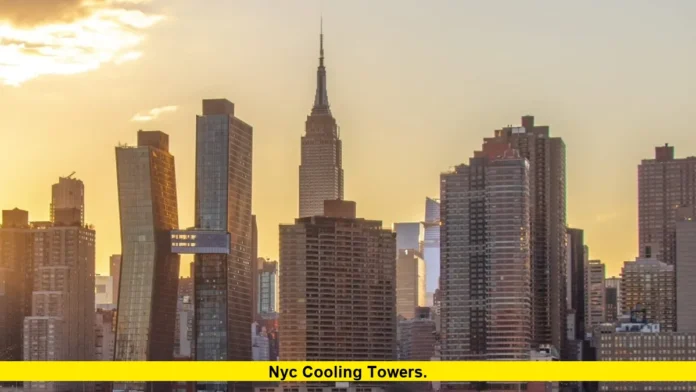

New York City’s health department is once again focused on the city’s rooftop cooling towers after a cluster of Legionnaires’ disease emerged in two Upper East Side neighborhoods this week. The situation has put a spotlight on nyc cooling towers, the mechanical systems that sit atop many of the city’s largest buildings and, when poorly maintained, can become breeding grounds for the bacteria that cause this serious respiratory illness. As testing continues across the affected area, city officials are urging residents and visitors to stay alert to symptoms while reassuring the public that everyday activities like drinking tap water and running air conditioners remain safe.
What Happened on the Upper East Side
The New York City Health Department confirmed it is investigating a cluster of Legionnaires’ disease centered in the Carnegie Hill and Yorkville neighborhoods, covering ZIP codes 10028 and 10128. The first two confirmed cases were announced earlier in the week, but by the following night, the total had climbed to ten confirmed cases, all concentrated in that same stretch of the Upper East Side. Health officials noted that additional test results were still pending as they worked to determine whether more residents had been affected.
Fortunately, no deaths have been linked to this cluster so far. That is a notable contrast to some past outbreaks in the city, and health officials say the relatively fast identification of the cluster helped them move quickly to begin testing and containment efforts. Because the city typically waits for three or more linked cases before formally declaring a cluster, the rapid escalation from two to ten cases prompted an accelerated response from investigators.
The Link Between Legionnaires’ Disease and Cooling Towers
Legionnaires’ disease is a severe form of pneumonia caused by Legionella bacteria, which thrive in warm water systems. People do not catch the illness from another person; instead, they become infected by inhaling water vapor or mist that contains the bacteria. This is where nyc cooling towers come into the picture. These large, cylindrical structures often mounted on rooftops are used to cool buildings by evaporating water, and if the water inside is not properly treated and monitored, Legionella can multiply and be released into the air through the mist the towers generate.
Health investigators have identified a cooling tower atop a building in the affected area as the likely source of the current cluster, and crews are now testing water samples from every cooling tower in the neighborhood. Any tower found to test positive for Legionella will require the building owner to carry out full remediation before it can be used again. This process typically involves disinfecting the water system, flushing out contaminated water, and implementing more rigorous ongoing monitoring.
It’s worth noting that Legionella exposure is not limited to cooling towers alone. The bacteria can also appear in other warm-water systems such as hot tubs, whirlpool spas, humidifiers, and large air conditioning condensers. However, cooling towers on tall buildings have historically been the most common source of citywide outbreaks because their mist can travel through the air and expose large numbers of people across a wide area, even those who never enter the building itself.
Who Is Most at Risk
Not everyone exposed to Legionella becomes seriously ill, and many healthy people who breathe in contaminated mist may not develop symptoms at all. Health officials have identified several groups who face a higher risk of severe illness, including:
- Adults aged 50 and older
- Current or former cigarette smokers
- People with chronic lung disease
- Individuals with weakened or compromised immune systems
Symptoms of Legionnaires’ disease closely resemble other types of pneumonia and can include fever, chills, muscle aches, cough, and shortness of breath. Because these symptoms overlap with common respiratory illnesses, health officials are urging anyone who lives, works, or has recently visited the Carnegie Hill or Yorkville area and develops flu-like symptoms to contact a healthcare provider promptly rather than waiting to see if symptoms improve on their own. Legionnaires’ disease can be treated effectively with antibiotics, particularly when it is caught and diagnosed early, though it can become life-threatening if left untreated.
What Residents Are Being Told
Despite the concerning rise in cases, health officials have been clear that most daily routines in the affected neighborhoods remain completely safe. Residents have been told it is fine to:
- Run home and window air conditioning units
- Drink tap water
- Shower and bathe as usual
- Use public cooling centers and city facilities
- Cook with tap water
This is because the mist produced by a rooftop cooling tower disperses outdoors and does not interact with a building’s internal plumbing or air conditioning systems. In other words, the risk associated with nyc cooling towers comes specifically from airborne mist released outside the structure, not from the water that comes out of household faucets or window units. City officials have emphasized this distinction repeatedly, aiming to prevent unnecessary panic while still encouraging vigilance for symptoms.
A health alert has also been issued to healthcare providers throughout the city, asking them to consider Legionnaires’ disease as a possible diagnosis in patients presenting with compatible symptoms, particularly those connected to the affected ZIP codes. This kind of provider-level alert is intended to speed up diagnosis and reporting, which in turn helps investigators track the true scope of the cluster more accurately.
A City With a Recent History of Outbreaks
This is not the first time New York City has grappled with a Legionnaires’ disease cluster tied to cooling towers. Last summer, a major outbreak centered in Harlem sickened more than 100 people, led to roughly 90 hospitalizations, and resulted in seven confirmed deaths. That outbreak was ultimately traced back to a dozen cooling towers spread across ten buildings, including one at a major hospital that investigators later found had failed to follow its own required maintenance and testing schedule.
In the aftermath of that outbreak, some community advocates raised concerns that the true death toll may have been undercounted due to potential misdiagnoses, though city health officials maintained their official count. The Harlem outbreak also drew attention to broader patterns in the data: from 2019 to 2022, the city’s highest annual rates of Legionnaires’ disease were concentrated in Harlem and the Bronx, areas with older housing stock, dense clusters of tall buildings equipped with cooling towers, and populations with higher rates of chronic illness, a known risk factor for the disease.
In response to that outbreak, the city rolled out stricter cooling tower testing regulations earlier this year. Building owners with registered cooling towers are now required to conduct more frequent testing for Legionella bacteria, with the goal of catching contamination before it can spread into the surrounding air and cause a broader public health event. The current Upper East Side cluster will likely serve as an early test of how effective these newer rules are at containing an outbreak before it grows to the scale seen in Harlem.
Public Reaction and Community Concerns
News of the Upper East Side cluster has understandably raised concern among residents of Carnegie Hill and Yorkville, two densely populated neighborhoods known for their mix of pre-war apartment buildings and newer high-rises. Local outreach efforts, including door-to-door information campaigns and public health notices, have been rolled out over recent days to make sure residents understand both the risks and the reassurances being offered by the city.
For many New Yorkers, the timing has added another layer of concern, as the cluster emerged during a stretch of extremely hot weather, when reliance on air conditioning and public cooling centers is especially high. Health officials have tried to separate these two issues clearly: staying cool during a heat wave remains essential and safe, while the investigation into nyc cooling towers continues in parallel to identify and remediate any contaminated systems.
Latest Updates and What Comes Next
As of the most recent update, ten cases have been confirmed in the cluster, with additional test results still pending. All cooling towers in the affected ZIP codes are undergoing testing, and any that return positive results for Legionella will be required to undergo full remediation before continuing operation. The city’s health commissioner has reiterated that Legionnaires’ disease, while serious, is treatable when identified early, and has encouraged at-risk individuals in particular to seek medical attention promptly if symptoms appear.
The investigation is expected to continue over the coming days and weeks as officials work to confirm the exact source of contamination and ensure no additional buildings are affected. Given the scale of last summer’s Harlem outbreak, city health officials appear determined to act swiftly, testing broadly and communicating openly with the public as new information becomes available.
Final Thoughts
The emerging Legionnaires’ disease cluster on the Upper East Side is a reminder of how closely public health in a dense city like New York is tied to the maintenance of infrastructure that many residents rarely think about, including the cooling towers perched atop apartment buildings, offices, and hospitals. While the current cluster remains far smaller in scale than last summer’s deadly Harlem outbreak, the swift response from health officials, expanded testing rules, and clear public guidance all reflect lessons learned from that earlier crisis. For now, residents in the affected area are encouraged to go about their normal routines while staying attentive to any flu-like symptoms, and to trust that ongoing testing of nyc cooling towers is central to keeping the broader outbreak contained.
Stay informed on this developing story and share your thoughts in the comments below.