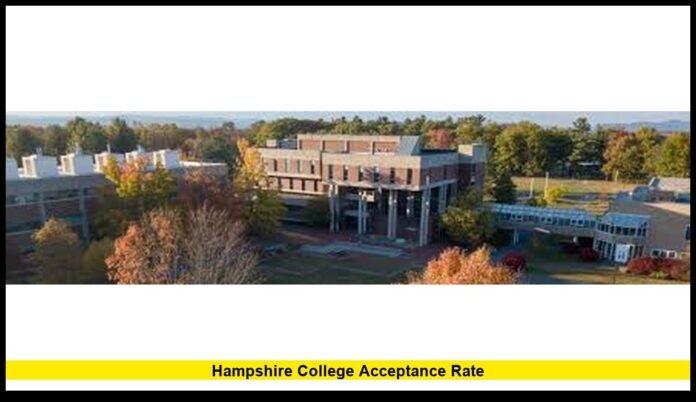

Hampshire College acceptance rate is one of the most searched metrics among prospective students in 2026, currently standing at approximately 84%, reflecting a relatively accessible yet thoughtfully selective admissions process.
Located in Amherst, Massachusetts, Hampshire College continues to challenge traditional higher education norms. Its test-blind policy, narrative evaluations, and student-designed academic paths make it a unique choice in the U.S. college landscape. For applicants, understanding how the acceptance rate works—and what it really means—is critical before applying.
What Is the Current Acceptance Rate at Hampshire College?
As of the latest confirmed admissions cycle, Hampshire College has an acceptance rate of about 84%.
At first glance, this number may suggest that admission is easy. However, that interpretation misses the full picture. Hampshire does not evaluate applicants using conventional standards like test scores or strict GPA cutoffs. Instead, the college focuses on fit, creativity, and independence.
What This Percentage Actually Indicates:
- A majority of applicants are admitted
- Admissions are still selective based on alignment with the college’s philosophy
- Students must demonstrate intellectual curiosity and initiative
In simple terms, Hampshire is accessible but not automatic.
Understanding Hampshire’s Unique Admissions Philosophy
Unlike most U.S. colleges, Hampshire College uses a holistic and unconventional admissions approach.
Key Features of Their System:
- Test-Blind Policy: SAT and ACT scores are not considered at all
- No Traditional GPA Requirement: Academic performance matters, but strict cutoffs do not exist
- Narrative Evaluations: Instead of grades, students receive detailed written feedback
- Student-Driven Curriculum: No predefined majors; students design their own academic path
Because of this structure, Hampshire looks for students who are not just academically capable but also deeply self-motivated.
Why the Acceptance Rate Is Higher Than Many Colleges
The relatively high acceptance rate at Hampshire can be explained by several factors that differentiate it from traditional institutions.
1. Self-Selection Among Applicants
Many students prefer structured programs with majors, GPAs, and rankings. Hampshire’s unconventional model naturally attracts a smaller, more specific group of applicants.
2. Test-Blind Admissions Expands Access
By removing standardized testing, Hampshire allows more students to apply. This increases applications but also broadens the range of candidates considered.
3. Focus on Fit Over Competition
Hampshire prioritizes whether a student belongs in its academic environment rather than competing purely on grades or scores.
Admissions Requirements in 2026
Even with a higher acceptance rate, Hampshire maintains clear application expectations.
Required Materials:
- Completed application (Common App or Coalition Application)
- High school transcript
- Personal essay or statement
Optional but Valuable:
- Letters of recommendation
- Portfolio (for creative students)
- Additional written responses
Not Required:
- SAT or ACT scores
- Class rank
Admissions officers spend significant time reviewing each application to understand the student’s personality, goals, and learning style.
How Hampshire Evaluates Applicants
Hampshire College evaluates applicants using a holistic review process. This means no single factor determines admission.
Top Factors Considered:
1. Intellectual Curiosity
Applicants should show a genuine love for learning, especially beyond the classroom.
2. Initiative and Independence
Students who have pursued independent projects, research, or creative work stand out.
3. Writing Ability
The essay plays a major role. Strong storytelling and clarity of thought are essential.
4. Alignment With Hampshire’s Model
Students must demonstrate they understand and value Hampshire’s nontraditional system.
Is Hampshire College Easy to Get Into?
The answer depends on how you define “easy.”
Why It Might Feel Easier:
- High acceptance rate
- No standardized testing requirement
- Flexible academic expectations
Why It’s Still Challenging:
- Requires a strong personal narrative
- Demands evidence of independence
- Not suitable for students seeking structure
Students who simply submit a generic application without demonstrating fit often face rejection, despite the high acceptance rate.
Recent Admissions Trends (2024–2026)
Admissions patterns at Hampshire have remained relatively stable over recent years.
Key Trends:
- Acceptance rate consistently around 80%–85%
- Increasing interest from students seeking alternatives to traditional grading
- Continued emphasis on diversity and inclusive admissions
The college has also expanded outreach efforts, targeting students interested in interdisciplinary and self-directed education.
Acceptance Rate vs. Yield Rate
While the acceptance rate is high, Hampshire’s yield rate—the percentage of admitted students who enroll—is lower.
Reasons for Lower Yield:
- Many applicants apply to multiple colleges
- Some choose schools with traditional structures
- Others prefer larger campuses or specific majors
This dynamic allows Hampshire to admit more students while maintaining enrollment targets.
How Hampshire Compares to Other Colleges
To better understand Hampshire’s position, it helps to compare acceptance rates.
| Type of Institution | Acceptance Rate Range |
|---|---|
| Highly selective liberal arts colleges | 10%–20% |
| Moderately selective private colleges | 40%–70% |
| Hampshire College | ~84% |
This comparison highlights that Hampshire is more accessible than most private liberal arts colleges, but still selective in its own way.
Who Should Apply to Hampshire College?
Hampshire is not for everyone. The ideal applicant has a specific mindset.
Strong Candidates Typically:
- Enjoy independent and self-directed learning
- Prefer projects over exams
- Have creative or interdisciplinary interests
- Value flexibility in education
Less Ideal Candidates:
- Prefer structured classes and clear grading systems
- Rely heavily on standardized test performance
- Need rigid academic guidance
Choosing Hampshire requires a clear understanding of its educational philosophy.
Tips to Improve Your Chances in 2026
Even with an 84% acceptance rate, applicants should approach the process strategically.
1. Write a Compelling Essay
Your essay should reflect your personality, curiosity, and goals. Avoid generic topics.
2. Highlight Independent Work
Showcase projects, research, or creative efforts you pursued outside standard coursework.
3. Demonstrate Fit
Explain why Hampshire’s model works for you specifically.
4. Be Authentic
Admissions officers value honesty and originality over perfection.
Financial Aid and Affordability
Hampshire College offers financial aid to help make education accessible.
Key Points:
- Need-based financial aid is available
- FAFSA submission is required
- Institutional aid packages vary by student
While Hampshire is a private college, financial aid can significantly reduce costs for eligible students.
Student Experience and Outcomes
Understanding the acceptance rate is only part of the picture. Student experience matters just as much.
What Students Can Expect:
- Close faculty mentorship
- Flexible academic pathways
- Emphasis on real-world projects
- Strong focus on critical thinking
Graduates often pursue careers in:
- Education
- Creative industries
- Research and academia
- Social impact fields
Common Misconceptions About Hampshire’s Acceptance Rate
Myth 1: High Acceptance Rate Means Low Quality
False. Hampshire’s selectivity is based on fit, not just numbers.
Myth 2: Anyone Can Get In
Not true. Applicants must demonstrate independence and alignment.
Myth 3: It’s a Backup School
While some use it as a backup, many choose Hampshire as their top choice due to its unique model.
Future Outlook for Hampshire Admissions
Looking ahead, Hampshire College is expected to maintain its current admissions approach.
What to Expect:
- Continued test-blind policy
- Stable acceptance rate
- Growing interest in alternative education models
As more students seek personalized education, Hampshire’s approach may become even more relevant.
Final Thoughts
The Hampshire College acceptance rate offers a clear message: the school values accessibility, but it does not compromise on fit. Admission is not about being the best on paper—it’s about being the right match.
Students who understand Hampshire’s philosophy and embrace independent learning have a strong chance of success, both in the admissions process and beyond.
If you’re thinking about applying, take a closer look at what makes Hampshire different—and decide if that difference aligns with your future. Share your thoughts or questions below and join the conversation.