
What do the palms represent on Palm Sunday is a question many Americans are asking today, March 29, 2026, as churches across the country gather to begin Holy Week with one of Christianity’s most symbolic traditions.
From large city cathedrals to small community churches, Palm Sunday services are taking place nationwide this weekend. Worshippers are receiving palm branches, joining processions, and reflecting on a moment that has been remembered for centuries. The meaning behind these palms remains deeply rooted in history, yet it continues to resonate strongly in modern life.
The Meaning Behind Palm Branches
Palm branches represent victory, peace, and spiritual triumph. Their symbolism comes from the biblical account of Jesus entering Jerusalem, where crowds greeted him by waving palms and placing them along his path.
This act was not random. In ancient cultures, palms symbolized success and honor. When people used them to welcome Jesus, they were recognizing him as a figure of importance and hope.
Even today, that same meaning carries through in churches across the United States.
Why Palms Were Chosen
To understand what do the palms represent on Palm Sunday, it helps to look at their role in the ancient world.
Palm branches were commonly used in:
- Celebrations of victory
- Religious ceremonies
- Public honors for leaders
They were widely seen as a sign of joy and triumph. When the crowds in Jerusalem waved palms, they were expressing belief, expectation, and respect.
This historical context explains why palms remain central to Palm Sunday observances today.
Palm Sunday 2026: How It’s Being Observed
As of today, Palm Sunday is actively being celebrated across the United States, marking the official start of Holy Week.
Churches are holding:
- Palm processions at the beginning of services
- Special sermons focused on humility and faith
- Family-friendly reenactments of the Jerusalem entry
Many congregations are also offering livestream services, allowing people to participate from home. This approach continues to grow, making the tradition accessible to more people each year.
Clergy messages in 2026 often emphasize peace, compassion, and unity—values closely tied to the meaning of the palms.
The Deeper Symbolism of Palms
Palm branches go beyond a single historical moment. They carry layered spiritual meanings that remain relevant today.
1. Peace Over Power
Jesus entered Jerusalem peacefully, not as a military leader. The palms highlight a victory rooted in humility rather than force.
2. Hope for the Future
The people who waved palms believed change was coming. This hope continues to inspire believers today.
3. Honor and Recognition
Laying palms on the ground symbolized respect. It was a way of acknowledging someone as worthy of praise.
4. Eternal Life
In Christian tradition, palms are also connected to everlasting life and spiritual victory beyond earthly struggles.
What Happens to Palm Branches After Sunday
Palm branches are not simply thrown away after services end.
In many churches:
- Palms are collected and preserved
- They are later burned
- The ashes are used for Ash Wednesday the following year
This practice connects Palm Sunday to the broader cycle of the Christian calendar, reinforcing themes of renewal and reflection.
How Americans Celebrate Today
Palm Sunday traditions vary across the U.S., but the core elements remain consistent.
Common practices include:
- Holding palm branches during worship
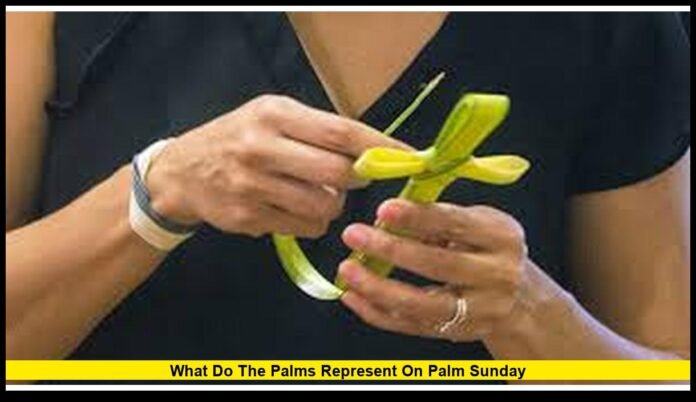
- Creating small crosses from palm leaves
- Displaying palms at home as a reminder of faith
Communities often come together for shared meals, gatherings, and outreach events tied to the occasion.
In recent years, social media has also become part of the celebration. People share messages, photos, and reflections, bringing the meaning of Palm Sunday into digital spaces.
Why This Symbol Still Matters in 2026
The question—what do the palms represent on Palm Sunday—remains relevant because the values they represent are timeless.
Palm branches reflect:
- A desire for peace during uncertain times
- Hope in moments of challenge
- Faith that extends beyond immediate circumstances
These ideas continue to resonate with people across the United States, regardless of background.
The Start of an Important Week
Palm Sunday marks the beginning of Holy Week, one of the most significant periods in the Christian calendar.
It leads into:
- Holy Thursday
- Good Friday
- Easter Sunday
The palms serve as the opening symbol of this journey, reminding believers of both celebration and the deeper events that follow.
A Tradition That Continues to Evolve
While the meaning of palm branches has remained constant, the way people observe Palm Sunday continues to adapt.
Churches now combine traditional rituals with modern tools like livestreaming and online communities. This blend allows the message to reach wider audiences while preserving its original significance.
In 2026, the focus remains clear: honoring a moment that symbolizes peace, humility, and hope.
Conclusion
Palm branches may seem simple, but they carry a powerful message that has endured for generations. They represent victory without violence, hope in uncertain times, and a deep sense of faith.
As Americans observe Palm Sunday today, the symbolism of the palms continues to connect the past with the present in a meaningful way.
What do the palms represent on Palm Sunday is more than a question—it’s a reminder of values that still shape lives today.
How do you observe Palm Sunday in your community? Share your thoughts and join the conversation.