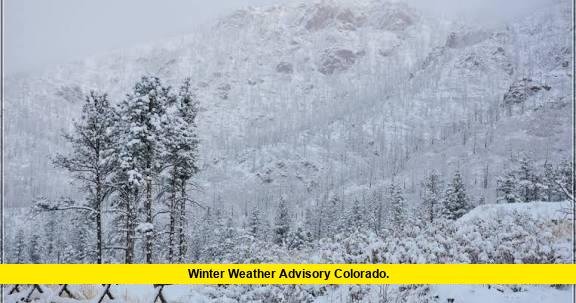

Colorado is preparing for another round of mountain snow as a Winter Weather Advisory takes effect across several high-elevation areas. The latest National Weather Service information indicates that snow could create hazardous driving conditions across mountain passes, with the advisory covering parts of the Colorado Rockies from Wednesday afternoon, October 14, into early Thursday, October 15, 2026.
The main concern is accumulating snow at higher elevations, where temperatures are cold enough for snow-covered roads and reduced traction. Drivers heading toward mountain communities, national parks, and high mountain passes should check local forecasts and road conditions before leaving.
Latest Winter Weather Advisory Colorado Update
The National Weather Service’s Denver-Boulder office has issued a Winter Weather Advisory for several mountain areas. The advisory is scheduled to begin at noon Mountain Daylight Time on Wednesday and remain in effect until 6 a.m. Thursday.
Forecasters expect 6 to 12 inches of snow in the affected high-elevation locations. Snow-covered roads could make travel hazardous, particularly through mountain passes.
The advisory is not a statewide warning covering every Colorado community. Conditions will vary depending on elevation, location, and the storm’s track. Travelers should check the alert for their specific destination rather than assuming the same snowfall totals will apply throughout the state.
Which Areas of Colorado Are Under the Advisory?
The latest advisory from the National Weather Service includes several mountainous areas above approximately 9,000 feet, particularly:
- Rabbit Ears Pass and surrounding mountain areas
- Rocky Mountain National Park
- Medicine Bow Range
- Summit County mountains
- Mosquito Range
- Indian Peaks
- Berthoud Pass and nearby high-elevation routes
- Eisenhower Tunnel and surrounding mountain corridors
- Winter Park and nearby high country
The exact locations covered by an alert can differ from nearby towns and lower elevations. People traveling between Denver and mountain destinations should verify conditions along their entire route, including the passes they intend to cross.
Western Colorado Also Faces Winter Weather Alerts
Western Colorado has separate winter weather alerts issued by the National Weather Service’s Grand Junction office. Forecast information for areas near Aspen, Minturn, Vail, and other mountain communities indicates changing weather conditions, with snow showers possible at higher elevations.
In the San Juan Mountains near Telluride and Silverton, a separate advisory is scheduled to remain in effect through Wednesday evening. Conditions and expected snowfall differ across the region, so travelers should consult the forecast for their specific location.
These separate alerts are important because Colorado’s mountainous terrain can produce substantial differences in snowfall over relatively short distances. A community experiencing rain may be only a short drive from a pass receiving snow.
How Much Snow Is Expected in Colorado?
The latest forecast highlights the potential for substantial accumulation in the highest elevations.
For the areas covered by the Denver-Boulder advisory, the National Weather Service expects approximately 6 to 12 inches of snow. Some lower-elevation locations may receive considerably less, while localized conditions could differ from the broader forecast.
Expected impacts include:
- Snow accumulating on mountain roads and passes.
- Reduced traction for passenger vehicles and commercial trucks.
- Slower travel times through high-elevation corridors.
- Potentially reduced visibility during periods of snow.
- Difficult driving conditions for motorists unfamiliar with mountain weather.
Snowfall forecasts can change as the storm develops. Travelers should check updated forecasts before departing and again during their journey when it is safe to do so.
Will Denver Get Snow From This Weather System?
The advisory primarily targets high-elevation mountain areas rather than the entire Denver metropolitan area. Forecasts for lower elevations may feature rain showers, while snow becomes more likely as precipitation moves into colder mountain environments.
Denver residents should not assume that a mountain snow advisory means significant snowfall is expected in the city. Local temperatures, elevation, and the timing of precipitation determine whether rain, mixed precipitation, or snow occurs.
People planning to travel from Denver toward the mountains should pay particular attention to conditions along Interstate 70 and other routes crossing higher terrain.
Colorado Mountain Travel: Roads and Driving Conditions
Snow-covered roads can make mountain travel dangerous even when snowfall totals are relatively modest. Temperatures near freezing can also allow wet surfaces to become icy, particularly overnight and during the early morning hours.
The Colorado Department of Transportation recommends checking current road conditions, closures, and traction requirements before traveling during winter weather.
Safety Tips for Drivers
Motorists should take the following precautions:
- Check road conditions: Review current information through COtrip.org or call 511 before starting a trip.
- Allow additional travel time: Snow and reduced traction can slow traffic significantly.
- Prepare your vehicle: Check tires, windshield wipers, headlights, brakes, and windshield washer fluid.
- Carry emergency supplies: Keep warm clothing, blankets, water, food, and a flashlight in the vehicle.
- Maintain a safe following distance: Allow extra room to brake on snow-covered or slippery roads.
- Follow traction and chain requirements: Comply with any restrictions or requirements announced by transportation officials.
- Consider delaying nonessential travel: If conditions deteriorate, waiting for safer conditions may be the better choice.
Drivers should never stop in an unsafe location to check their phones or weather applications. Pull over only where it is safe and legal to do so.
What Does a Winter Weather Advisory Mean?
A Winter Weather Advisory is issued when expected winter conditions could create travel difficulties or other disruptions. It is generally less severe than a Winter Storm Warning, but it should not be interpreted as meaning that conditions are harmless.
Snow, blowing snow, freezing precipitation, or a combination of winter hazards can make roads dangerous during an advisory.
For Colorado, elevation is particularly important. Mountain passes can experience snow and freezing temperatures even when nearby valleys remain relatively mild.
An advisory also differs from a winter storm warning, which is generally associated with more significant or hazardous winter weather. The appropriate response to either alert depends on the affected location, forecast conditions, and official guidance.
How Long Will the Colorado Winter Weather Advisory Last?
The latest alerts show different schedules depending on the region.
- Central and northern mountain areas: The Denver-Boulder advisory is scheduled from noon Wednesday, October 14, until 6 a.m. Thursday, October 15.
- Parts of western Colorado: Some advisories issued by the Grand Junction office extend from Wednesday morning through early Thursday morning.
- The San Juan Mountains: A separate advisory near Telluride and Silverton is scheduled to end Wednesday evening.
These times are subject to change if forecasters update or extend an alert. Check the National Weather Service’s current warning map for the latest status before making travel plans.
Where to Check the Latest Colorado Weather Alerts
For the most reliable information, use official weather and transportation resources:
- National Weather Service: Check active watches, warnings, advisories, snowfall forecasts, and hourly weather conditions for your destination.
- Colorado Department of Transportation: Review road closures, traction requirements, and winter driving guidance.
- COtrip.org: Check current highway conditions and transportation updates.
- Local emergency management agencies: Follow instructions regarding hazardous travel, road closures, and other local safety concerns.
Official information is particularly important during rapidly changing mountain weather. Social media posts and older forecasts may not reflect the latest alert boundaries or expected snowfall.
Conclusion
Colorado’s latest winter weather advisories highlight the possibility of accumulating mountain snow and hazardous driving conditions across several high-elevation regions. The most significant concern is travel through mountain passes, where snowfall and colder temperatures can quickly change road conditions.
Although the advisory does not cover every Colorado community, anyone traveling into the mountains should prepare for potential delays and check official forecasts before leaving. Because weather alerts can change, monitoring updates from the National Weather Service and Colorado transportation officials remains essential.
Are you seeing snow or changing road conditions in your part of Colorado? Share your local update in the comments and stay tuned for the latest winter weather developments.