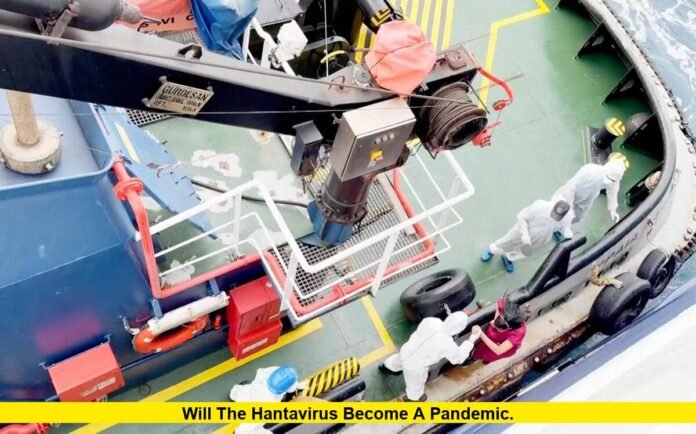

Recent reports about a deadly hantavirus outbreak linked to a cruise ship have sparked global concern and raised one major question: will the hantavirus become a pandemic? While health officials are closely monitoring the situation, experts currently believe the overall global risk remains low. However, the unusual outbreak involving possible human-to-human transmission has increased public attention toward this rare but dangerous virus.
Hantavirus is not a new disease. It has existed for decades and is usually spread through contact with infected rodents or their droppings, urine, and saliva. In most cases, infections happen in isolated rural or wilderness areas rather than crowded urban centers. According to the World Health Organization and the CDC, widespread community transmission like COVID-19 has not been observed for most hantavirus strains.
Still, the latest international outbreak connected to the MV Hondius cruise ship has renewed fears because investigators suspect the Andes strain may have spread between people in close quarters. That particular strain, found mainly in South America, is one of the few known hantaviruses capable of limited person-to-person transmission.
What Is Hantavirus?
Hantavirus refers to a group of viruses carried primarily by rodents. In humans, it can cause severe illnesses including Hantavirus Pulmonary Syndrome (HPS) and Hemorrhagic Fever with Renal Syndrome (HFRS). Symptoms often begin like the flu before rapidly progressing into serious breathing complications.
Common early symptoms include:
- Fever
- Muscle aches
- Fatigue
- Headache
- Nausea
- Chills
In severe cases, patients can develop fluid buildup in the lungs and respiratory failure. Experts say early medical care is critical because the illness can worsen quickly.
Is Hantavirus Spreading?
Health authorities say hantavirus is not spreading widely among the general population at this time. Most cases continue to be linked to direct exposure to infected rodents. However, the recent cruise ship cluster involving multiple countries has triggered investigations into whether limited human-to-human transmission occurred aboard the vessel. The World Health Organization has emphasized that the risk to the global public remains low, but scientists are carefully studying the Andes strain because of its unusual transmission potential.
How Is Hantavirus Transmitted?
Hantavirus is mainly transmitted when people inhale tiny airborne particles contaminated with rodent urine, saliva, or droppings. Infection can also happen through touching contaminated surfaces and then touching the mouth or nose. In rare cases, bites or scratches from infected rodents may spread the virus. Most hantavirus strains do not spread between humans, although rare transmission events involving the Andes virus have been documented in South America.
Is Hantavirus Deadly?
Yes, hantavirus can be extremely deadly in severe cases. The fatality rate for Hantavirus Pulmonary Syndrome can reach 38% to 50% depending on the strain and how quickly treatment begins. Recent cruise ship cases resulted in multiple deaths, which is one reason public concern has increased dramatically. Despite this, overall infections remain relatively rare worldwide compared to other respiratory diseases.
Is There a Cure for Hantavirus?
Currently, there is no specific cure or antiviral treatment approved specifically for hantavirus infections. Doctors mainly provide supportive care, including oxygen therapy, intensive respiratory support, and monitoring in hospitals. Early diagnosis can significantly improve survival chances because treatment focuses on managing symptoms before severe lung complications develop. Researchers continue studying vaccines and antiviral therapies, but no widely available cure exists at this time.
Hantavirus Cruise Ship Location
The recent hantavirus outbreak attracting worldwide attention involved the expedition cruise ship MV Hondius. The vessel traveled from Ushuaia, Argentina, across the South Atlantic and later headed toward Spain’s Canary Islands after multiple passengers became ill. Health authorities from several countries, including Spain, Switzerland, South Africa, and the Netherlands, coordinated response efforts as passengers were isolated, evacuated, or repatriated. The outbreak has become one of the most closely watched hantavirus incidents in recent years.
Why Experts Say a Global Pandemic Is Unlikely
Although the current outbreak sounds alarming, infectious disease experts say several factors make a worldwide hantavirus pandemic unlikely.
Limited Transmission
Unlike highly contagious respiratory viruses, hantavirus generally requires close exposure to infected rodents or contaminated environments. Human-to-human transmission appears extremely rare and limited mostly to the Andes strain.
Low Case Numbers
Even though hantavirus has a high mortality rate, total global case numbers remain relatively low. In the United States, fewer than 1,000 cases were recorded over several decades.
Faster Detection
Public health systems are now much more prepared to identify and isolate outbreaks quickly. International monitoring by organizations such as the WHO allows rapid response when unusual clusters appear.
Geographic Limitations
Many hantavirus strains are tied to specific rodent species living in limited geographic regions. That reduces the likelihood of rapid worldwide spread.
Should People Be Worried?
Experts recommend awareness rather than panic. Travelers, campers, hikers, and people cleaning rodent-infested spaces should take precautions seriously. Avoiding rodent exposure remains the best protection against infection.
Safety tips include:
- Avoid sweeping rodent droppings directly
- Wear gloves and masks when cleaning contaminated areas
- Seal homes against rodents
- Store food properly
- Wash hands after outdoor activities
Most public health agencies continue to classify the broader risk as low, despite ongoing investigations into the cruise ship outbreak.
Final Thoughts
The recent outbreak has understandably increased fears and online searches asking, “will the hantavirus become a pandemic.” While the virus is undeniably dangerous and can be fatal, scientists currently do not believe it poses the same global pandemic threat as highly contagious airborne viruses.
The biggest concern centers on the Andes strain and the possibility of limited human transmission in close-contact environments. For now, health officials continue monitoring cases carefully while emphasizing that hantavirus infections remain rare worldwide.