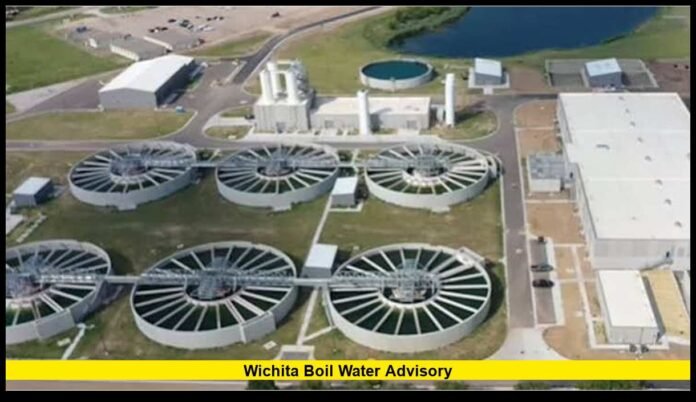

A citywide water alert is affecting Wichita customers after a power loss at the main water treatment plant and Hess pump station caused widespread reports of low or lost water pressure. The City of Wichita issued the advisory Wednesday, September 16, and has told customers to boil tap water for one minute before drinking or preparing food, or use bottled water instead. The city has not provided a timetable for ending the advisory.
The disruption began after storms moved through the area Tuesday night. The current water treatment plant was operating with backup generators when the power problem occurred. City officials are investigating why those backup generators failed. Officials have emphasized that the issue was connected to the loss of power and not a failure of the treatment process itself.
The latest update makes clear that customers should continue following the water safety instructions until officials announce that the advisory has been rescinded.
Why the Wichita Water Advisory Was Issued
The immediate concern began with a major loss of water pressure across Wichita.
Residents on the east and west sides of the city reported low or completely lost water pressure during the early morning hours. City officials initially worked to determine the source of the widespread disruption. The investigation later identified a power outage affecting the current water treatment plant and the Hess pump station.
The treatment plant is more than 80 years old and remains the city’s in-use facility while Wichita prepares its newer water treatment plant for full operation.
After the pressure loss, the city issued the advisory as a precaution. A major pressure disruption can create concerns for the integrity of a public water distribution system. Officials therefore instructed customers to take additional precautions while crews work on the system and water samples are collected.
The city has not said that widespread contamination has been confirmed. The advisory reflects the need for precautionary measures following the loss of pressure.
About 500,000 Water Customers Are Affected
The disruption has a broad impact across the Wichita water system.
Current reporting places the number of affected water customers at about 500,000. The impact includes customers across Wichita who experienced low or lost water pressure after the power-related problem.
That large customer base makes the situation significant for households, businesses and other facilities that depend on the municipal water system.
Customers should not assume that the advisory applies only to homes that experienced a complete loss of water. The city issued the precaution for its water customers, and residents should follow the instructions until the official status changes.
Water pressure may return at different times in different areas. A faucet producing water does not by itself mean the advisory has ended.
What Residents Should Do With Tap Water
The city’s instructions are straightforward.
Residents should boil tap water for one minute before using it for drinking or food preparation. Customers can also use bottled water instead.
This precaution applies to water used for activities such as:
- Drinking
- Cooking
- Preparing food
- Making beverages
- Preparing infant formula
- Making ice
Residents should continue following these instructions until the advisory is officially rescinded.
Boiling provides a way to make water suitable for drinking and food preparation during the advisory. Bottled water is another option for households that do not want to boil their tap water.
What Wichita Residents Should Do With Ice
Ice is an important part of the city’s warning.
Residents should throw away ice cubes made from tap water and should not use ice produced by an automatic household ice maker during the advisory.
The reason is simple. Ice made from untreated tap water can later melt into drinks or come into contact with food.
Households should instead use commercially bottled ice or make ice from water that has been properly boiled and cooled.
The same caution applies to drinks prepared with tap water. Coffee, tea, powdered drinks and other beverages should use bottled water or water that has been boiled for one minute.
How to Handle Dishes and Food-Contact Surfaces
Residents also need to pay attention to dishes, utensils and other surfaces that touch food.
The city’s instructions say dishes and food-contact surfaces can be disinfected by immersing them for at least one minute in clean tap water containing one teaspoon of unscented household bleach per gallon of water.
Customers should use unscented household bleach and follow the city’s stated concentration.
This instruction matters because dishes may come into direct contact with food or beverages after washing.
Residents who use a dishwasher should follow official guidance rather than assuming that the appliance automatically eliminates the need for precautions during the advisory.
Can Wichita Residents Shower During the Advisory?
Bathing water generally does not need to be boiled during the advisory.
However, the city recommends supervising children while they bathe to make sure they do not swallow the water. People with cuts or severe rashes may want to consult a medical professional about bathing during the advisory.
Adults should also avoid intentionally swallowing bath or shower water.
The advisory primarily focuses on water used for drinking and food preparation. It does not mean residents must stop using water for every household activity.
The Advisory Has No Confirmed End Time
One of the most important details for Wichita customers is that officials have not announced when the advisory will end.
The city says it will provide updates as the situation develops. However, it cannot currently provide a time for the advisory to be rescinded.
Residents should therefore avoid relying on informal reports that water service has returned.
The return of water pressure is not the same as an official end to the advisory.
Kansas health officials have a role in the rescind process. The City of Wichita says the Kansas Department of Health and Environment, or KDHE, can issue the rescind order after required testing is completed at a certified laboratory.
Until that process is complete, customers should continue following the instructions.
Why the Water Pressure Problem Matters
Water pressure plays an important role in the operation of a municipal distribution network.
A significant pressure loss can create conditions that require additional testing and precautionary measures. That is why the city moved quickly to issue a water advisory after the widespread pressure problem.
The initial reports came from multiple areas of Wichita during the early morning. Officials then confirmed the power-related problem at the current treatment plant and Hess pump station.
The advisory gives city crews time to stabilize the system and complete the necessary testing.
Residents should therefore view the instructions as a safety measure rather than as confirmation that every customer’s water has been contaminated.
The Current Water Treatment Plant Remains Important
Wichita’s current treatment plant has been operating for more than eight decades.
The city is in the process of transitioning to a new water treatment facility in northwest Wichita. That newer facility is not yet scheduled for full operation.
The city recently signed a certificate of occupancy for the new plant and took over operation of the facility for training and operational preparation. Wichita has allocated a six-month training period as staff prepare for the eventual transition.
The new facility is anticipated to become fully operational during the second quarter of 2027.
The September 16 disruption therefore occurred while Wichita continues to depend on its existing treatment infrastructure.
What Happened With the Backup Generators?
Storms moved through the Wichita area Tuesday night, and the current treatment plant was operating on backup generators when the power problem occurred.
City Public Works Director Gary Janzen said staff members are investigating why the backup generators failed. He also said the incident was not caused by a problem with the treatment plant itself.
The investigation remains an important part of the response.
At this stage, residents should focus on the confirmed instructions rather than speculation about the cause of the generator failure.
The city continues to address the immediate water-system problem while working to identify what happened with the backup power equipment.
Impact on Wichita Schools
The water advisory has also affected school operations.
Wichita Public Schools announced that elementary schools with 9 a.m. start times would not hold classes on Wednesday, September 16, because of the advisory. Students participating in latchkey programs at those schools were to be picked up.
Schools that were already in session and secondary schools with earlier start times were continuing as normal under the information available in the latest update.
The district said decisions involving September 17 and later activities would depend on additional information.
This demonstrates how a citywide water disruption can affect daily services beyond individual households.
What Restaurants and Food Businesses Should Know
Restaurants and other food establishments using Wichita water should follow the applicable instructions while the advisory remains active.
The city directs food establishments with questions about the impact of the advisory on their operations to the Kansas Department of Agriculture’s food safety and lodging program.
Businesses that prepare food or beverages with municipal water should not assume that restored water pressure means normal operations can resume.
Food preparation, beverage service and ice production require particular attention because customers may consume water directly or indirectly.
Businesses should follow instructions from the appropriate state and local authorities until the advisory is lifted.
Where Residents Can Get Current Information
Wichita maintains an alert system for rapidly changing situations, including boil water advisories.
The city’s alert page is designed to provide updated information during events that can change quickly.
Residents can also contact the city directly with questions about the water situation.
Important contact numbers include:
- City of Wichita: 316-265-1300
- KDHE: 785-296-5514
- Kansas Department of Agriculture food safety and lodging: 785-564-6767
The city also provides a water outage map that allows customers to check reported scheduled water outages and locations.
For a changing public-water emergency, official city and state updates remain the key source for determining whether restrictions are still active.
What Residents Should Watch For Next
The next major development will be the city’s progress in restoring stable water service and completing water sampling.
The city has said that water sampling is a top priority as crews work through the problem.
Residents should continue boiling water for one minute before drinking or preparing food until an official rescind notice is issued.
They should also continue disposing of household ice and avoiding automatic ice makers.
A return to normal water pressure may be encouraging for individual customers, but it does not replace the formal process required to end the advisory.
Latest Update for Wichita Water Customers
The latest confirmed information shows that the advisory remains active following a power loss at Wichita’s current water treatment plant and Hess pump station.
The incident caused widespread reports of low or lost water pressure and affected approximately 500,000 water customers. City crews are working to address the disruption, while staff investigate the failure involving backup generators.
There is no confirmed end time at this point.
For residents, the most important steps remain simple: boil tap water for one minute before drinking or preparing food, use bottled water when preferred, discard tap-water ice and follow the city’s sanitation instructions for dishes and food-contact surfaces.
The city has also made clear that only KDHE can issue the formal rescind order after the required testing process.
Until that announcement arrives, Wichita customers should continue treating the advisory as active, even if water pressure has returned in their neighborhood.
The situation remains fluid as city crews work through the water-system disruption and sampling process.
Have you experienced the water-pressure disruption in Wichita? Share your latest experience or stay informed as officials provide new updates.