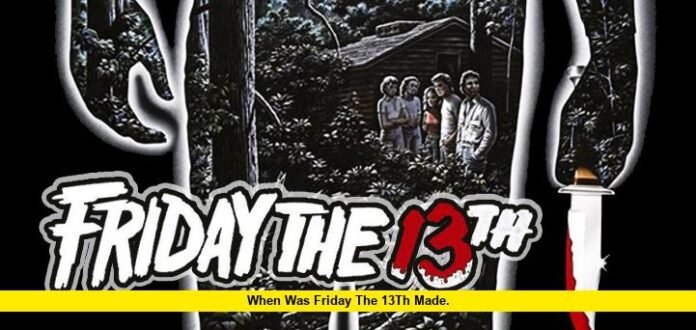

The original Friday the 13th was filmed in 1979 and released in U.S. theaters on May 9, 1980. Directed by Sean S. Cunningham and written by Victor Miller, the supernatural-free slasher thriller became a landmark in American horror cinema. As of November 1, 2026, the original movie remains an important entry in the history of the slasher genre, introducing audiences to Camp Crystal Lake and laying the groundwork for a long-running horror franchise.
Although many viewers associate Friday the 13th with Jason Voorhees, the original film has a different central mystery. Its story follows a group of young camp counselors preparing to reopen a summer camp with a tragic history. As the counselors begin disappearing, the movie builds suspense around the identity of the killer and the dark secrets surrounding the camp.
Understanding when the film was made requires distinguishing its production period from its theatrical release. The filmmakers shot the movie in New Jersey in 1979, completed the production process, and brought the finished horror film to American audiences the following year.
When Was the Original Friday the 13th Filmed?
Production on Friday the 13th took place in New Jersey during the fall of 1979. The American Film Institute’s film catalog records that principal photography began on September 10, 1979, in western New Jersey. Some film production records list September 4 as the first day of filming, so accounts differ slightly on the precise starting date.
The production continued through the early fall, with filming records placing the period between early September and early October 1979. This schedule allowed the filmmakers to capture the wooded surroundings, camp buildings, and isolated locations needed for the story.
New Jersey provided a practical setting for the movie. Its rural landscapes helped create the remote atmosphere that makes Camp Crystal Lake feel separated from the outside world. The filmmakers used real locations rather than relying entirely on studio sets, giving the production a grounded appearance.
The film’s natural setting became one of its most recognizable features. Dense trees, quiet roads, lakeside scenery, and modest camp structures helped build tension without requiring elaborate visual effects.
When Was Friday the 13th Released in Theaters?
The original Friday the 13th opened in the United States on May 9, 1980. Paramount Pictures distributed the film domestically, bringing the low-budget horror production to a wide theatrical audience.
The release date is sometimes confused with the movie’s fictional events or with later franchise installments. However, May 9, 1980, is the documented U.S. theatrical release date for the original film.
The distinction is important for anyone researching the movie’s history:
- Filming year: 1979.
- U.S. theatrical release year: 1980.
- U.S. release date: May 9, 1980.
- Director: Sean S. Cunningham.
- Screenwriter: Victor Miller.
- Distributor in the United States: Paramount Pictures.
- Running time: Approximately 95 minutes.
These dates establish that the movie was made before its 1980 debut. The production did not begin and end in the same calendar year as its theatrical release.
Who Directed Friday the 13th?
Sean S. Cunningham directed and produced the original Friday the 13th. He developed the project as an independent horror film during a period when American audiences were showing strong interest in frightening, suspense-driven movies.
Victor Miller wrote the screenplay, creating the story of a summer camp haunted by a terrible past. The screenplay focuses on the counselors’ experiences and the mystery of the person responsible for the killings.
Cunningham’s approach emphasized suspense, isolation, and shocking practical effects. Instead of depending on expensive technology, the production used camera techniques, makeup, sound, and carefully staged scenes to create its horror.
The movie’s relatively modest production scale made its eventual commercial success particularly significant. It demonstrated that a carefully marketed horror film could attract a large audience without a blockbuster-sized budget.
Where Was Friday the 13th Filmed?
The original movie was filmed primarily in northwestern New Jersey, especially around Blairstown, Hardwick Township, and Hope. These locations provided the countryside scenery that became closely associated with Camp Crystal Lake.
One of the most important filming locations was Camp No-Be-Bo-Sco in Hardwick Township, New Jersey. The working Boy Scout camp served as the setting for many of the movie’s camp scenes.
The location helped the filmmakers establish a believable summer camp environment. Cabins, wooded paths, and outdoor areas gave the characters a sense of isolation while keeping the production grounded in real surroundings.
Other recognizable filming locations included the Blairstown Diner and streets around Blairstown and Hope. These places helped create the small-town atmosphere surrounding the fictional camp.
New Jersey also offered a practical advantage for an independent production. The crew could use existing buildings and landscapes rather than construct every setting from scratch.
The real camp continues to attract interest from horror fans because of its connection to the film. However, it remains a functioning camp, so visitors should respect its rules and any restrictions on access.
How Much Did Friday the 13th Cost to Make?
The original Friday the 13th was a low-budget production by the standards of American theatrical filmmaking. The American Film Institute records its budget at approximately $650,000.
Some entertainment databases report a lower estimated figure of around $550,000. The difference reflects variations in reported production-budget estimates, but the film’s modest scale is well established.
The production team had to make careful use of its available resources. Real locations, practical makeup effects, and a relatively compact cast helped keep costs under control.
The special effects were especially important to the movie’s identity. Tom Savini, a makeup and special-effects artist, helped create the film’s graphic deaths and unsettling visual moments.
His work gave the killings a physical quality that distinguished the movie from horror productions relying on suggestion alone. The effects also helped establish the visual expectations audiences would associate with the franchise.
The filmmakers’ financial limitations did not prevent them from creating memorable scenes. Instead, practical effects and careful staging became central elements of the finished film.
Who Starred in the Original Friday the 13th?
The 1980 movie featured a cast of performers who portrayed the counselors, camp employees, and other people connected to Crystal Lake.
The principal cast included:
- Betsy Palmer as Pamela Voorhees.
- Adrienne King as Alice Hardy.
- Harry Crosby as Bill.
- Laurie Bartram as Brenda.
- Mark Nelson as Ned.
- Jeannine Taylor as Marcie.
- Robbi Morgan as Annie.
- Kevin Bacon as Jack.
The performances helped establish the movie’s central mystery. Each character contributes to the tension as the audience gradually learns more about the camp’s history and the danger facing its young employees.
Kevin Bacon’s appearance is particularly memorable for many modern viewers because he later became a prominent Hollywood actor. His role in Friday the 13th came early in his film career.
Betsy Palmer’s portrayal of Pamela Voorhees is also central to the original movie. Her performance helped shape the story’s emotional and psychological dimensions.
What Is Friday the 13th About?
The movie follows a group of young counselors preparing to reopen Camp Crystal Lake, a summer camp associated with a tragic incident and a series of disturbing events.
Before the main story begins, the film establishes the camp’s troubled history. Local warnings suggest that reopening the property could lead to further tragedy, but the new staff proceed with their plans.
As the counselors settle in, an unknown attacker begins killing members of the group. The growing danger turns an ordinary summer job into a struggle for survival.
The story unfolds through suspenseful encounters, isolated settings, and clues about the camp’s past. Its central mystery encourages viewers to question who is responsible and why the camp has become a place of fear.
One important distinction separates the original film from the franchise’s later reputation: Jason Voorhees is not the principal killer in the 1980 movie. Pamela Voorhees is revealed as the person responsible for the murders.
Jason appears in the story through the tragedy that shaped his mother’s actions and in the film’s famous final sequence. Later installments transformed him into the franchise’s most recognizable masked killer.
That difference matters when researching the original movie. The 1980 film established the setting and mythology, while its sequels developed Jason into the central figure audiences came to recognize.
How Friday the 13th Became a Horror Success
When the movie arrived in theaters in May 1980, it entered a market receptive to slasher films. Horror audiences had already responded strongly to films that combined suspense, masked or hidden killers, and vulnerable characters.
The success of Halloween in 1978 helped demonstrate the commercial potential of this style of horror. Cunningham’s film pursued a related audience while building its own identity around a summer camp and its disturbing history.
The original Friday the 13th earned approximately $39.8 million domestically in its initial theatrical release, based on widely reported box-office figures. Its financial performance was substantial compared with its production budget.
The success helped turn the title into a recognizable horror brand. A direct sequel, Friday the 13th Part 2, followed in 1981, extending the story beyond the original film.
Subsequent installments developed the franchise’s mythology, introduced new characters, and increasingly centered Jason Voorhees as the principal threat.
The series later included numerous sequels, crossovers, and a 2009 reboot. Yet the original remains distinct because its story, killer reveal, and final sequence differ from the familiar formula of later entries.
Its influence also extends to the broader slasher genre. The combination of a remote location, a group of young characters, escalating attacks, and a mystery surrounding the killer became a familiar framework in horror filmmaking.
Why Friday the 13th Is Still Remembered
More than four decades after its theatrical debut, Friday the 13th remains a reference point for American horror fans. Its legacy rests on the combination of a recognizable setting, practical effects, suspense, and a story that helped launch a major film franchise.
The original movie also offers a useful snapshot of independent horror filmmaking around the turn of the 1980s. A production with limited resources found a wide audience and became the starting point for a series that continued to evolve.
The distinction between its 1979 production and 1980 release remains one of the most frequently sought facts about the movie. The filming took place in New Jersey in the fall of 1979, while American audiences first saw the completed film in theaters on May 9, 1980.
Later installments expanded the series, but the original film’s identity rests on its own story rather than the full mythology that followed. Its suspenseful setting and unexpected revelation continue to define the first chapter of the franchise.
Final Takeaway
The answer to when was Friday the 13th made is straightforward: the original horror film was shot in New Jersey in 1979 and released in U.S. theaters on May 9, 1980. Directed by Sean S. Cunningham and written by Victor Miller, it became a commercial success and established the foundation for one of America’s best-known horror franchises.
Have a favorite moment from the original Friday the 13th? Share your thoughts in the comments and stay tuned for more verified updates on classic horror movies.