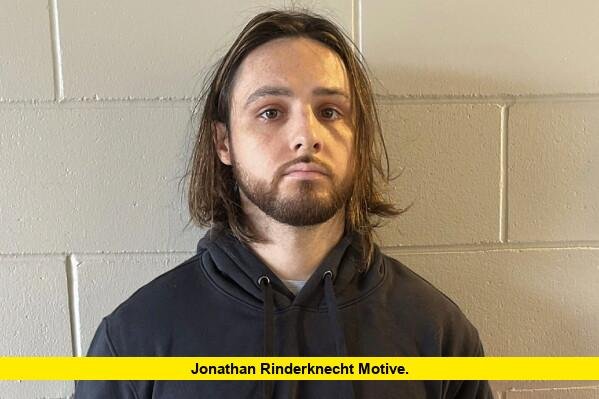

The Jonathan Rinderknecht motive has drawn widespread attention following his conviction in the federal case connected to the devastating January 2025 Palisades Fire in Los Angeles. Prosecutors described him as angry, frustrated, and emotionally distressed in the hours leading up to the initial Lachman Fire, while investigators presented evidence they said connected him to the fire’s origin. On November 20, 2026, a federal jury found Rinderknecht guilty of two federal charges, marking a major development in a case that had previously ended in a mistrial.
The prosecution’s theory centered on a combination of alleged emotional frustration, personal circumstances, digital evidence, location information, and his actions before and after the initial fire. However, the motive question requires careful distinction between what prosecutors argued, what evidence was presented, and what the jury ultimately decided.
The conviction establishes the jury’s finding of guilt on the two charges. It does not mean every alleged psychological explanation or motive discussed during the investigation was independently proven as a separate legal finding.
What Was Jonathan Rinderknecht’s Alleged Motive?
Federal prosecutors argued that Rinderknecht was experiencing intense anger and frustration in the days surrounding New Year’s Eve 2024. According to evidence presented during the retrial, he was upset about his inability to find companionship and was also frustrated over a former coworker with whom he had briefly been romantically involved.
Prosecutors portrayed the emotional circumstances as part of the context surrounding the alleged fire-setting incident. They described him as someone who was angry, isolated, and dissatisfied with his personal circumstances on the night the initial fire began.
The government presented the alleged emotional state as a possible explanation for why he would intentionally start a fire. However, motive is different from evidence establishing the act itself. The jury’s decision relied on the evidence presented throughout the trial, rather than simply accepting a description of his emotions.
The key point is that prosecutors presented personal frustration and anger as part of their theory, but the motive should not be treated as a complete psychological explanation of the crime.
Prosecutors’ Theory About Anger and Frustration
During the proceedings, prosecutors described Rinderknecht’s mood on December 31, 2024, as increasingly agitated. Witness testimony from passengers who rode with him while he was working as a rideshare driver reportedly supported the prosecution’s description of his emotional state.
The government’s case included allegations that he was frustrated about his social circumstances and his relationship history. Prosecutors also presented information about his activities during the hours immediately before the Lachman Fire began.
Their theory was that these circumstances, combined with the evidence placing him near the fire’s origin, helped explain the alleged deliberate ignition.
The prosecution’s presentation was more focused during the retrial than during the first trial. Reporting on the second proceeding indicated prosecutors did not emphasize the earlier theory involving resentment toward wealthy people to the same degree. Instead, the case concentrated more heavily on the evidence surrounding the initial fire and the alleged actions that led to it.
That distinction is important because the public discussion of motive evolved as the case moved through the federal court system.
The New Year’s Eve Circumstances Prosecutors Presented
The events of New Year’s Eve 2024 became a central part of the prosecution’s timeline.
According to the government’s account, Rinderknecht was working as an Uber driver that night. He drove several passengers before eventually dropping off his final passenger in Pacific Palisades.
Prosecutors said he then drove toward an area where he had previously lived, parked near a hiking trail, and walked uphill. They presented evidence about his movements, his phone activity, and videos recorded in the area.
The prosecution argued that the sequence of events was significant because it placed him near the location where the Lachman Fire began.
The government also discussed his reported emotional condition during the evening. Prosecutors said witnesses described him as angry or agitated, providing additional context for their theory that the fire was intentionally started.
However, the defense challenged the government’s interpretation of the events and questioned whether the evidence conclusively established how the fire began.
Did Prosecutors Say He Was Motivated by Revenge?
The prosecution’s motive theory included anger, frustration, and personal dissatisfaction. Some earlier reporting described prosecutors exploring whether resentment toward society, including wealthy people, could have been a motivating factor.
That broader theory attracted attention because the Palisades neighborhood is associated with expensive homes and affluent residents.
However, the retrial focused more narrowly on the evidence relating to the alleged ignition of the Lachman Fire. Prosecutors reportedly reduced their emphasis on the broader societal-revenge theory and concentrated on the timeline, forensic evidence, digital information, and Rinderknecht’s actions.
It is therefore inaccurate to present a definitive motive such as revenge against wealthy residents as an established fact.
The more careful description is that prosecutors argued personal anger and frustration were part of the circumstances surrounding the alleged fire-setting, while the jury ultimately convicted him based on the evidence presented at trial.
What Evidence Did Prosecutors Present About the Fire’s Origin?
The motive discussion was only one part of a broader federal prosecution. Prosecutors presented evidence intended to establish where Rinderknecht was, what he did before the fire began, and how the initial blaze was connected to the later Palisades Fire.
The evidence reportedly included:
- Cellphone location information examining his movements around the time of the fire.
- Digital and video evidence relating to his activities in the area.
- Witness testimony about his mood and behavior during the evening.
- Fire investigation evidence concerning the origin and progression of the initial blaze.
- Evidence about his actions after the fire began, including efforts to contact emergency services and his later return to the scene.
The prosecution argued that these pieces of evidence formed a consistent timeline supporting its case.
The defense, meanwhile, challenged the investigation and argued that the government had not conclusively established the cause of the initial fire. Attorneys also raised the possibility that fireworks could have been responsible and questioned aspects of the investigative evidence.
The jury ultimately found Rinderknecht guilty of both charges pursued during the retrial.
The Lachman Fire and the Palisades Fire Connection
The criminal case centers on the relationship between the initial Lachman Fire and the much larger Palisades Fire.
The Lachman Fire began shortly after midnight on January 1, 2025, in the Pacific Palisades area of Los Angeles. Firefighters initially suppressed the blaze, but investigators later determined that it continued smoldering underground in vegetation and root structures.
On January 7, 2025, strong winds helped the fire resurface and spread, developing into the catastrophic Palisades Fire.
The resulting wildfire devastated communities in Pacific Palisades and surrounding areas. It killed 12 people, destroyed thousands of structures, and caused extensive damage to homes, businesses, and public infrastructure.
The federal prosecution argued that the original fire was deliberately started and later became the source of the larger wildfire.
The connection between the initial fire and the later disaster was central to the government’s case.
How the First Trial Differed From the Retrial
Rinderknecht’s case did not produce a conviction the first time it went before a jury.
The initial trial in 2026 ended after jurors were unable to reach a unanimous verdict. Reports described the jury as divided 10-2 in favor of acquittal, resulting in a mistrial.
The prosecution subsequently pursued a retrial with a narrower set of charges.
The second trial focused more directly on the alleged ignition of the Lachman Fire and the connection to the Palisades Fire. Prosecutors presented digital evidence, testimony, investigative findings, and the defendant’s reported actions surrounding the incident.
The defense continued to dispute the prosecution’s theory and argued that the investigation had flaws.
The retrial ultimately resulted in a different outcome.
Jonathan Rinderknecht Was Convicted on November 20, 2026
On November 20, 2026, a federal jury found Jonathan Rinderknecht guilty on two charges:
- Destruction of property by means of fire
- Arson affecting property used in interstate commerce
The verdict followed the second federal trial in Los Angeles and came after the first trial had ended in a hung jury.
The conviction represents the latest and most significant development in the case. Rinderknecht had previously pleaded not guilty and remained in federal custody during the proceedings.
The U.S. Department of Justice announced the verdict and provided an overview of the evidence presented during the trial.
Readers can review the government’s official announcement in the Department of Justice’s report on the November 20 guilty verdict.
The official federal case information is also available through the United States v. Jonathan Rinderknecht case page.
What the Conviction Means—and What It Does Not Mean
The November 2026 verdict establishes that a jury found Rinderknecht guilty of the two federal offenses charged in the retrial.
However, several distinctions remain important for readers:
The conviction is not the sentencing decision. The jury found him guilty, but the court must still determine his sentence.
The motive is not a separate conviction. Prosecutors presented evidence and arguments about anger and frustration, but the charges concerned the criminal conduct and property destruction.
The first mistrial is not an acquittal. The initial jury did not reach a unanimous verdict. The subsequent retrial resulted in convictions.
The defense’s challenges remain part of the case history. Attorneys disputed the government’s investigation and evidence, and the defense indicated disappointment with the verdict and could pursue available legal options.
For readers following the legal process, the distinction between the verdict, the sentencing hearing, and potential post-trial proceedings is essential.
How the Federal Charges Developed
The case developed through several stages, beginning with the investigation after the January 2025 wildfire.
Federal authorities initially charged Rinderknecht in connection with the fire. The indictment later included multiple counts, including charges related to destruction of property by fire, arson affecting property used in interstate commerce, and timber set afire.
The prosecution subsequently narrowed its charges for the retrial.
The original federal charging documents and case history can be reviewed through the Department of Justice’s federal indictment announcement.
The case was prosecuted in the U.S. District Court for the Central District of California, with Judge Anne Hwang presiding.
The federal court’s public calendar and case-related court information can be found through the Central District of California court records.
Related Coverage of the Palisades Fire Investigation
The arrest and investigation generated significant public interest before the trial began. Readers looking for the earlier stages of the case can also review these related articles:
- Palisades Fire arrest and investigation: The federal case’s early developments
- Arrest made in the Palisades Fire case: What authorities announced
These earlier reports provide background on the arrest, initial allegations, and the investigation that eventually led to the federal trials.
Sentencing Is Scheduled for March 17, 2027
The next major stage of the case is sentencing.
According to the federal government’s case information, sentencing is scheduled for March 17, 2027. The court will determine the punishment following the guilty verdicts.
The federal charges carry substantial potential penalties. The precise sentence will depend on the applicable law, sentencing considerations, and the court’s decision.
The sentencing hearing will be an important milestone because it will establish the immediate consequences of the conviction. Additional legal proceedings could also follow if the defense pursues post-trial motions or an appeal.
Until sentencing takes place, the case remains active in the federal court system.
Why the Jonathan Rinderknecht Motive Is Still Being Discussed
The Jonathan Rinderknecht motive remains a subject of public interest because the case involves both a devastating wildfire and questions about the events that preceded it.
The prosecution described anger, frustration, and personal dissatisfaction as part of the circumstances surrounding the alleged fire-setting. Witness accounts, digital evidence, location information, and the timeline of events were presented as part of the government’s case.
At the same time, the defense disputed the prosecution’s conclusions and challenged the evidence and fire-origin investigation.
The November 20 conviction means the jury accepted the government’s case sufficiently to find him guilty of both federal charges. But the public should avoid treating every theory about his emotional state or personal motivations as an independently established fact.
The most reliable understanding of the motive question comes from separating the prosecution’s arguments from the jury’s verdict and the court’s upcoming sentencing decision.
What Happens Next in the Palisades Fire Case?
The case is expected to move toward the March 17, 2027, sentencing hearing. The court will consider the sentencing process following the conviction, and the defense may have additional legal options available.
The developments readers should watch include:
- The March 17, 2027 sentencing hearing
- Any post-trial motions filed by the defense
- Potential appellate proceedings
- Additional official statements from the federal court or prosecutors
- Further details about the legal consequences of the conviction
The case has already moved through an investigation, an initial trial ending in a mistrial, and a second trial resulting in convictions. Sentencing will be the next major step in determining the consequences of the federal case.
The Jonathan Rinderknecht case has moved from a highly contested investigation to a federal conviction, but sentencing and possible further legal proceedings remain ahead. The motive discussion continues to attract attention because it concerns the circumstances prosecutors described before the fire—not just the verdict itself. As the case progresses, the distinction between proven courtroom findings, prosecution arguments, and speculation will remain important.
What do you think about the latest developments in the Palisades Fire case? Share your thoughts in the comments and stay tuned for the latest updates.