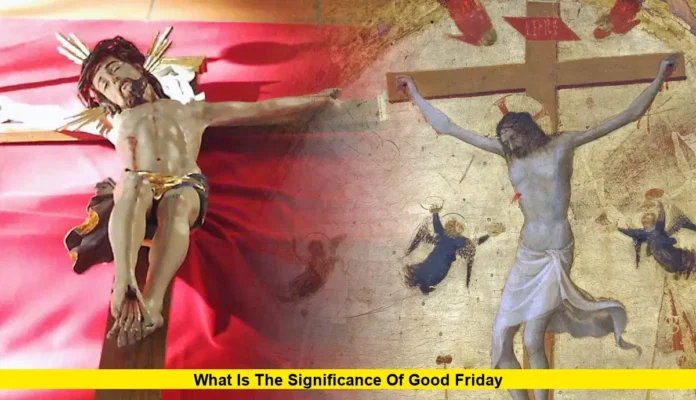

Every year, as Easter approaches, a familiar question begins trending across the United States: What Is the Significance of Good Friday and why does it still hold such a powerful place in modern life? In 2026, that curiosity is especially visible online, with people turning to social media, search platforms, and community discussions to better understand the meaning behind this solemn day.
Good Friday, observed during Holy Week, marks the crucifixion of Jesus Christ and his death at Calvary. While it is not a federal holiday in the U.S., it remains one of the most important observances in Christianity, drawing attention not just from believers but also from those interested in its cultural and historical importance.
As conversations grow across platforms, more people are revisiting the deeper message behind Good Friday—and why it continues to resonate today.
Curious how others are interpreting Good Friday this year? Keep reading to see the key moments and reactions shaping the conversation.
What Started the Conversation
Each year, Good Friday sparks renewed interest as churches hold services, communities gather, and online discussions pick up momentum. In 2026, the timing of Easter and increased digital engagement have brought even more attention to the day.
Search trends show a surge in people asking about its meaning, while social feeds are filled with reflections, quotes, and personal interpretations. For many, it’s not just about religion—it’s about understanding a story that has influenced centuries of history, art, and belief.
What People First Notice About Good Friday
One of the first things people notice is the tone of the day. Unlike many holidays, Good Friday is not celebratory.
Instead, it is marked by:
- Quiet reflection
- Prayer and church services
- A focus on sacrifice and remembrance
Many churches dim lights, hold solemn gatherings, and recount the final hours of Jesus’ life. This atmosphere often surprises those encountering the observance for the first time.
How Social Media Is Reacting
Social platforms are playing a major role in how Good Friday is understood today.
Across the U.S., users are sharing:
- Personal reflections on faith and forgiveness
- Images of crosses and candlelit services
- Short explanations of the day’s meaning
- Messages about hope and renewal
Some posts focus on religious teachings, while others highlight broader themes like compassion, sacrifice, and second chances. The variety of perspectives has made the topic widely accessible, even to those outside religious communities.
Why the Name “Good Friday” Gets People Talking
One of the most discussed aspects online is the name itself.
Many users ask: why is a day associated with suffering called “good”?
The answer lies in its meaning rather than the event. Christians view Good Friday as “good” because it represents the ultimate act of love and sacrifice, leading to the resurrection celebrated on Easter Sunday.
This contrast—between tragedy and hope—is one of the reasons the day continues to spark conversation year after year.
The Core Meaning Behind the Day
At its heart, Good Friday represents a powerful message.
It commemorates the belief that Jesus willingly sacrificed himself for humanity. For believers, this act symbolizes:
- Forgiveness of sins
- Redemption
- Unconditional love
Even beyond religious contexts, these themes resonate widely. Many people reflect on personal growth, resilience, and the importance of compassion.
What Church Services Reveal About Its Importance
Churches across the United States hold special services on Good Friday, often between noon and 3 p.m., reflecting the hours traditionally associated with the crucifixion.
These services typically include:
- Readings from the Bible
- Silent prayer
- Moments of reflection
- Music that emphasizes the solemn tone
Unlike Easter Sunday, which is joyful, Good Friday services are intentionally quiet and contemplative.
Why Good Friday Still Matters in Modern Life
Despite rapid changes in society, Good Friday continues to hold relevance.
Its themes connect with universal human experiences:
- Facing hardship
- Finding meaning in sacrifice
- Holding onto hope during difficult times
For many, it offers a rare opportunity to pause and reflect in an otherwise fast-paced world.
How Different Communities Observe the Day
Observances can vary widely depending on location and tradition.
In the United States:
- Some people attend church services
- Others fast or avoid certain foods
- Many spend time in quiet reflection
In other parts of the world, large processions and reenactments take place, drawing thousands of participants and spectators.
Why It Trends Every Year
The question What Is the Significance of Good Friday trends annually for several reasons.
First, it is tied to Easter, one of the most widely recognized holidays. Second, its meaning is not immediately obvious, especially to those unfamiliar with Christian teachings.
Finally, its emotional depth—centered on sacrifice and hope—makes it a topic people return to again and again.
What Happens Next
After Good Friday, the focus shifts to Easter Sunday, which celebrates the resurrection of Jesus.
This transition—from sorrow to joy—is central to the story. It highlights the belief that suffering is not the end, but part of a larger journey toward renewal and hope.
For many, understanding Good Friday makes Easter more meaningful.
The Bigger Picture
Good Friday is more than a religious observance. It is a day that invites reflection on values that transcend belief systems.
Whether through faith, culture, or personal interpretation, its message continues to influence how people think about sacrifice, forgiveness, and the possibility of new beginnings.
That enduring relevance is why the conversation keeps growing—and why so many continue to ask what it truly means.
What does Good Friday mean to you this year? Share your thoughts or check back for more trending stories and insights.