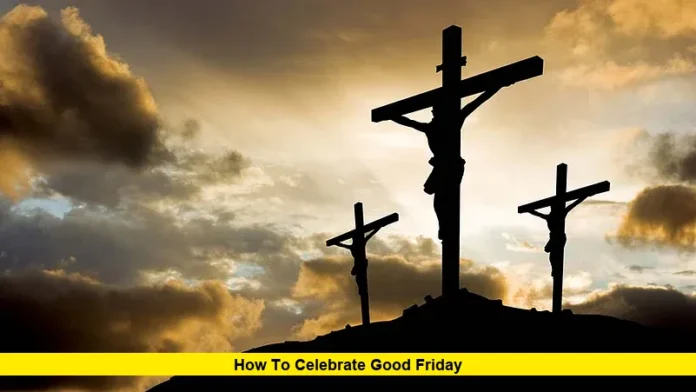

As the spring holiday season unfolds across the United States, many Americans are searching for guidance on How to Celebrate Good Friday in a way that feels both meaningful and relevant in today’s fast-changing world. Once observed quietly within church communities, Good Friday has increasingly become part of a broader national conversation about faith, reflection, and modern spirituality.
The topic is trending this year as more people—especially younger generations—seek ways to connect with tradition while adapting it to contemporary lifestyles. With workplaces, schools, and digital platforms acknowledging the day more visibly than before, Good Friday is no longer just a religious observance—it’s a cultural moment.
If you’re wondering how Americans are approaching this day in 2026, keep reading as the story continues to evolve.
Why the Topic Is Trending
In recent years, Good Friday has seen a noticeable rise in online searches and public discussion. In 2026, that trend has intensified.
Several factors are driving this surge:
- Increased interest in spirituality and mindfulness
- Greater visibility of religious holidays in workplaces and media
- The expansion of hybrid and digital worship experiences
- A growing emphasis on intentional living and reflection
Many Americans are not just observing the day—they’re actively redefining what it means.
Read Also-Are Banks Closed on Good Friday
Background: What Good Friday Represents
Good Friday is a central observance in Christianity, commemorating the crucifixion of Jesus Christ. It falls during Holy Week, two days before Easter Sunday.
Traditionally, the day is marked by:
- Church services focused on scripture and prayer
- Fasting or abstaining from certain foods
- Quiet reflection and solemn remembrance
Unlike celebratory holidays, Good Friday carries a somber tone, emphasizing sacrifice, humility, and redemption.
For decades, observance in the U.S. remained relatively consistent—largely centered around church attendance and personal devotion.
What Triggered the Current Discussion
The shift in how Americans approach Good Friday began gaining attention during the early 2020s.
When in-person gatherings were limited nationwide, churches moved services online. This change opened participation to a wider audience, including people who had never previously attended.
Since then, several developments have fueled ongoing discussion:
- Churches continuing to offer livestream and on-demand services
- Social media amplifying personal reflections and faith-based content
- Communities organizing service projects tied to the holiday
- Younger audiences engaging through podcasts, apps, and digital devotionals
These changes transformed Good Friday from a private observance into a more visible and shared experience.
Public Reaction
Public response to this evolution has been mixed but largely positive.
Many Americans appreciate the increased accessibility. Virtual services allow participation regardless of location, while flexible observance options make it easier for people with busy schedules to engage.
At the same time, some traditionalists have expressed concern about maintaining the solemn nature of the day. They emphasize the importance of preserving its spiritual depth amid modern adaptations.
Across social platforms, common themes include:
- Sharing personal reflections and gratitude
- Encouraging acts of kindness and service
- Posting messages about faith and renewal
- Discussing the balance between tradition and change
Overall, the conversation reflects a broader cultural shift—one that values both heritage and adaptability.
What Religious Leaders Are Saying
Faith leaders across denominations have addressed the evolving nature of Good Friday observance.
Many emphasize that while formats may change, the meaning remains constant.
Key messages include:
- The importance of intentional reflection
- Encouraging participation in ways that are accessible and authentic
- Supporting both in-person and digital engagement
- Highlighting service to others as a modern expression of faith
Churches in 2026 are increasingly offering multiple ways to observe the day, including traditional services, interactive experiences, and community outreach initiatives.
Leaders stress that the focus should remain on the purpose of the day—not the method of observance.
Why This Topic Matters
The renewed focus on Good Friday speaks to a larger trend in American life.
More people are seeking:
- Moments of pause in a fast-paced world
- Opportunities for personal reflection
- Ways to connect with community and purpose
- Flexible approaches to long-standing traditions
Understanding How to Celebrate Good Friday today is about more than following a set of practices—it’s about engaging with its meaning in a way that resonates personally.
This shift also highlights how religious observances can evolve without losing their core significance.
It reflects a broader rethinking of tradition across society.
How Americans Are Celebrating in 2026
Across the country, observance now takes many forms, blending traditional practices with modern approaches.
Morning Reflection
Many begin the day with quiet time, reading scripture, meditating, or journaling.
Midday Observance
Some pause during the afternoon hours traditionally associated with the crucifixion.
Acts of Service
Volunteering, donating, or helping others has become a central part of modern observance.
Church Participation
In-person services remain important, while livestream options allow broader access.
Digital Engagement
People are using apps, podcasts, and online communities to reflect and connect.
Family Discussions
Families are increasingly using the day to talk about values, faith, and meaning.
This combination reflects a shift toward inclusivity and accessibility while maintaining the day’s spiritual focus.
What Comes Next
Looking ahead, Good Friday observance is expected to continue evolving.
Trends to watch include:
- Expanded hybrid worship experiences
- Increased use of technology in religious practice
- Greater emphasis on community service
- Continued engagement from younger generations
At the same time, the core message of Good Friday—sacrifice, reflection, and renewal—is unlikely to change.
As society evolves, so too will the ways people choose to observe meaningful moments.
Read also- Is Costco Open on Good Friday 2026
The Bottom Line
Good Friday in 2026 is no longer defined by a single way of observance.
Instead, it reflects a diverse and evolving approach—one that combines tradition with modern life, personal reflection with community action, and faith with accessibility.
For many Americans, the question is no longer whether to observe the day, but how to make it meaningful in their own lives.
Stay with us for more updates on how traditions are evolving across the U.S.—and share how you’re observing Good Friday this year.