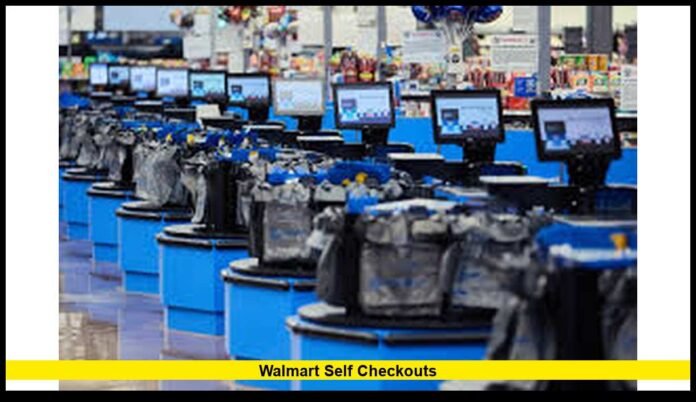

Walmart self checkouts are undergoing noticeable changes across the United States as Walmart adjusts its in-store strategy to improve efficiency, reduce losses, and respond to customer feedback. Shoppers in many locations are already seeing fewer machines, new limits, and a stronger presence of staffed checkout lanes.
These updates are not happening all at once. Instead, Walmart is rolling out a flexible approach that varies by store, region, and customer demand. The result is a checkout experience that looks different depending on where and when you shop.
A Major Shift in Checkout Strategy
For years, self-checkout lanes were a central part of Walmart’s modernization efforts. They promised faster service, shorter lines, and lower labor costs. But recent store-level decisions show that the company is recalibrating how these systems are used.
Rather than fully relying on automation, Walmart is now focusing on balance. That means combining traditional cashier lanes with controlled self-checkout options. This shift reflects a deeper understanding of how customers actually shop in 2026.
Why Walmart Is Rethinking Self-Checkout
Several factors have pushed Walmart to adjust its approach. These changes are not based on a single issue but a combination of operational challenges and customer expectations.
Theft and Loss Prevention
One of the biggest drivers behind the changes is retail shrink. Self-checkout systems have made it easier for both accidental mistakes and intentional misuse to occur.
Common issues include:
- Items not being scanned
- Incorrect product entries
- Barcode switching
- Skipping items entirely
These problems add up quickly, especially in high-traffic stores. By reducing or modifying self-checkout access, Walmart aims to regain control over inventory accuracy.
- Customer Experience Concerns
Not every shopper enjoys using self-checkout. While some prefer speed and independence, others find the systems frustrating.
Frequent complaints include:
- Machines freezing or malfunctioning
- Unexpected alerts during checkout
- Difficulty scanning certain items
- Lack of immediate assistance
For larger grocery trips, many customers feel that traditional cashiers provide a smoother and faster experience.
Staffing and Efficiency
Self-checkout was once seen as a way to reduce staffing needs. In reality, stores still require employees to monitor the area, assist customers, and prevent misuse.
In busy stores, having more cashiers available can actually speed up the checkout process. This realization is influencing how Walmart allocates staff across different checkout options.
What’s Changing Inside Walmart Stores
The most noticeable updates are happening at the store level. These changes are not identical everywhere, but several patterns are emerging across the country.
Reduction of Self-Checkout Machines
Some Walmart locations have significantly reduced the number of self-checkout kiosks. In certain cases, entire sections have been removed and replaced with staffed registers.
This tends to happen in stores where:
- Theft rates are higher
- Customer complaints are frequent
- Monitoring multiple machines is difficult
Time-Based Access
Another change involves limiting when self-checkouts are available. Instead of being open all day, some stores now restrict usage based on traffic levels.
Typical adjustments include:
- Open during slower hours
- Closed during peak shopping times
- Replaced with staffed lanes in the evening
This helps stores manage flow and reduce pressure on employees.
Item Limits
Many locations are introducing item limits for self-checkout use. These limits are designed to keep the system focused on quick transactions.
Common limits include:
- 10 items or fewer
- Express-only lanes
- Separate areas for larger orders
This approach improves speed and reduces errors at the machines.
Increased Monitoring
Where self-checkouts remain, Walmart is increasing oversight. Shoppers may notice more employees stationed near checkout areas.
Additional measures include:
- Real-time monitoring systems
- Enhanced camera coverage
- Faster response to alerts
These changes aim to create a more controlled environment without removing convenience entirely.
Technology Is Still a Priority
Despite reducing some self-checkout options, Walmart is not stepping away from technology. Instead, the company is refining how it is used.
AI-Powered Checkout Systems
New technology is being introduced to improve accuracy and reduce misuse. These systems can:
- Detect when items are not scanned
- Identify unusual behavior
- Alert staff instantly
This allows stores to keep self-checkout available while reducing risk.
Improved Scanning Systems
Updated machines are becoming more reliable. They are better at recognizing items and reducing false alerts, which helps create a smoother experience.
Growth of Mobile Checkout
Mobile checkout is becoming one of the most important developments in retail. Walmart is expanding app-based features that allow customers to:
- Scan items while shopping
- Pay directly through their phone
- Skip traditional checkout lines
This option is gaining popularity, especially among frequent shoppers.
How Customers Are Reacting
Reactions to these changes vary widely. Some shoppers welcome the return of more cashiers, while others prefer the independence of self-checkout.
Positive Feedback
Many customers appreciate the shift toward staffed lanes. They often say:
- Checkout feels more organized
- Large orders move faster
- There is less confusion
For families and bulk shoppers, this change is often seen as an improvement.
Negative Feedback
Other shoppers are less satisfied. They value the control and speed of self-checkout and feel that fewer machines lead to longer waits.
Common concerns include:
- Longer lines during busy hours
- Less flexibility
- Reduced convenience for quick trips
This divide shows why Walmart is not eliminating self-checkouts entirely.
Impact on Employees
The changes are also affecting store employees in meaningful ways.
More Cashier Opportunities
With fewer self-checkout machines in some stores, Walmart is bringing back more traditional cashier roles. This helps balance workloads and improve service during peak hours.
Expanded Responsibilities
Employees are now expected to manage both technology and customer service. Their roles may include:
- Assisting with self-checkout issues
- Monitoring transactions
- Supporting mobile checkout users
This creates a more dynamic front-end environment.
Regional Differences Across the U.S.
Walmart’s approach is not one-size-fits-all. Each store adapts based on local conditions.
Urban Locations
Stores in busy cities are more likely to reduce self-checkout availability. These locations often deal with:
- Higher traffic
- Increased theft concerns
- Greater need for staff oversight
Suburban Stores
Suburban locations tend to use a balanced approach. Self-checkouts remain available but with limits and improved monitoring.
Rural Areas
In smaller communities, self-checkouts are often still widely available. These stores typically experience:
- Lower theft rates
- Less congestion
- More consistent usage patterns
What This Means for Your Shopping Experience
The changes are already affecting how people shop at Walmart.
Short-Term Effects
Shoppers may notice:
- Fewer self-checkout options
- Longer lines during peak hours
- More visible staff presence
These adjustments may take some getting used to.
READ ALSO – Why Walmart Is Ditching Self Checkout
Long-Term Benefits
Over time, the changes aim to deliver:
- More reliable checkout systems
- Faster service for large orders
- Reduced frustration from errors
The goal is a smoother experience overall.
Comparing Checkout Options
| Feature | Self-Checkout | Cashier Checkout |
|---|---|---|
| Best for small trips | Yes | Sometimes |
| Best for large carts | No | Yes |
| Speed consistency | Varies | More stable |
| Error frequency | Higher | Lower |
| Customer control | High | Lower |
| Assistance level | Limited | Full support |
This comparison highlights why Walmart is adjusting how each option is used.
The Future of Walmart Self Checkouts
Looking ahead, Walmart’s strategy will continue to evolve as new technology and customer habits shape the retail landscape.
Fully Automated Checkout
Future systems may allow customers to shop without scanning items at all. Cameras and sensors could automatically track purchases and process payments instantly.
Expansion of Cashier-Less Stores
Smaller-format stores may adopt cashier-less models where checkout happens automatically. These environments are easier to control and test new technology.
Increased Mobile Integration
Mobile checkout is expected to grow rapidly. As more shoppers use smartphones for payments, traditional checkout methods may become less central.
Personalized Shopping Experiences
Technology may soon adapt to individual customers. Features could include:
- Faster checkout for frequent shoppers
- Customized payment options
- Personalized in-store recommendations
What Shoppers Should Do Now
To adjust to these updates, shoppers can take a few simple steps:
- Shop during off-peak hours when possible
- Use mobile checkout features if available
- Keep self-checkout purchases small
- Expect occasional delays during busy times
Understanding how your local store operates will make each visit smoother.
Final Thoughts
Walmart self checkouts are entering a new phase, shaped by real-world challenges and evolving customer expectations. The company is not abandoning the technology, but it is using it more carefully and strategically.
As these changes continue, shoppers will likely experience a mix of traditional service and modern convenience. Some visits may feel more automated, while others will rely on human interaction.
The retail experience is shifting, and Walmart is adjusting in real time. How these changes affect you will depend on how you shop—and how your local store chooses to adapt.
What has your experience been like with these updates? Share your thoughts and keep checking back for the latest changes in stores near you.
FAQs
1. Are Walmart self checkouts going away completely?
No, they are not being removed entirely. Availability depends on the store and location.
2. Why are some self-checkouts limited or closed?
Stores are adjusting them to reduce theft, improve efficiency, and manage customer flow.
3. Is mobile checkout replacing self-checkout?
Mobile checkout is growing, but it is being used alongside other checkout options, not as a full replacement.
Disclaimer
This article is for informational purposes only and reflects current developments at the time of writing. Store policies, checkout availability, and features may vary by location and can change without notice. Readers should check with their local store for the most accurate and updated information.