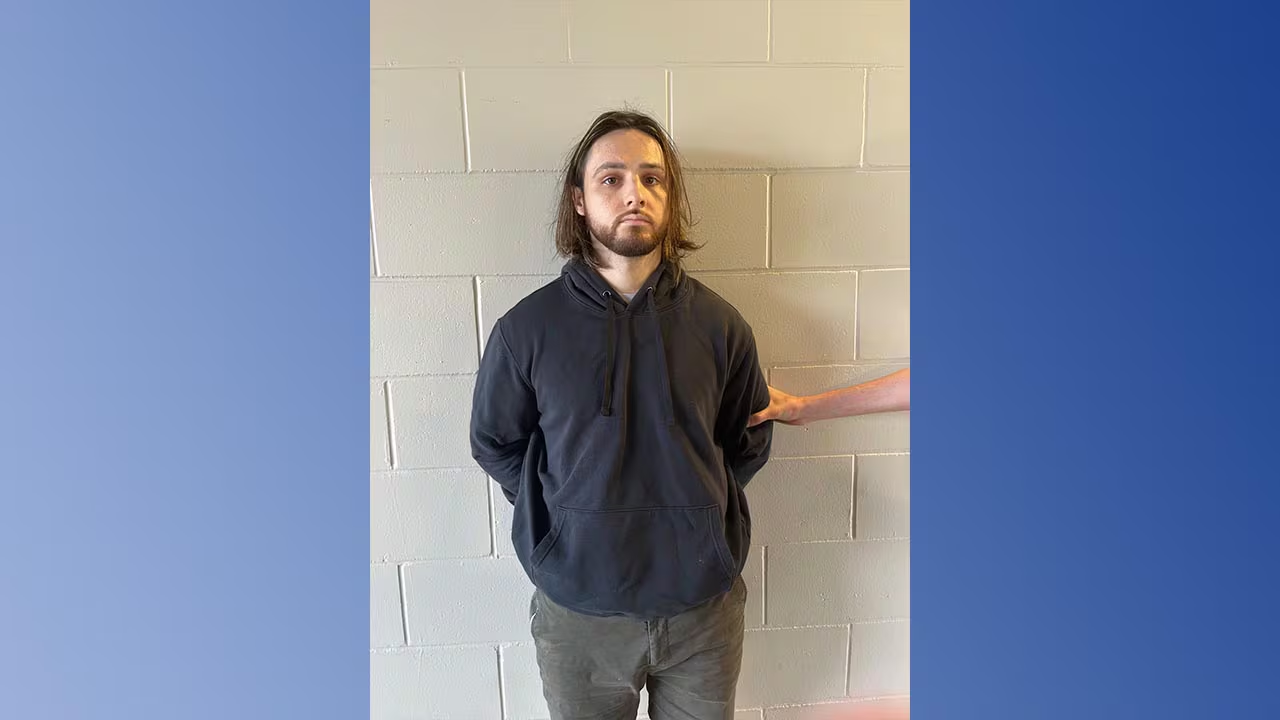

The Jonathan Rinderknecht background has attracted renewed national attention following his conviction in the federal case connected to the devastating January 2025 Palisades Fire in Los Angeles. The former Los Angeles resident, who worked as a rideshare driver, was found guilty on November 20, 2026, of federal charges involving the fire that ultimately killed 12 people and destroyed thousands of structures.
Rinderknecht’s case has drawn attention to his personal history, his family, his life before the fire, the prosecution’s allegations about his possible motive, and the evidence presented during two federal trials. While investigators and prosecutors described a series of circumstances surrounding the January 1, 2025, fire, the defense disputed the government’s theory and challenged the evidence.
With the guilty verdict now delivered, the case has entered a new phase, with sentencing scheduled for March 2027.
Who Is Jonathan Rinderknecht?
Jonathan Rinderknecht, also known by the names Jonathan Rinder and Jon Rinder, is a former Los Angeles resident who was convicted of federal crimes connected to the initial fire that prosecutors say eventually developed into the deadly Palisades Fire.
He was 30 years old at the time of his November 2026 conviction. Before the case became a major national news story, Rinderknecht had lived in different parts of Southern California and reportedly had connections to Florida and France through his personal and family background.
Public reporting has described him as a rideshare driver who was working on New Year’s Eve 2024. Prosecutors said he was driving Uber passengers in Los Angeles during the hours before the fire began.
His name became nationally recognized after federal investigators connected him to the January 1, 2025, Lachman Fire, which authorities said continued smoldering underground before reigniting several days later.
Jonathan Rinderknecht Background and Early Life
Information about Rinderknecht’s childhood and early life remains relatively limited compared with the extensive reporting surrounding the criminal case.
Available reporting indicates that his family had connections to missionary work and traveled between different locations during his upbringing. His parents, Jennifer and Joel Rinderknecht, have been identified in public reporting, with accounts describing connections to the United States and France.
The family’s background reportedly involved travel and religious communities, although a complete public timeline of Rinderknecht’s childhood, education, schools, and residences has not been established.
Reports have connected his personal history to locations including Florida, Hollywood, Pacific Palisades, and parts of France. These locations reflect different aspects of his reported background, but they should not be interpreted as a complete residential history.
Unlike public figures whose childhoods and professional careers are extensively documented, Rinderknecht’s personal background has largely become known through investigative reporting, court proceedings, and records associated with the federal prosecution.
Where Did Jonathan Rinderknecht Live?
Reports about Rinderknecht’s background have connected him to several locations over the years.
Florida: His family reportedly had roots in Florida, and public reporting has described his mother as originally from the state.
France: His father has been identified in reporting as a French citizen, and accounts have described the family as having lived in France.
Hollywood, Los Angeles: Reporting before the arrest connected Rinderknecht to a Hollywood-area residence.
Pacific Palisades: Prosecutors said Rinderknecht had previously lived in the Pacific Palisades area and returned there during the night of January 1, 2025.
These connections have become part of the public discussion about his life before the fire investigation. However, publicly available information does not establish every location where he lived or provide a complete timeline of his movements throughout childhood and adulthood.
What Did Jonathan Rinderknecht Do Before the Palisades Fire Case?
Before the criminal case, Rinderknecht reportedly worked as an Uber driver in Los Angeles.
Prosecutors said he was driving passengers during New Year’s Eve 2024 and that several passengers remembered him appearing angry or emotionally frustrated during the night. According to the government’s account, he dropped off his final passenger in Pacific Palisades before traveling toward an area where he had previously lived.
Investigators later examined cellphone information, digital records, surveillance footage, location data, and other evidence as they developed their case.
The government argued that the digital information and other investigative findings helped establish Rinderknecht’s location and activities during the period when the initial fire began.
The defense, however, challenged the prosecution’s interpretation of the evidence and argued that investigators had not conclusively established the cause of the initial fire.
How Jonathan Rinderknecht Became the Palisades Fire Suspect
The investigation centered on a smaller fire known as the Lachman Fire, which began shortly after midnight on January 1, 2025.
Federal prosecutors alleged that Rinderknecht intentionally ignited the fire in an area near a hiking trail in Pacific Palisades. According to the government’s case, the fire was initially suppressed by firefighters but continued to smolder underground in vegetation and root systems.
On January 7, 2025, powerful winds and dangerous fire conditions contributed to the fire’s reemergence and spread. Prosecutors argued that the original Lachman Fire developed into what became the Palisades Fire.
The resulting wildfire devastated Pacific Palisades and surrounding communities, killing 12 people and destroying thousands of structures.
The connection between the initial fire and the larger wildfire became one of the central issues in the federal prosecution.
What Was Jonathan Rinderknecht’s Alleged Motive?
The question of Jonathan Rinderknecht motive has been one of the most closely searched aspects of the case.
During the prosecution, federal authorities presented evidence and argued that Rinderknecht had been experiencing anger, frustration, and personal dissatisfaction in the days leading up to the fire. Prosecutors discussed his emotional state, including alleged frustration about loneliness, relationships, and his broader circumstances.
The government also presented evidence concerning digital activity and media that prosecutors said was relevant to understanding his state of mind before the fire.
However, the prosecution’s motive theory was contested. The defense challenged the government’s interpretation of Rinderknecht’s behavior and argued that the evidence did not establish that he deliberately started the Lachman Fire.
It is important to distinguish between the prosecution’s arguments about motive and the jury’s actual verdict. The jury convicted him on the federal charges, but motive-related claims should be described as evidence and arguments presented during the case rather than treated as a complete explanation of his personal psychology.
What Did Prosecutors Say About His State of Mind?
Prosecutors described Rinderknecht as experiencing intense frustration and anger during the period leading up to the initial fire.
Their case included examination of his activities on New Year’s Eve, his interactions with rideshare passengers, his location in Pacific Palisades, and digital evidence gathered during the investigation.
The government argued that these circumstances supported its conclusion that the initial fire was intentionally started.
The defense disputed the prosecution’s interpretation, arguing that investigators had focused too heavily on Rinderknecht and that the evidence did not conclusively establish that he started the fire.
The jury ultimately accepted the prosecution’s case sufficiently to return guilty verdicts on both federal counts.
Jonathan Rinderknecht Parents: Who Are Jennifer and Joel Rinderknecht?
Searches about Jonathan Rinderknecht parents have increased as readers seek information about his family and childhood.
Public reporting identifies his parents as Jennifer Rinderknecht and Joel Rinderknecht. Reports have described the family as having a missionary background and connections to both the United States and France.
Jennifer has reportedly been associated with Florida, while Joel has been identified in reporting as a French citizen. Accounts have also described the couple as having lived in France and traveled through different communities during their missionary activities.
Their personal lives have not been extensively documented. Most public information about them has appeared in coverage examining Jonathan’s background or their involvement in the court proceedings.
There is no publicly established evidence that either parent was involved in the criminal conduct alleged in the federal case. The charges and conviction concern Jonathan Rinderknecht.
What Has Jonathan Rinderknecht’s Father Said?
Joel Rinderknecht has received attention because of his presence during court proceedings and public comments following the first trial.
The first federal trial ended in June 2026 after jurors failed to reach a unanimous verdict. Reports described the jury as divided, with 10 jurors favoring acquittal and two favoring conviction.
After the mistrial, Rinderknecht’s father expressed support for his son and frustration with the continuing legal process. Those comments reflected the family’s position at the time, when the case had not yet resulted in a conviction.
The second trial produced a different outcome. On November 20, 2026, the jury found Jonathan Rinderknecht guilty on both federal charges.
The change in the case’s legal status is significant because the first trial had ended without a final verdict, while the second proceeding resulted in convictions.
Does Jonathan Rinderknecht Have Siblings?
Public reporting has referenced Jonathan Rinderknecht’s siblings during the legal proceedings.
His family members reportedly attended portions of the earlier trial, and his sister Leah Rinderknecht was mentioned in coverage following the mistrial. Public information about the siblings’ personal lives, education, occupations, and relationships remains limited.
Their involvement in public reporting has primarily been connected to their relationship with Jonathan and their attendance or comments surrounding the legal proceedings.
There is no verified public evidence establishing that his siblings participated in the fire-setting activity alleged by prosecutors. They are not defendants in the federal case.
The First Trial Ended in a Mistrial
The case initially went to trial in 2026, but the jury was unable to reach a unanimous decision.
The reported 10-2 division in favor of acquittal resulted in a mistrial. The outcome was a setback for prosecutors, who had sought to prove that Rinderknecht deliberately started the fire.
A mistrial is not the same as an acquittal. It means that the first proceeding did not produce a final verdict because the jury could not reach the required unanimous decision.
Federal prosecutors subsequently pursued another trial after revising the charges.
The first trial also generated extensive debate about the government’s fire-origin theory, the available digital evidence, and whether the evidence sufficiently established that the initial blaze had been deliberately set.
The Second Trial and November 2026 Guilty Verdict
The federal retrial took place in November 2026, with prosecutors pursuing two revised charges.
The case focused on the alleged deliberate ignition of the Lachman Fire and the destruction of property connected to the fire. Prosecutors presented evidence that included digital records, cellphone location information, investigative findings, witness testimony, and other material.
The defense challenged the government’s theory and disputed whether investigators had conclusively established the fire’s origin and cause.
After the trial and deliberations, a federal jury found Rinderknecht guilty on November 20, 2026, of:
- Destruction of property by means of fire
- Arson affecting property used in interstate commerce
The conviction marked a major development in the prosecution and represented a different outcome from the first trial’s deadlock.
The official federal case information is available through the U.S. Department of Justice’s Jonathan Rinderknecht case page.
What Charges Was Jonathan Rinderknecht Convicted Of?
Rinderknecht was convicted of two federal offenses connected to the fire:
| Federal charge | What it concerns |
|---|---|
| Destruction of property by means of fire | The alleged malicious destruction of property through the fire |
| Arson affecting property used in interstate commerce | The federal arson offense connected to property affected by the fire |
The revised indictment narrowed the prosecution’s approach following the first trial. The second trial resulted in guilty verdicts on both counts.
For readers seeking the legal details, the federal government has published information about the case, including the charges and court proceedings, through its official case page.
How Devastating Was the Palisades Fire?
The Palisades Fire became one of the most destructive wildfires in Los Angeles history.
The fire caused catastrophic damage across Pacific Palisades and surrounding communities, including residential areas and businesses. It resulted in 12 deaths and the destruction of thousands of structures, leaving families displaced and communities facing years of recovery.
The fire’s impact extended far beyond the immediate burn area. Residents faced housing disruption, property losses, rebuilding challenges, insurance complications, and emotional trauma.
The case against Rinderknecht has remained closely connected to the fire’s devastating consequences because prosecutors argued that the initial January 1 fire eventually developed into the larger January 7 wildfire.
The scale of the destruction also explains why the federal prosecution attracted national attention.
What Evidence Was Presented During the Retrial?
The prosecution presented several categories of evidence during the second trial.
Digital and cellphone evidence: Investigators examined location information and other digital records to establish where Rinderknecht was during the relevant period.
Surveillance and investigative evidence: Prosecutors presented material they said supported their account of his movements and activities.
Fire-science evidence: The government presented evidence supporting its theory that the initial fire was deliberately ignited and that it continued smoldering before later spreading.
Witness testimony: Testimony was used to establish details about Rinderknecht’s activities and circumstances surrounding the fire.
Behavior following the fire: Prosecutors also examined his reported actions and statements after the blaze began.
The defense challenged aspects of the evidence and questioned the government’s conclusions regarding the origin and progression of the fire.
The jury’s guilty verdict means that it found the prosecution’s evidence sufficient to convict him on the two charges presented during the retrial.
Why the First Fire Was Central to the Case
The federal prosecution focused on the relationship between the Lachman Fire and the later Palisades Fire.
The initial blaze began on January 1, 2025. According to the prosecution’s theory, the fire was suppressed but remained active underground in root systems and vegetation.
Several days later, dangerous weather conditions helped the fire emerge and spread.
The government argued that the original fire and the later Palisades Fire were connected events. This connection was central to establishing the prosecution’s case because the larger wildfire caused the deaths, widespread destruction, and massive community losses.
The defense disputed the government’s fire-origin and fire-progression theory, making the relationship between the two fires a major issue during the proceedings.
What Happens Next in Jonathan Rinderknecht’s Case?
Following the guilty verdict, the next major stage is sentencing.
The federal court has scheduled Rinderknecht’s sentencing for March 17, 2027. The sentencing hearing will determine the punishment imposed following his conviction.
The federal charges carry significant potential prison penalties. According to the government, the sentencing process will consider the applicable federal statutes and the circumstances of the convictions.
Additional legal developments could occur before sentencing, including post-trial motions or other court filings. The defense may also pursue legal options following the verdict.
Readers can monitor official developments through the U.S. Department of Justice’s case updates, which provide information about proceedings and case-related announcements.
Why the Case Continues to Attract National Attention
The Palisades Fire case has drawn national attention because it involves the intersection of criminal investigation, wildfire destruction, digital evidence, fire science, and the challenges of establishing responsibility for a catastrophic disaster.
The first trial’s deadlock created significant uncertainty. The subsequent retrial and guilty verdict changed the direction of the case and renewed public interest in Rinderknecht’s personal background.
Readers interested in the family details can also read Jonathan Rinderknecht’s family background, parents and childhood information, which examines the publicly reported information about his relatives and upbringing.
For additional coverage of the original investigation, see the report on the Palisades Fire arrest and the federal investigation.
What Readers Should Watch Next
The next major development is the sentencing hearing scheduled for March 17, 2027.
Several issues may remain important as the case moves forward:
- The sentence imposed by the federal court.
- Any post-trial motions filed by the defense.
- Whether the defense pursues an appeal.
- Additional court filings or legal developments.
- Official updates concerning the federal case.
The conviction represents a significant legal milestone, but the case may continue through additional proceedings after sentencing.
For residents and families affected by the Palisades Fire, the criminal case is only one part of the broader aftermath. Recovery, rebuilding, insurance disputes, housing issues, and the long-term impact of the wildfire remain important concerns across the affected communities.
Official information about the fire and its recovery can be found through CAL FIRE’s Palisades Fire incident information and Los Angeles County’s Palisades Fire recovery resources.
Conclusion
Jonathan Rinderknecht’s background has become a major subject of public interest following his conviction in the federal Palisades Fire case. Public reporting describes his family connections, missionary-related upbringing, residences in different locations, and work as a rideshare driver before the investigation.
The criminal case has moved from an initial mistrial to a November 2026 conviction, with sentencing scheduled for March 17, 2027. While questions about his personal history and alleged motive continue to attract attention, the most important developments now concern the legal consequences of the guilty verdict and the continuing impact of the Palisades Fire on affected communities.
What do you think about the latest developments in the Jonathan Rinderknecht case? Share your thoughts in the comments and stay tuned for further updates.