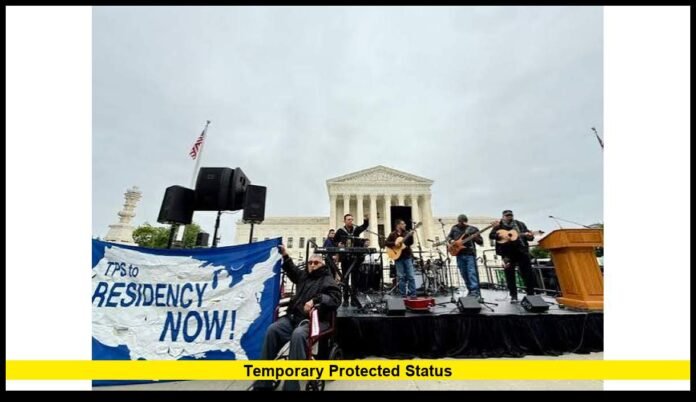

Temporary Protected Status remains one of the most significant humanitarian immigration programs in the United States as legal and policy developments continue throughout 2026. Recent federal court activity has placed the program back in the national spotlight, especially after a major U.S. Supreme Court decision allowed the federal government to move forward with ending Temporary Protected Status for certain designated countries while legal challenges continue.
The latest developments have raised important questions for immigrants, employers, attorneys, and communities across the country. Although the program continues to provide lawful protection for eligible individuals from designated nations, recent court decisions have changed the legal landscape surrounding future TPS designations and terminations.
This guide explains how TPS works, who qualifies, the latest legal updates, and what these developments mean for current beneficiaries and employers across the United States.
What Is Temporary Protected Status?
Temporary Protected Status, commonly known as TPS, is a humanitarian immigration benefit created by Congress under the Immigration and Nationality Act.
The program allows eligible nationals from certain countries already living in the United States to remain temporarily if conditions in their home country make a safe return impossible. Those conditions may include ongoing armed conflict, severe natural disasters, or other extraordinary situations that threaten public safety.
Unlike permanent immigration programs, TPS offers temporary relief while dangerous conditions continue abroad.
Individuals granted TPS generally receive protection from deportation during the designation period and may also obtain authorization to work legally in the United States.
However, TPS does not automatically provide permanent resident status or U.S. citizenship.
Major Temporary Protected Status Update in 2026
One of the most important immigration developments this year came in late June when the U.S. Supreme Court ruled that the Department of Homeland Security could proceed with ending TPS protections for Haiti and Syria.
The Court determined that federal law grants broad authority to the executive branch in deciding whether TPS designations should continue or end. The ruling also limited the ability of lower federal courts to block many of those decisions while lawsuits remain pending.
Although litigation involving immigration policy continues in other areas, the Supreme Court’s decision represents a major legal milestone for TPS administration.
The decision does not eliminate the TPS program itself. Instead, it affects how future challenges to termination decisions may proceed in federal courts.
Read More – Federal Judge Blocks Trump Administration’s Move to End Yemen TPS
Why the Supreme Court Decision Is Important
The latest ruling carries consequences beyond the countries directly involved in the case.
For years, federal courts frequently delayed the termination of TPS designations by issuing nationwide injunctions while lawsuits continued. Those rulings often allowed beneficiaries to keep their work authorization and legal protections longer than initially planned.
The Supreme Court concluded that Congress intended to give the Secretary of Homeland Security significant discretion over TPS decisions. As a result, future legal challenges seeking to stop terminations before they take effect may face a much higher standard.
Immigration attorneys expect the decision to influence future litigation involving other TPS designations.
Countries Currently Receiving TPS
The Department of Homeland Security designates countries individually after reviewing conditions on the ground.
Countries have received TPS because of circumstances such as:
- Armed conflict
- Civil unrest
- Earthquakes
- Hurricanes
- Political instability
- Humanitarian emergencies
- Public safety concerns
Each designation includes specific eligibility dates, registration periods, and expiration dates.
Not every national of a designated country automatically qualifies. Applicants must meet all legal requirements established for that designation.
How Temporary Protected Status Is Granted
Before granting TPS, federal officials evaluate whether conditions in a country prevent its citizens from returning safely.
The Department of Homeland Security reviews information involving:
- National security
- Humanitarian conditions
- Public infrastructure
- Government stability
- Recovery efforts after disasters
- Ongoing violence
- Public health emergencies when applicable
After completing the review, DHS may announce one of three decisions:
- Extend the current designation
- Redesignate the country
- End the designation
These announcements are typically accompanied by registration instructions and employment authorization guidance.
Who Can Qualify for TPS?
Eligibility depends on several legal requirements established under federal immigration law.
Applicants generally must:
- Be a national of a designated country or meet eligibility rules as someone without nationality who last habitually lived there.
- Have continuously resided in the United States since the date established for that designation.
- Meet continuous physical presence requirements.
- File during the required registration period or qualify for late registration.
- Pass security and background screenings.
- Remain otherwise eligible under immigration law.
Each country’s designation includes different residence dates, making those deadlines especially important.
Who Is Not Eligible?
Certain applicants cannot receive TPS.
Common reasons for ineligibility include:
- Certain felony convictions.
- Multiple qualifying misdemeanor convictions.
- Security-related concerns.
- Failure to satisfy continuous residence requirements.
- Failure to meet statutory eligibility standards.
USCIS evaluates every application individually before making a final decision.
Employment Authorization Under TPS
One of the program’s most valuable benefits is the ability to work legally in the United States.
After approval, beneficiaries may receive an Employment Authorization Document, commonly called an EAD.
This document allows individuals to accept lawful employment while their TPS designation remains valid.
Many sectors of the American economy employ workers protected by TPS, including:
- Health care
- Hospitality
- Construction
- Food processing
- Manufacturing
- Transportation
- Home care services
- Agriculture
Employers should continue monitoring official government announcements regarding employment authorization validity periods and any automatic extensions that may apply.
Travel Rules for TPS Holders
TPS does not automatically allow international travel.
Individuals generally must receive travel authorization before leaving the United States.
Traveling abroad without appropriate authorization could affect immigration status and create complications upon returning.
Anyone considering international travel should carefully review current government requirements before making plans.
Does TPS Lead to a Green Card?
A common misunderstanding is that TPS automatically leads to lawful permanent residence.
That is not the case.
TPS provides temporary humanitarian protection only.
Some beneficiaries may independently qualify for another immigration benefit through:
- Family-sponsored petitions
- Employment-based immigration
- Asylum
- Other immigration programs established under federal law
Those immigration options require separate applications and separate eligibility standards.
How Often Is TPS Reviewed?
Federal law requires regular review of every TPS designation.
Government officials examine whether the original conditions that justified protection still exist.
During each review, DHS evaluates developments involving:
- Political stability
- Armed conflict
- Infrastructure recovery
- Public safety
- Humanitarian concerns
- Disaster recovery progress
If officials determine that conditions have improved sufficiently, they may announce termination of the designation.
If dangerous conditions continue, TPS may be extended.
How the Latest Court Decision Could Affect Future Cases
Legal experts believe the Supreme Court ruling will shape future TPS litigation.
The decision emphasizes the authority granted to the executive branch under the Immigration and Nationality Act.
Although lawsuits involving immigration policies are likely to continue, federal courts may have less authority to prevent TPS termination decisions from taking effect during ongoing litigation.
This legal framework could influence future cases involving other designated countries.
What Employers Should Know
Businesses employing TPS beneficiaries should remain attentive to government announcements.
Human resources departments should monitor:
- Employment authorization expiration dates.
- Form I-9 compliance requirements.
- Automatic work permit extensions when announced.
- Updated DHS implementation guidance.
Employers should avoid making employment decisions based solely on media reports and instead follow official federal guidance.
Economic Contributions of TPS Beneficiaries
TPS holders contribute to communities throughout the United States.
Many work in industries facing ongoing labor shortages and provide essential services that support local economies.
They pay taxes, operate businesses, purchase homes, and contribute to neighborhoods across the country.
Their participation in the workforce has made TPS an important issue not only in immigration policy but also in discussions involving economic stability and labor markets.
Frequently Asked Questions
Is Temporary Protected Status still available in 2026?
Yes. TPS remains an active humanitarian program. Eligibility depends on whether an applicant’s country is currently designated and whether all legal requirements are satisfied.
Did the Supreme Court eliminate TPS?
No. The Court did not eliminate the program. It ruled that the federal government may proceed with certain TPS termination decisions and clarified the scope of judicial review.
Can new applicants still apply?
Applications depend on each country’s designation, registration period, and eligibility requirements established by DHS.
Can TPS holders continue working?
Approved beneficiaries generally remain authorized to work while their TPS and employment authorization remain valid under current federal rules.
Does TPS provide permanent legal status?
No. TPS is temporary. It does not automatically provide permanent residency or citizenship.
Looking Ahead
Temporary Protected Status continues to play a vital humanitarian role for thousands of eligible immigrants living in the United States.
Recent Supreme Court action has changed how courts review decisions involving TPS terminations, making the executive branch’s authority more significant than in previous years. Even so, the program remains active for designated countries, and DHS continues to evaluate country conditions on an ongoing basis.
Beneficiaries, employers, and legal professionals should continue following official federal announcements regarding designation periods, work authorization, registration deadlines, and future policy decisions. Staying informed is essential because immigration policies can evolve as legal proceedings and administrative reviews continue.
For many families, TPS remains an important safeguard that allows them to live and work lawfully while conditions in their home countries remain unsafe.
Have questions or thoughts about these latest immigration developments? Share your perspective in the comments and return for future updates as Temporary Protected Status continues to evolve.