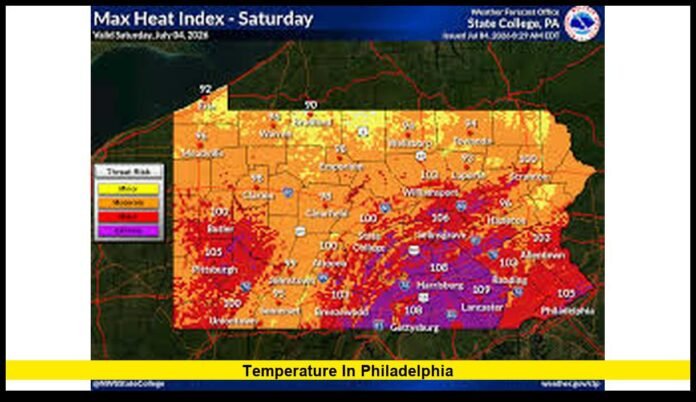

Temperature in Philadelphia remains a major topic for residents and visitors as the city continues through a period of hot summer weather. As of July 5, 2026, conditions have become slightly less intense than the peak heat experienced during the Independence Day holiday, but temperatures remain above the seasonal average. Warm afternoons, elevated humidity, and strong sunshine continue to shape the forecast, making heat safety an important part of daily life across the region.
Whether you’re commuting, attending outdoor events, exercising, or planning family activities, staying informed about the latest weather can help you prepare for changing conditions. Philadelphia is known for warm summers, but the recent stretch of unusually hot weather has reminded many residents just how challenging July can become.
Current Weather Conditions Across Philadelphia
Today’s weather brings another warm day to southeastern Pennsylvania. Morning temperatures started comfortably in the low to mid-70s before climbing steadily under mostly sunny skies.
By the afternoon, temperatures are expected to reach the upper 80s and lower 90s in much of the city. Humidity will continue making it feel warmer than the actual air temperature, especially during the middle of the afternoon.
Current weather highlights include:
| Weather Element | Latest Conditions |
|---|---|
| Morning Temperature | Low to mid-70s |
| Afternoon High | Upper 80s to low 90s |
| Evening Temperature | Low 80s, cooling after sunset |
| Overnight Low | Mid to upper 60s |
| Sky | Mostly sunny |
| Humidity | Moderate to high |
| Wind | Light northwest breeze |
Although today’s temperatures are lower than those recorded during the holiday weekend, they remain warmer than what Philadelphia typically experiences during early July.
Recent Heat Wave Still Influencing the Region
The Philadelphia area has just experienced one of its hottest periods of the summer season.
During the days leading up to and including Independence Day, temperatures climbed close to the 100-degree mark across many neighborhoods. Combined with high humidity, the heat index rose well above the actual air temperature, creating dangerous conditions for anyone spending extended time outdoors.
Many residents adjusted their daily schedules by completing outdoor activities earlier in the morning or waiting until evening when temperatures became more manageable.
Even with today’s slight cooldown, leftover warmth from the recent heat wave continues to influence local weather.
Why Philadelphia Became So Hot
Several weather patterns combined to produce the recent stretch of excessive heat.
A large area of high atmospheric pressure settled over much of the eastern United States. High-pressure systems usually produce sunny skies and prevent widespread cloud development.
Without significant cloud cover, sunlight heated roads, buildings, sidewalks, and open spaces throughout the day. At the same time, warm air flowing northward kept overnight temperatures unusually high.
Normally, cooler nighttime temperatures allow cities to recover after hot afternoons. During this recent event, overnight lows remained elevated, giving little relief before the next day’s heating began.
Humidity Added to the Discomfort
Humidity played an important role throughout the heat event.
When moisture levels remain high, sweat evaporates more slowly from the skin. That natural cooling process becomes less effective, causing people to feel hotter than the thermometer actually indicates.
This is why weather forecasts often mention both the actual temperature and the heat index.
For example:
| Air Temperature | Feels Like |
|---|---|
| 88°F | Around 93°F |
| 90°F | Mid-90s |
| 92°F | Upper 90s |
Even a few degrees of added humidity can significantly increase physical stress during outdoor activities.
How Today’s Weather Compares With Earlier This Week
The most significant improvement is the reduction in extreme temperatures.
Earlier in the holiday weekend:
- Afternoon highs approached 100°F.
- Heat index values exceeded 100°F.
- Very warm nights limited overnight cooling.
- Outdoor events required additional heat precautions.
Today offers slightly cooler conditions, but residents should still expect typical midsummer warmth throughout the afternoon.
The change represents an improvement rather than a complete end to the hot weather pattern.
Typical July Weather in Philadelphia
July is historically one of the warmest months of the year across southeastern Pennsylvania.
Average climate conditions usually include:
| Climate Average | Typical Value |
|---|---|
| Average High | Mid-80s |
| Average Low | Upper 60s |
| Average Humidity | Moderate to high |
Today’s forecast remains several degrees above those seasonal averages, continuing the city’s warmer-than-normal start to July.
Read also – Weather Philadelphia: Winter Storm Brings Snow, Ice, and Hazardous Conditions Across the Region
Afternoon Remains the Hottest Part of the Day
The strongest sunshine usually occurs between late morning and mid-afternoon.
During this period:
- Pavement temperatures rise quickly.
- Vehicles heat rapidly when parked.
- Sidewalks become significantly warmer.
- Direct sunlight increases heat exposure.
Residents planning outdoor activities should remember that shaded locations often feel noticeably cooler than areas exposed to continuous sunshine.
Heat Safety Still Matters
Even though temperatures have eased slightly, warm weather continues to present health risks.
Simple precautions can make a significant difference.
Recommended safety tips include:
- Drink water regularly throughout the day.
- Wear lightweight clothing.
- Use sunscreen when outdoors.
- Take frequent breaks in shaded areas.
- Avoid strenuous activity during peak afternoon heat.
- Never leave children or pets inside parked vehicles.
Older adults, young children, and people with certain medical conditions remain more vulnerable during periods of elevated temperatures.
Philadelphia’s Urban Heat Effect
Large cities often feel warmer than surrounding suburban or rural communities.
Philadelphia experiences what meteorologists call the urban heat island effect.
Buildings, roads, parking lots, and concrete surfaces absorb heat throughout the day.
After sunset, these surfaces slowly release stored warmth back into the atmosphere, keeping nighttime temperatures higher than nearby countryside locations.
This effect becomes especially noticeable after several consecutive hot days.
Impact on Daily Activities
The recent weather has influenced everyday routines across the city.
Many people have adjusted work schedules, exercise routines, and travel plans to avoid the hottest hours of the afternoon.
Popular outdoor destinations often become busiest during the early morning or evening when temperatures are more comfortable.
Sports leagues and recreational programs also encourage participants to stay hydrated and take additional rest breaks during warm conditions.
Travel Conditions During Hot Weather
Drivers should prepare for additional challenges during extended periods of heat.
Vehicle interiors can become extremely hot within minutes after parking in direct sunlight.
Before beginning a trip, motorists should:
- Check coolant levels.
- Carry drinking water.
- Inspect tire pressure.
- Use sunshades when parked.
- Allow extra cooling time before long drives.
These simple steps help improve both comfort and safety during summer travel.
Electricity Usage Increases
Warm weather often leads to higher electricity demand.
Air conditioners work harder as afternoon temperatures climb, particularly during extended heat waves.
Residents can improve energy efficiency by:
- Closing blinds during the afternoon.
- Setting thermostats at comfortable but efficient temperatures.
- Using ceiling fans to improve airflow.
- Limiting unnecessary appliance use during the hottest part of the day.
These habits can also help reduce household energy costs.
Thunderstorm Chances Return
After prolonged periods of hot weather, the atmosphere often becomes more unstable.
As temperatures remain elevated and additional moisture develops, scattered thunderstorms become increasingly possible.
Summer storms may bring:
- Brief heavy rainfall.
- Frequent lightning.
- Gusty winds.
- Localized street flooding.
While rainfall can temporarily cool the air, humidity often remains elevated afterward.
How Philadelphia Residents Can Stay Comfortable
Managing summer heat does not always require major changes.
Small adjustments throughout the day can improve comfort considerably.
Helpful ideas include:
- Begin outdoor chores early.
- Schedule walks during cooler hours.
- Keep reusable water bottles nearby.
- Wear breathable fabrics.
- Stay inside during peak afternoon sunshine when possible.
- Take advantage of air-conditioned public spaces if needed.
These habits become especially valuable during several consecutive warm days.
Summer Weather Can Change Quickly
Although today’s forecast is fairly stable, summertime weather remains highly dynamic.
Morning sunshine can sometimes give way to afternoon clouds or isolated storms.
Daily temperatures may also vary depending on cloud cover, wind direction, and humidity levels.
Checking updated forecasts before leaving home remains one of the easiest ways to stay prepared.
Why Monitoring Local Temperatures Is Important
Accurate weather information helps people make informed decisions throughout the day.
Current temperature updates support planning for:
- Outdoor recreation.
- Sporting events.
- Travel schedules.
- Community activities.
- Construction work.
- Gardening.
- Pet care.
Businesses also rely on weather information to adjust staffing, delivery schedules, and outdoor operations during periods of extreme heat.
Looking Ahead
Philadelphia appears to be moving away from the most dangerous heat experienced during the Independence Day holiday, but warm summer weather remains firmly in place.
Afternoon temperatures are expected to stay above average for early July, while humidity continues to make conditions feel warmer than the thermometer suggests. Residents should continue practicing sensible heat safety, especially during the middle of the day when sunshine is strongest.
Summer weather is a normal part of life across the Philadelphia region, but each heat wave serves as a reminder of the importance of staying hydrated, limiting unnecessary heat exposure, and keeping up with the latest local forecast. As July continues, changing weather patterns may bring occasional thunderstorms along with periods of continued warmth, making daily forecast updates valuable for anyone spending time outdoors.
How has the weather been in your part of Philadelphia today? Share your experience in the comments and stay tuned for the latest local weather updates.