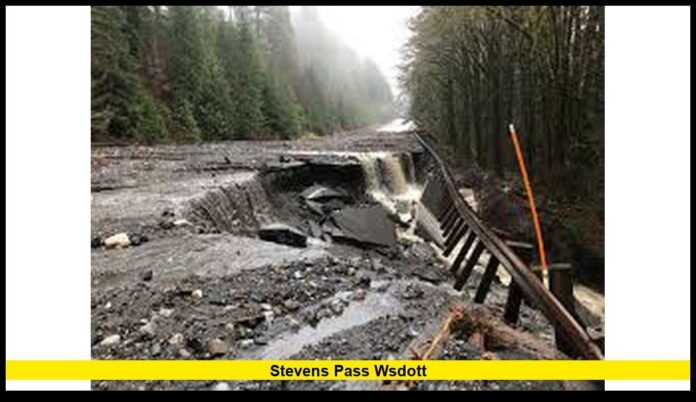

Stevens Pass WSDOT updates remain essential for travelers crossing Washington’s Cascade Mountains as seasonal weather continues to affect U.S. Route 2 in early 2026. The Washington State Department of Transportation actively monitors road conditions, snowfall, and traffic along Stevens Pass, helping drivers navigate one of the most important mountain highways connecting western and central Washington.
Located at about 4,061 feet above sea level, Stevens Pass forms a key transportation corridor through the northern Cascades. U.S. Route 2 climbs through steep forested terrain before reaching the summit near the boundary of King and Chelan counties. The highway provides a direct connection between the Puget Sound region and communities such as Leavenworth and Wenatchee. Because of the high elevation and mountainous terrain, travel conditions can change rapidly during winter storms and early spring weather systems.
Transportation officials maintain constant oversight of the roadway to keep traffic moving safely through the mountain corridor.
Where Stevens Pass Is Located in Washington
Stevens Pass sits within the Cascade Range in central Washington. The summit area lies inside the Okanogan–Wenatchee National Forest and marks the divide between western and eastern Washington watersheds.
U.S. Route 2 runs directly across the pass and connects several important towns.
| Nearby Community | Distance from Pass | Significance |
|---|---|---|
| Skykomish | ~16 miles west | Historic railroad town in the Cascades |
| Index | ~35 miles west | Outdoor recreation gateway |
| Leavenworth | ~35 miles east | Popular tourism destination |
| Wenatchee | ~55 miles east | Major agricultural center |
These communities rely on the highway for tourism, freight transportation, and everyday travel.
Importance of U.S. Route 2 Across the Cascades
Washington has several highways that cross the Cascade Mountains, but Stevens Pass serves a unique role in the northern part of the state.
While Interstate 90 carries higher traffic volumes farther south, U.S. Route 2 provides a critical alternative route between western Washington and central Washington.
The highway supports:
- Freight transportation between agricultural regions and coastal ports
- Travel to mountain recreation areas
- Tourism to Bavarian-themed Leavenworth
- Regional connections between smaller towns
Because the route includes long stretches of two-lane mountain highway, traffic disruptions can have a noticeable impact on travel times.
Elevation and Terrain at the Pass
Stevens Pass sits higher than many other Cascade crossings. The summit elevation reaches just over 4,000 feet, placing it within a climate zone that receives substantial winter snowfall.
The surrounding landscape features:
- Steep mountain slopes
- Dense evergreen forests
- Narrow valleys along river corridors
- High ridgelines prone to heavy snow accumulation
These geographic features contribute to challenging winter driving conditions. Snowfall can begin early in the season and remain in the surrounding mountains into late spring.
Typical Weather Patterns in the Area
Weather systems arriving from the Pacific Ocean bring moisture to the Cascade Mountains throughout the year. When these storms reach higher elevations, precipitation often falls as snow rather than rain.
Conditions at Stevens Pass frequently include:
- Heavy snowfall during winter storms
- Strong winds along exposed ridges
- Fog reducing visibility on the highway
- Freezing nighttime temperatures
Because the pass sits well above nearby lowland cities, the weather can be dramatically different from conditions in Seattle or Everett.
Drivers often encounter snow at the summit even when rain falls in lower elevations.
Winter Snowfall and Storm Activity
Winter remains the most challenging season for travel through Stevens Pass. Snowstorms regularly move across the Cascades between late autumn and early spring.
During active storms, snowfall may accumulate quickly on the roadway.
Travel challenges during winter storms include:
- Reduced visibility due to blowing snow
- Slippery pavement on steep grades
- Slow traffic caused by chain installation areas
- Occasional delays while crews clear snow
Maintenance teams monitor forecasts closely and deploy equipment as soon as snowfall begins.
Snow removal operations often continue around the clock during major storms.
Snow Removal and Highway Maintenance
Keeping U.S. Route 2 open during winter requires constant work from transportation crews. Snowplow teams operate throughout storms to clear lanes and maintain safe driving surfaces.
Maintenance equipment used at Stevens Pass includes:
- Multi-lane snowplows pushing snow off travel lanes
- Sanding trucks spreading traction material
- De-icing trucks applying anti-ice solutions
- Heavy equipment clearing deep snow from shoulders
Crews also monitor drainage systems to prevent meltwater from freezing on the roadway overnight.
These operations allow traffic to continue moving across the pass even during challenging winter conditions.
Avalanche Monitoring and Prevention
Mountain slopes surrounding Stevens Pass sometimes accumulate deep snowpack. Under certain conditions, unstable snow layers can trigger avalanches that threaten highways below.
Transportation teams monitor these areas closely.
Safety operations may involve:
- Measuring snowpack stability
- Monitoring weather conditions affecting avalanche risk
- Performing controlled avalanche releases
- Clearing debris from the roadway
Controlled avalanche work occasionally requires short traffic holds while crews complete safety procedures.
These efforts reduce the risk of unexpected avalanches reaching U.S. Route 2.
Traction Requirements During Winter
Winter travel across Stevens Pass often requires extra traction equipment.
When road conditions deteriorate, authorities may activate traction requirements for vehicles crossing the pass.
Typical requirements may include:
- Passenger vehicles carrying tire chains
- Trucks installing chains during severe storms
- Restrictions for vehicles without adequate traction tires
These rules help prevent vehicles from losing control on snowy or icy slopes.
Drivers who ignore traction requirements risk fines and may cause traffic disruptions if their vehicles become stuck on the roadway.
Traffic Patterns Through the Mountain Corridor
Traffic through Stevens Pass varies widely depending on season, weather, and recreational demand.
Several travel periods bring higher traffic volumes.
Examples include:
- Winter weekends during ski season
- Holiday travel periods
- Summer tourism season
- Freight transportation between regions
The ski season brings particularly heavy traffic as visitors travel from the Seattle area to mountain recreation destinations.
During storms or peak tourism periods, congestion sometimes develops along the two-lane sections of U.S. Route 2.
Outdoor Recreation Around Stevens Pass
The Stevens Pass area is known for its outdoor recreation opportunities. The region attracts visitors year-round because of its mountain scenery and access to nature.
Winter activities include:
- Alpine skiing and snowboarding
- Backcountry skiing
- Snowshoeing
- Snowmobiling
The Stevens Pass Ski Area operates near the summit and draws thousands of visitors during the winter season.
In warmer months, the region becomes a destination for:
- Hiking in the Cascade Mountains
- Mountain biking trails
- Camping in national forest lands
- Scenic drives through mountain landscapes
Tourism traffic significantly increases during these recreation seasons.
Technology Used to Monitor Road Conditions
Transportation officials rely on advanced monitoring technology to manage travel conditions across Stevens Pass.
Several systems collect real-time data from the mountain corridor.
Monitoring tools track:
- Air temperature and snowfall levels
- Road surface conditions
- Wind speed and visibility
- Traffic flow along the highway
Weather stations and roadway sensors help maintenance crews determine when to deploy snowplows or activate traction requirements.
Traffic cameras also provide visual confirmation of road conditions.
These systems allow transportation teams to respond quickly to changing weather.
Safety Tips for Drivers Crossing Stevens Pass
Mountain driving requires careful preparation, especially during winter or early spring.
Drivers should plan ahead before traveling through the Cascades.
Important safety recommendations include:
- Check road and weather conditions before departure
- Carry tire chains during winter months
- Maintain slower speeds on snow-covered roads
- Increase following distance between vehicles
- Keep headlights on during low visibility
Emergency supplies can also help drivers stay safe during unexpected travel delays.
Recommended items include blankets, water, a flashlight, and extra warm clothing.
Economic Role of the Stevens Pass Corridor
U.S. Route 2 through Stevens Pass supports important economic activity across Washington State.
The highway connects agricultural regions in central Washington with urban markets near Puget Sound.
Major economic benefits include:
- Transportation of agricultural goods from Wenatchee Valley
- Tourism travel to mountain destinations
- Regional freight transportation
- Access for outdoor recreation industries
Reliable travel across the pass supports businesses and communities on both sides of the Cascades.
Seasonal Changes in Road Conditions
Road conditions at Stevens Pass shift significantly throughout the year.
Winter
Snowstorms and freezing temperatures create challenging travel conditions. Maintenance crews work frequently to keep the highway open.
Spring
Melting snow and rain create wet pavement and occasional slush. Weather conditions may still change quickly at higher elevations.
Summer
Warmer weather provides clear driving conditions. Construction and maintenance projects often occur during this time.
Fall
Temperatures begin dropping again, and early snowstorms sometimes arrive before winter fully begins.
Drivers should remain aware of changing conditions during every season.
Planning a Trip Across Stevens Pass
Travelers crossing the Cascade Mountains should always check road conditions before beginning their journey.
Weather systems can develop quickly in the mountains, and conditions may differ greatly from nearby lowland cities.
Many drivers review stevens pass wsdot travel information before leaving home to confirm whether snow, traction requirements, or traffic delays may affect their trip.
Staying informed allows drivers to prepare for the conditions they may encounter while crossing the pass.
Have you recently traveled through Stevens Pass? Share your experience or follow for the latest travel updates across Washington’s Cascade highways.