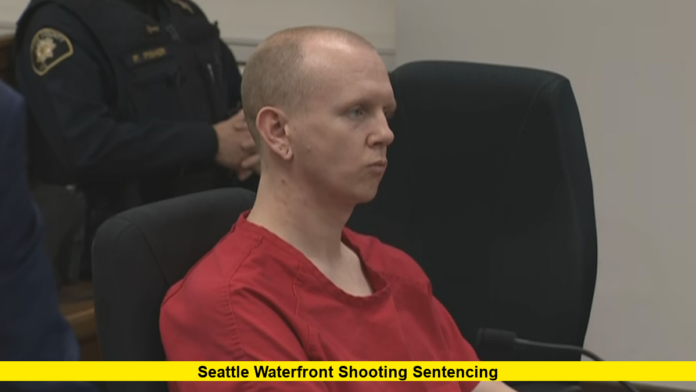

A man convicted of shooting another man in a wheelchair along the waterfront in Seattle has been sentenced to 42 months in prison, according to prosecutors in King County. The case, which drew significant public attention last summer, highlights ongoing concerns about public safety and violent crime in one of the city’s busiest and most visited areas.
Overview of the Seattle Waterfront Shooting Case
The incident occurred during the summer months along Seattle’s waterfront, a location known for its scenic views, tourist attractions, and steady foot traffic. Authorities reported that the victim, who was using a wheelchair, was shot during the altercation. Emergency responders quickly arrived on the scene, and the victim survived the attack, though the incident left a lasting impact on the community.
Law enforcement officials launched an investigation soon after the shooting, leading to the arrest and prosecution of the suspect. The case moved through the court system over the following months, culminating in the recent sentencing decision.
42-Month Sentence: What It Means
The defendant was sentenced to 42 months in prison—equivalent to three and a half years. In Washington state, sentencing decisions are guided by established legal frameworks that consider multiple factors, including the severity of the crime and the defendant’s criminal history.
A prison term of this length typically reflects a serious felony conviction, often associated with crimes involving firearms and bodily harm. While the exact charges in this case were determined during court proceedings, shootings that result in injury are commonly prosecuted under assault-related statutes involving a deadly weapon.
The sentence may also include provisions such as credit for time already served and a period of supervision following release.
Factors That Influenced the Sentencing
Several elements likely played a role in determining the 42-month sentence:
1. Nature of the Crime
The use of a firearm significantly increases the severity of any criminal offense. Courts treat gun-related violence with particular seriousness due to the potential for fatal outcomes.
2. Victim Vulnerability
The fact that the victim was in a wheelchair may have been considered an aggravating factor. Courts often take into account whether a victim was especially vulnerable at the time of the offense.
3. Defendant’s Criminal History
Sentencing guidelines in Washington state rely heavily on prior convictions. A defendant with a limited criminal history may receive a shorter sentence than someone with multiple past offenses.
4. Circumstances of the Incident
Whether the act was spontaneous or involved premeditation can also influence sentencing. Prosecutors and defense attorneys typically present arguments addressing these details during hearings.
Public Safety Concerns on Seattle’s Waterfront
Seattle’s waterfront is a central hub for both residents and tourists, featuring restaurants, shops, ferry terminals, and cultural attractions. Incidents of violent crime in such high-traffic areas tend to generate heightened concern among the public.
This case has renewed conversations about safety measures, law enforcement presence, and community awareness in busy urban spaces. While Seattle has made efforts to enhance security in popular districts, events like this underscore the challenges cities face in preventing unpredictable acts of violence.
Legal Process and Prosecution
Following the shooting, investigators gathered evidence, interviewed witnesses, and built a case that ultimately led to charges being filed. Prosecutors in King County handled the case, presenting arguments in court to establish the defendant’s guilt and advocate for an appropriate sentence.
The legal process in cases involving violent crime can be lengthy, often involving multiple hearings, motions, and negotiations. In some instances, defendants may enter plea agreements, while others proceed to trial. Regardless of the path, the goal is to ensure a fair and thorough examination of the facts.
Impact on the Victim and Community
Although the victim survived, the physical and emotional effects of such an घटना can be long-lasting. Survivors of violent crime often face extended recovery periods, including medical treatment and psychological support.
The broader community is also affected. High-profile cases can influence public perception of safety and shape local discussions about crime prevention and justice. Community members, advocacy groups, and local officials often use these moments to push for stronger protections and resources.
Understanding Washington State Sentencing Guidelines
Washington uses a structured sentencing system designed to promote consistency across cases. Judges refer to a sentencing grid that considers:
- The seriousness level of the offense
- The defendant’s criminal history score
- Any aggravating or mitigating factors
While judges have some discretion, they typically operate within a defined range unless exceptional circumstances justify a departure. This system aims to balance fairness with accountability, ensuring that similar crimes receive comparable penalties.
What Happens After Sentencing
After sentencing, the defendant will serve time in a state correctional facility. Depending on various factors, including behavior while incarcerated, there may be opportunities for early release under supervision.
Post-release supervision often includes conditions such as regular check-ins, restrictions on certain activities, and compliance with laws and regulations. Violating these conditions can result in additional penalties.
Broader Implications of the Case
This case serves as a reminder of the serious consequences associated with violent crime, particularly those involving firearms. It also highlights the role of the justice system in addressing such offenses and holding individuals accountable.
For Seattle, the incident reinforces the importance of continued efforts to maintain safety in public spaces. City officials, law enforcement agencies, and community organizations all play a role in preventing future incidents and supporting those affected by violence.
Final Thoughts
The sentencing of the man responsible for the Seattle waterfront shooting marks a significant step in the legal process following last summer’s घटना. With a 42-month prison term, the court has delivered a decision that reflects the seriousness of the offense and the circumstances surrounding it.
As the city continues to grow and attract visitors, maintaining public safety remains a top priority. Cases like this not only bring attention to individual acts of violence but also encourage broader discussions about prevention, accountability, and community resilience.