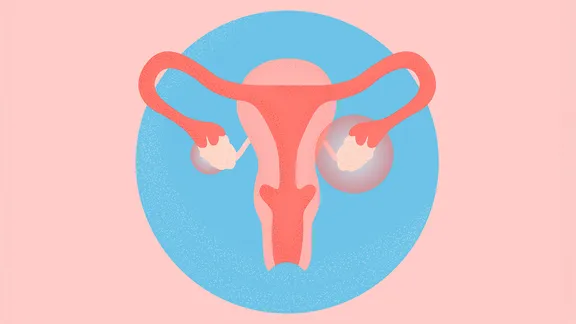

A major change in women’s healthcare is making headlines worldwide after polycystic ovary syndrome officially received a new medical name following years of international research, patient advocacy, and scientific review. The condition, long known as PCOS, will now be called Polyendocrine Metabolic Ovarian Syndrome, or PMOS, a move experts say better reflects the full-body impact of the disorder that affects millions of women across the United States and around the globe.
The announcement marks one of the biggest updates in reproductive and metabolic health in years. Researchers and physicians say the older name created confusion because many patients diagnosed with the condition do not actually have ovarian cysts. The new terminology highlights the disorder’s hormonal, endocrine, and metabolic effects rather than focusing only on ovarian symptoms.
Health specialists believe the transition could improve awareness, reduce delayed diagnoses, strengthen patient education, and encourage broader medical support for those living with the condition.
Women’s health research continues evolving rapidly, and many experts say this change could influence future treatment strategies, insurance conversations, and long-term care standards in the United States.
Millions of Americans are now paying closer attention to how PMOS may reshape discussions around fertility, insulin resistance, hormonal health, and chronic disease prevention.
A Long-Awaited Change After Years of Debate
Medical professionals and patient advocates spent more than a decade discussing whether the name “polycystic ovary syndrome” accurately represented the condition.
Doctors increasingly argued that the older terminology was scientifically misleading. While ultrasound scans may show multiple follicles in some patients, many women diagnosed with the disorder never develop ovarian cysts. At the same time, countless patients experience symptoms affecting the entire body rather than only reproductive organs.
The updated name, Polyendocrine Metabolic Ovarian Syndrome, reflects the condition’s widespread impact on hormone regulation, metabolism, cardiovascular health, reproductive function, and insulin activity.
Researchers involved in the global effort said thousands of patients participated in surveys and consultations during the naming process. Many women shared frustrations about delayed diagnoses, misunderstandings in healthcare settings, and years of confusion surrounding symptoms.
Advocates said the older name often caused doctors, teachers, employers, and even family members to underestimate the seriousness of the disorder.
The new terminology aims to provide a clearer understanding of how complex the condition truly is.
Why PMOS Matters Beyond Reproductive Health
For years, many people viewed PCOS mainly as a fertility issue. However, healthcare providers increasingly stress that the disorder reaches far beyond irregular periods or ovulation concerns.
Specialists now describe PMOS as a multisystem endocrine and metabolic condition that can influence several areas of health at once.
Symptoms and complications may include:
- Irregular menstrual cycles
- Acne and oily skin
- Excess facial or body hair
- Hair thinning
- Weight gain
- Insulin resistance
- Fatigue
- Fertility challenges
- Anxiety and depression
- Elevated cholesterol
- Sleep apnea
- Increased risk of type 2 diabetes
Doctors say symptoms vary dramatically from patient to patient, which often complicates diagnosis and treatment planning.
Some women primarily struggle with reproductive symptoms, while others experience more severe metabolic complications involving blood sugar control and cardiovascular health.
This broader medical understanding played a major role in the decision to move away from the older name.
The Numbers Behind the Condition
Healthcare organizations estimate the condition affects roughly one in eight women globally.
In the United States alone, experts believe millions of women are currently living with PMOS, although many cases remain undiagnosed. Some studies suggest a large percentage of affected women may not even realize they have the condition.
Medical experts say underdiagnosis remains a serious concern because symptoms can appear gradually and vary widely between individuals.
Teenagers may first notice irregular periods or acne, while others seek medical help years later because of fertility difficulties, unexplained weight changes, or metabolic issues.
Researchers also warn that delayed diagnosis can increase long-term health risks if insulin resistance and hormone imbalances go untreated for years.
Healthcare advocates say earlier screening and improved education could help patients receive support before complications become more severe.
The Link Between Insulin Resistance and Hormones
One of the biggest scientific developments surrounding PMOS involves the growing recognition of insulin resistance as a major driver of symptoms.
Insulin is the hormone responsible for helping the body process sugar from food. When the body becomes resistant to insulin, the pancreas produces more of it to compensate.
Higher insulin levels may then stimulate increased androgen production, which can trigger hormonal symptoms associated with the disorder.
Doctors say this cycle can contribute to:
- Irregular ovulation
- Menstrual disruption
- Acne flare-ups
- Weight gain
- Increased hair growth
- Fertility difficulties
Researchers continue studying how metabolic dysfunction and hormone imbalances interact within the condition.
Many endocrinologists now treat PMOS using a broader approach that combines reproductive care with blood sugar management, cardiovascular monitoring, nutritional support, and mental health care.
That shift represents a significant change from older treatment models that focused mainly on fertility concerns.
Why So Many Patients Go Undiagnosed
Diagnosis remains one of the biggest challenges connected to PMOS.
Unlike some conditions that can be confirmed with a single blood test or scan, PMOS diagnosis usually involves evaluating multiple symptoms and ruling out other disorders.
Doctors commonly look for combinations of:
- Irregular menstrual cycles
- Elevated androgen levels
- Polycystic ovarian appearance on imaging
Current medical guidelines generally allow diagnosis when at least two of these features are present.
However, experts say symptoms can differ greatly from one person to another.
Some women have severe insulin resistance with minimal reproductive symptoms. Others experience fertility issues while maintaining a normal body weight. Some patients struggle mainly with skin and hair-related symptoms.
Physicians must also rule out thyroid disorders, adrenal conditions, and other hormone-related illnesses before confirming a diagnosis.
Healthcare providers say broader awareness among primary care doctors could help reduce years-long delays many patients currently experience.
Mental Health Is Receiving More Attention
Another major shift in PMOS care involves mental and emotional health.
Researchers increasingly recognize strong links between the condition and higher rates of anxiety, depression, stress, and body image struggles.
Hormonal fluctuations, fertility challenges, physical symptoms, and years of medical frustration can all affect emotional well-being.
Many patients report feeling dismissed or misunderstood before finally receiving proper evaluations.
Healthcare systems are now placing greater emphasis on integrated care models that include mental health professionals alongside endocrinologists, gynecologists, nutrition specialists, and reproductive experts.
Advocates say emotional support should be considered an essential part of treatment rather than a secondary concern.
This growing awareness is helping reduce stigma and encouraging more open discussions about women’s hormonal health.
Lifestyle Changes Continue to Play a Central Role
Although medical research continues advancing, doctors still emphasize the importance of sustainable lifestyle habits for symptom management.
Experts often recommend:
- Regular exercise
- Balanced nutrition
- Better sleep habits
- Stress reduction
- Weight management support when appropriate
Healthcare providers caution against extreme dieting trends or unrealistic fitness expectations.
They also stress that PMOS affects women across many body types. Not every patient with the condition is overweight, and symptoms cannot be judged based on appearance alone.
Nutrition planning has become increasingly personalized as researchers learn more about how patients respond differently to dietary approaches.
Some women benefit from lower-glycemic eating patterns that help stabilize blood sugar levels, while others may require broader medical intervention.
Doctors say individualized treatment remains essential because the condition presents differently in every patient.
New Medications Are Expanding Treatment Conversations
Researchers are also paying close attention to emerging medications that may help patients manage metabolic symptoms.
Interest has grown around GLP-1 medications, which are widely used for diabetes and weight management. Some physicians report improvements in insulin sensitivity and weight regulation among PMOS patients who receive these treatments for metabolic conditions.
However, specialists caution that treatment decisions should always be individualized and medically supervised.
Traditional therapies remain common as well, including hormonal birth control, insulin-sensitizing medications, ovulation-support treatments, and anti-androgen therapies.
Fertility specialists continue researching better ways to support ovulation and pregnancy outcomes in women living with PMOS.
Doctors emphasize that no single treatment works universally because symptoms and health goals differ widely from patient to patient.
Fertility Misconceptions Continue to Fade
For years, many women diagnosed with polycystic ovary syndrome feared they would never become pregnant.
Healthcare experts now strongly push back against that misconception.
While irregular ovulation can create fertility challenges for some patients, reproductive specialists say many women with PMOS successfully conceive with proper medical guidance and treatment.
Lifestyle support, ovulation-inducing medications, and assisted reproductive technologies may all improve pregnancy outcomes depending on the individual situation.
Doctors also note that patients with PMOS may require additional monitoring during pregnancy because of elevated risks involving blood sugar regulation and blood pressure.
Researchers continue studying ways to improve maternal health outcomes connected to hormonal and metabolic disorders.
Healthcare Systems Are Preparing for Transition
Medical organizations around the world are now beginning the process of integrating the PMOS terminology into healthcare systems, patient education materials, and clinical guidelines.
Experts involved in the transition expect adoption to occur gradually over the next several years.
Hospitals, medical schools, and healthcare providers may update educational resources to reflect the broader understanding of the condition’s endocrine and metabolic effects.
Researchers hope the increased attention surrounding the new name will encourage stronger investment in women’s health research and improve public awareness campaigns.
Healthcare advocates believe the updated terminology could also help reduce stigma by clarifying that the disorder is far more complex than its previous name suggested.
Many patients say the change feels validating after years of feeling misunderstood by healthcare systems and society.
What the Future Could Look Like
Researchers continue investigating the genetic, hormonal, metabolic, and inflammatory factors connected to PMOS.
Scientists are exploring how brain signaling pathways, insulin activity, environmental influences, and reproductive hormones interact to shape the condition over time.
Medical experts hope future discoveries will improve diagnosis speed, personalize treatments, and reduce long-term complications.
As awareness grows, healthcare providers expect more women to recognize symptoms earlier and seek evaluations sooner.
The transition to PMOS represents more than a terminology update. For millions of patients, it signals a broader shift toward recognizing hormonal and metabolic health as critical parts of long-term wellness.
Experts say the conversation around women’s health is changing rapidly, and PMOS may become one of the most closely watched medical topics of the coming years.