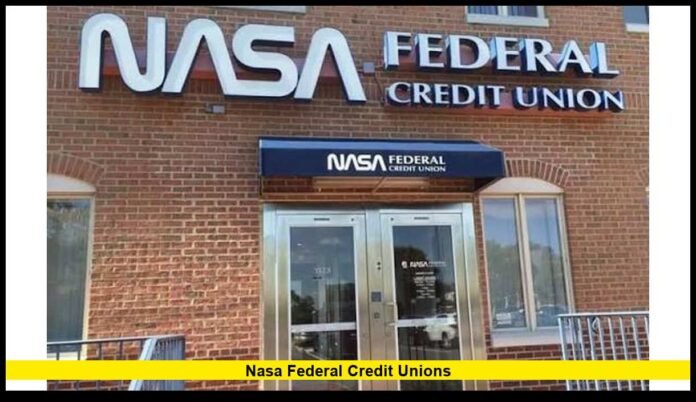

As consumers continue comparing savings yields, loan costs and digital banking options, nasa federal credit union remains a notable choice for people looking for a broad range of financial products through a member-owned institution. The credit union now serves more than 200,000 members across the United States and continues to offer checking, savings, certificates, credit cards, mortgages, auto financing and personal loans.
Membership Continues Beyond NASA Employees
Despite its name, membership is not restricted to people employed by NASA. The institution was established in 1949 by seven members of the scientific community, but its eligibility has grown considerably over the decades.
NASA employees and retirees can qualify, while employees and members of eligible partner organizations may also be able to join. Relatives and household members of existing members can have another route to eligibility.
For consumers without an existing qualifying connection, the credit union provides an affiliated National Space Society membership pathway. That option can make membership available to a much wider group of consumers.
The result is a membership structure that extends well beyond the federal agency that inspired the credit union’s name.
Savings Rates Remain a Major Attraction
Deposit yields are one of the most closely watched areas for consumers in 2026. NASA Federal’s current certificate schedule includes several products with annual percentage yields above 4%.
The highest listed yield is 4.30% APY on a 49-month certificate, subject to the product’s eligibility and deposit requirements. That special certificate requires a $10,000 minimum opening balance.
Other currently listed options include a 4.25% APY on a 15-month certificate and 4.20% APY on a 48-month certificate. A standard 36-month certificate carries a listed 4.15% APY, while the 24-month option lists 4.10%.
Shorter-term products are also available. The six-month certificate lists a 4.00% APY, while the nine-month certificate offers 4.20% APY under its stated requirements.
Rates are subject to change, and special certificates can have additional funding requirements or renewal provisions. Members should review the current terms before committing money to a certificate.
Checking Accounts Add Everyday Banking Options
The credit union’s checking lineup is designed for everyday transactions, with digital banking tools allowing members to manage accounts without relying solely on physical branches.
A Cash Back Debit Card is among the available features. Eligible transactions can earn cash back, with the program allowing up to $250 in annual redemption under applicable conditions.
Online and mobile banking provide access to account-management functions such as transfers, bill payments and transaction monitoring. These tools are increasingly important as consumers shift routine banking activity from branches to smartphones and computers.
For anyone comparing checking accounts, however, rewards should be considered alongside fees, eligibility requirements, ATM access and other account conditions.
Auto Financing Remains Competitive
Vehicle financing is another significant part of the credit union’s consumer lending operation.
Current auto loan information lists rates beginning at 4.69% APR for qualifying loans with terms of up to 36 months. Loans with longer repayment periods carry higher starting rates, including 5.29% for terms from 37 to 63 months, 6.14% for 64 to 75 months and 6.99% for 76 to 84 months.
Loan amounts can range from $5,000 to $125,000 depending on the repayment period.
The advertised starting rate is not guaranteed for every borrower. Creditworthiness, vehicle age, loan amount and term can affect the final APR.
The institution also provides refinancing options for borrowers who want to replace an existing vehicle loan.
Mortgage and Home Financing Services
Homebuyers can also find mortgage products through the credit union. Its lending lineup includes fixed-rate mortgages and home equity products designed for different borrowing needs.
Mortgage programs can include options with reduced upfront requirements under specific eligibility conditions. Borrowers should examine the complete loan structure, including interest rate, closing costs, repayment period and any applicable insurance requirements.
Home equity financing can provide homeowners with another source of funds for qualifying expenses. As with any secured borrowing, consumers should consider the effect of the loan on their home and overall financial obligations.
Personal Loans and Credit Cards
Personal loans provide another borrowing option for members who need funds for qualifying expenses or debt consolidation.
Credit cards are also part of the product range, with different options aimed at rewards, cash back and other benefits. Balance-transfer opportunities can be useful for borrowers attempting to reduce interest costs, although promotional rates and qualification requirements should be reviewed carefully.
A lower promotional rate does not automatically make a balance transfer beneficial. Transfer fees, expiration dates and the ongoing APR after a promotional period can affect the overall savings.
Digital Security Becomes More Important
Financial institutions are facing increasing pressure to detect fraud quickly as scams become more sophisticated. NASA Federal has been investing in technology designed to strengthen fraud detection and financial-crime monitoring.
Its technology initiatives include real-time monitoring capabilities intended to identify suspicious activity while reducing unnecessary alerts.
For consumers, stronger automated detection can provide another layer of protection, but personal account security remains essential. Members should monitor transactions regularly, use unique passwords and avoid providing authentication codes or account credentials in response to unsolicited messages.
Physical Branches Still Serve Members
Although digital banking continues to grow, the credit union maintains physical locations, particularly in the Washington, D.C., Maryland and Virginia region.
Branch locations give members access to services that some consumers still prefer to handle face-to-face. ATM and shared-branch access can also provide additional ways to access accounts.
Branch hours and available services can vary by location, making it important to check current information before visiting.
Why Consumers Are Watching NASA Federal
For consumers researching nasa federal credit union, the combination of membership accessibility, deposit products and lending services is a central consideration.
The credit union has moved far beyond its original seven-member beginning. Its current scale, nationwide membership and range of products allow members to use one institution for many different financial needs.
Savers may be interested in the currently listed certificate yields, while borrowers can compare auto, mortgage and personal-loan options. Checking customers can evaluate digital banking and debit-card rewards alongside account requirements.
The institution’s status as a federally insured credit union also gives members an important layer of deposit protection within applicable federal limits.
What Members Should Check Before Opening an Account
Rates and financial promotions can change rapidly, so consumers should avoid making decisions based only on an advertised headline rate.
Before opening an account or applying for a loan, prospective members should review the minimum deposit, APY, APR, fees, withdrawal restrictions and eligibility requirements associated with the specific product.
For certificates, the length of the commitment is particularly important. A higher yield may come with a longer maturity period or a larger minimum deposit.
For loans, borrowers should compare the total cost rather than focusing exclusively on the monthly payment. A longer term can reduce the monthly bill while increasing the amount of interest paid over the life of the loan.
The Bottom Line
NASA Federal enters the latest stage of 2026 with a broad financial-services lineup and more than 200,000 members nationwide. Its combination of savings products, certificates, checking accounts, credit cards and lending services gives consumers multiple ways to manage their finances under one membership.
Current certificate rates remain particularly noteworthy, with selected products offering APYs above 4%. Auto financing also provides several term options, while digital banking and fraud-prevention technology remain important parts of the institution’s consumer experience.
Because rates, promotions and eligibility requirements can change, prospective members should review the latest terms before opening an account, purchasing a certificate or submitting a loan application.