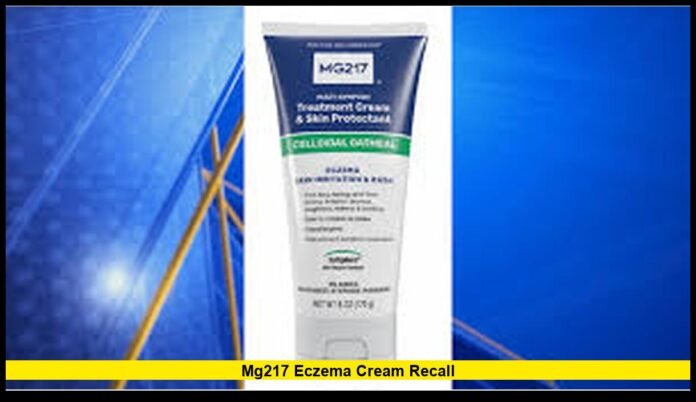

MG217 eczema cream recall alerts are affecting consumers across the United States after health officials confirmed bacterial contamination in a popular over-the-counter eczema treatment sold nationwide.
The recall involves MG217 Multi-Symptom Treatment Cream & Skin Protectant Eczema Cream in a 6-ounce tube. Pharmacal issued the voluntary nationwide recall after testing detected Staphylococcus aureus contamination in one lot of the product. The cream had already reached retail shelves and online marketplaces before the issue became public.
Federal safety officials warned that the contamination may create serious health risks, especially for people with damaged skin, weakened immune systems, or chronic inflammatory skin conditions. The recall quickly gained attention because eczema creams are commonly used on sensitive, cracked, or irritated skin.
Consumers are now being urged to check packaging information carefully and stop using any affected tubes immediately.
Which MG217 Product Was Recalled?
The recall applies only to a specific lot of MG217 Multi-Symptom Treatment Cream & Skin Protectant Eczema Cream.
Here are the recalled product details:
| Product Information | Details |
|---|---|
| Brand | MG217 |
| Product Name | Multi-Symptom Treatment Cream & Skin Protectant Eczema Cream |
| Tube Size | 6 oz |
| Lot Number | 1024088 |
| Expiration Date | November 2026 |
| Product Code | 5106 |
| UPC | 012277051067 |
Consumers can find the lot number printed on the crimped end of the tube.
Anyone who owns a matching tube should stop using the cream immediately. The recall remains active nationwide as of May 14, 2026.
Why the Cream Was Recalled
Testing found contamination involving Staphylococcus aureus, commonly known as staph bacteria. This bacterium can cause infections ranging from mild skin irritation to severe bloodstream infections in vulnerable individuals.
The concern becomes more serious for eczema patients because the condition often weakens the skin barrier. Cracked or inflamed skin allows bacteria to enter more easily.
Health officials warned that contaminated cream could potentially lead to:
- Skin infections
- Soft tissue infections
- Bloodstream infections
- Bone infections
- Joint infections
- Sepsis
- Septic shock
People with severe eczema, open wounds, burns, or compromised immune systems face the highest risk.
At the time the recall notice became public, no confirmed injuries or illnesses had been officially reported.
Why Eczema Patients Face Higher Risks
Eczema affects millions of Americans every year. The condition causes dryness, redness, itching, inflammation, cracking, and skin sensitivity.
Many people apply eczema creams several times daily during flare-ups. That repeated use increases exposure if contamination occurs.
Healthy skin works as a protective shield against bacteria and environmental irritants. Eczema damages that barrier, leaving skin vulnerable to infection.
That vulnerability explains why bacterial contamination in eczema products raises immediate concern among healthcare professionals and consumers alike.
Children may face additional risks because eczema frequently develops during infancy or early childhood. Parents often rely on skin protectant creams to manage recurring symptoms and prevent discomfort.
When contamination affects products marketed for sensitive skin, public concern grows quickly.
How the Recall Became Public
The contamination issue surfaced after product testing identified Staphylococcus aureus in one batch of the cream.
Once contamination was confirmed, Pharmacal initiated a voluntary recall covering the affected lot distributed nationwide.
Federal regulators later published the recall announcement publicly through national safety alert systems. Retailers and online marketplaces then began removing affected inventory from sale.
The recall expanded rapidly across consumer awareness platforms because of the product’s widespread availability and the health risks linked to contaminated skin treatments.
Where the Recalled Product Was Sold
The affected MG217 cream reached consumers through multiple sales channels across the country.
Distribution included:
- Drugstores
- Retail chains
- Grocery stores
- Wholesale suppliers
- Online retailers
- E-commerce marketplaces
Because the cream was sold nationwide, consumers in every state may potentially possess affected tubes.
Online purchases increased the reach of the recalled product because many consumers order eczema treatments directly to their homes.
Anyone who purchased MG217 cream online during recent months should inspect packaging carefully.
What Consumers Should Do Immediately
Consumers who find the recalled lot in their homes should stop using the product immediately.
Recommended steps include:
- Check the lot number carefully
- Stop applying the cream
- Keep the product away from children
- Monitor for signs of infection
- Contact a healthcare provider if symptoms develop
Consumers should avoid sharing the cream with others, even if no symptoms are present.
People experiencing worsening skin irritation or infection symptoms should seek medical attention promptly.
Symptoms Consumers Should Watch For
Not every person exposed to contaminated cream will develop an infection. However, users should remain alert for possible warning signs.
Potential symptoms include:
- Increased redness
- Swelling
- Pain
- Skin warmth
- Pus or drainage
- Fever
- Fatigue
- Worsening eczema
- Open sores
- Skin tenderness
Serious infections may spread beyond the skin if untreated.
Parents should monitor children closely if they recently used the recalled cream.
Understanding Staph Bacteria
Staphylococcus aureus is a common bacterium that can live on the skin or inside the nose without causing illness in some individuals. Problems develop when the bacteria enter damaged tissue or the bloodstream.
Staph infections range from mild skin irritation to dangerous systemic infections.
Possible complications may include:
- Abscesses
- Cellulitis
- Pneumonia
- Bone infections
- Heart infections
- Blood poisoning
Because eczema weakens skin integrity, contaminated topical products create additional risk.
People with diabetes, weakened immunity, chronic illness, or severe skin conditions often face higher complication rates from bacterial infections.
Why Product Safety Matters in Eczema Treatments
Consumers expect eczema creams to soothe irritation and support skin healing. Many products advertise gentle ingredients designed for sensitive skin.
That trust becomes especially important because eczema patients often use these creams daily for extended periods.
A contamination event involving a skin protectant product can damage consumer confidence quickly.
Over-the-counter skin treatments must meet manufacturing and safety standards designed to reduce contamination risks. When bacteria appear in a finished product, companies typically investigate manufacturing systems, storage procedures, and testing protocols.
The recall also highlights how essential quality control remains within personal care and healthcare product manufacturing.
Retailers Begin Removing Inventory
Following the recall announcement, retailers and online sellers began removing affected inventory from shelves and listings.
Large online marketplaces often deactivate recalled product listings quickly after safety notices become public.
Some retailers may also contact customers directly if purchase records are available through loyalty programs or online accounts.
Consumers should not assume a product is safe simply because it remains visible in stores or online. Checking the exact lot number remains the safest approach.
How Consumers Reacted to the Recall
The recall generated widespread attention across social media platforms and national news coverage.
Many eczema sufferers expressed concern because the cream was marketed for irritated and sensitive skin.
Parents also voiced frustration online after learning that a product intended to relieve eczema symptoms carried bacterial contamination risks.
The situation reignited broader conversations surrounding product safety standards and manufacturing oversight in the personal care industry.
Consumers increasingly expect rapid transparency when health-related recalls occur.
The Importance of Checking Lot Numbers
Many recalls involve only specific production batches rather than every product under a brand name.
That makes lot number verification extremely important.
Consumers should compare:
- Lot numbers
- Expiration dates
- UPC codes
- Product names
The recalled MG217 lot number is 1024088 with an expiration date of November 2026.
Products with different lot numbers are not currently included in the active recall notice.
How Eczema Affects Daily Life
Eczema creates both physical discomfort and emotional stress for millions of Americans.
Common symptoms include:
- Dry skin
- Itching
- Cracking
- Burning sensations
- Red patches
- Inflammation
Severe flare-ups can disrupt sleep, work, school, and daily routines.
Many patients spend years searching for creams and treatments that reduce irritation safely. That ongoing search often builds strong consumer loyalty toward trusted skincare products.
When a recall affects one of those products, it can create anxiety for families already managing chronic skin conditions.
Could Additional Products Be Added?
As of May 14, 2026, the recall remains limited to one confirmed lot of MG217 Multi-Symptom Treatment Cream & Skin Protectant Eczema Cream.
No additional lots have been publicly added to the recall announcement at this time.
However, recall investigations sometimes continue after the initial notice becomes public.
Companies may conduct additional testing and manufacturing reviews during ongoing investigations.
Consumers should continue checking for updated recall notices involving eczema treatments or skincare products.
The Broader Impact on the Skincare Industry
The MG217 eczema cream recall adds to growing public attention surrounding product safety within the skincare industry.
Consumers now pay closer attention to:
- Manufacturing quality
- Ingredient safety
- Contamination risks
- Recall transparency
- Brand accountability
Social media has also accelerated the spread of recall information. Consumers often learn about recalls within hours after announcements become public.
That speed increases pressure on companies to respond quickly and communicate clearly.
Brands selling products for sensitive skin face especially high expectations because their customers often include children and individuals with chronic medical conditions.
How Consumers Can Protect Themselves
Consumers can lower risks linked to recalled products by following several practical steps.
Inspect Packaging Before Use
Always review:
- Lot numbers
- Expiration dates
- Seals
- Product condition
Avoid Damaged Containers
Do not use creams with:
- Broken caps
- Leaking tubes
- Strange odors
- Unusual discoloration
Store Products Properly
Heat and moisture may affect product stability.
Monitor Skin Reactions
Stop using products immediately if irritation worsens unexpectedly.
Stay Informed About Recalls
Consumers should periodically review active recall alerts involving medications and personal care products.
Current Status of the Recall
The MG217 eczema cream recall remains active nationwide as of May 14, 2026.
Health officials continue advising consumers not to use the affected lot tied to Staphylococcus aureus contamination.
No confirmed injuries have been publicly announced so far, but the contamination risk remains serious because eczema products are frequently applied to compromised skin.
Consumers who discover recalled tubes at home should stop using them immediately and monitor for any symptoms linked to infection or worsening skin irritation.
Consumer Trust and Product Transparency
Product recalls often reshape how consumers evaluate healthcare and skincare brands.
Many shoppers now look beyond advertising claims and focus more heavily on:
- Safety history
- Manufacturing quality
- Recall responsiveness
- Retail reliability
- Transparency
Trust remains especially important in eczema care because many patients depend on consistent daily symptom management.
A contamination recall involving a sensitive-skin treatment can leave lasting concerns among longtime users.
The situation also reminds consumers to stay alert to recall announcements involving products used regularly in their homes.
Growing Awareness Around Topical Product Risks
Topical creams may appear harmless because they are sold over the counter, but contamination can still create serious health concerns.
Products designed for damaged skin require especially careful manufacturing controls.
The MG217 eczema cream recall serves as another reminder that consumers should pay close attention to safety alerts involving medications, skincare products, and personal care items.
People often keep topical creams for months after purchase, which means recalled products may remain inside homes long after initial sales occurred.
Checking packaging and recall information carefully remains one of the most effective ways to stay protected.
Consumers who use eczema treatments regularly should remain alert for future updates while carefully reviewing product packaging before continued use.