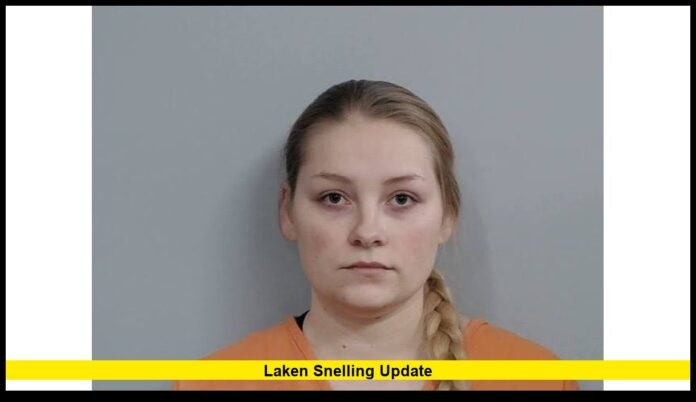

The latest Laken Snelling update brings a major development in the Kentucky criminal case. The former University of Kentucky student pleaded guilty on Aug. 21, 2026, to first-degree manslaughter and three other charges tied to the death of her newborn son.
Snelling, 22, entered guilty pleas to first-degree manslaughter, abuse of a corpse, tampering with physical evidence and concealing the birth of an infant. Prosecutors are recommending a combined 13-year prison sentence.
The guilty plea changes the direction of the case after Snelling previously pleaded not guilty in April. Her sentencing is scheduled for Oct. 16, 2026.
Laken Snelling’s Guilty Plea
Snelling appeared in court Friday and accepted responsibility for the four charges.
The first-degree manslaughter charge is the most serious offense in the case. The other three charges concern the handling of the infant’s body, evidence connected to the birth and the concealment of the birth itself.
During the hearing, Snelling described the circumstances surrounding the birth and the actions that followed.
She told the court that she was under significant emotional stress and that the birth was unexpected. She acknowledged that she ended her baby’s life instead of getting help.
When asked directly how she deprived the infant of oxygen, Snelling confirmed that she deprived him of oxygen.
Her statement represented a major change from her earlier position in the case.
In April, she had pleaded not guilty to all four charges. The August guilty plea means the case will now proceed toward sentencing rather than a criminal trial.
The Recommended Sentence
Prosecutors have recommended a total sentence of 13 years.
The recommendation breaks down as follows:
- 10 years for first-degree manslaughter
- One year for abuse of a corpse
- One year for tampering with physical evidence
- One year for concealing the birth of an infant
The recommendation does not itself constitute the final sentence.
The court will determine the punishment at Snelling’s scheduled sentencing hearing.
That hearing is set for Oct. 16, 2026.
The sentencing date will therefore become the next major point of interest in the case.
How the Case Began
The case dates back to August 2025, when Lexington police responded to a residence after a newborn was discovered unresponsive.
The infant was found inside a closet at Snelling’s off-campus residence.
The baby had been wrapped in a towel and placed inside a black plastic bag.
Police began investigating the circumstances surrounding the birth and death.
Snelling was arrested shortly afterward.
Her original charges did not include manslaughter. Prosecutors initially pursued charges involving the concealment of the birth, abuse of a corpse and tampering with physical evidence.
The investigation continued as authorities reviewed evidence from the residence and sought additional medical findings.
Those findings later became critical to the case.
Medical Findings Led to the Manslaughter Charge
The Kentucky Medical Examiner’s Office determined that the baby had been born alive.
The cause of death was listed as asphyxia by undetermined means.
That finding became an important development because it established that the infant survived the delivery.
The medical conclusion contributed to the decision to pursue a homicide-related charge.
In March 2026, a Fayette County grand jury indicted Snelling on first-degree manslaughter.
The new charge significantly changed the potential consequences facing Snelling.
The indictment also retained the three charges from the earlier case: abuse of a corpse, tampering with physical evidence and concealing the birth of an infant.
Her April Court Appearance
After the manslaughter indictment, Snelling appeared in court in April 2026.
She pleaded not guilty to all four charges.
At the time, the case remained headed toward further court proceedings.
Snelling continued to face the possibility of a trial if the case did not reach a plea agreement.
That changed with her Aug. 21 appearance.
Rather than continue toward trial, she pleaded guilty.
The decision brings the case into its sentencing phase.
What Investigators Found at the Residence
The discovery at Snelling’s residence was one of the first major pieces of evidence in the investigation.
Roommates became concerned after noticing signs that something unusual had happened.
They eventually discovered the newborn inside a closet.
The infant was wrapped in a towel and placed inside a plastic bag.
Police responded after the discovery and found the newborn unresponsive.
The investigation then focused on establishing when the baby was born, whether the child had been alive after delivery and what happened before the body was concealed.
Those questions became central to the prosecution.
Snelling’s Statements During the Investigation
Investigators questioned Snelling about the circumstances surrounding the birth.
Her statements formed part of the evidence reviewed during the investigation.
She acknowledged giving birth alone.
She also described losing consciousness and later finding the baby in a condition that led her to believe the infant was dead.
Other information gathered during the investigation raised questions about whether the child had shown signs of life after birth.
The medical findings ultimately established that the baby had been born alive.
Snelling’s statements and the forensic evidence were considered as prosecutors built the case.
Her guilty plea has now provided a direct admission of responsibility for the infant’s death.
The Concealment of the Birth
The case also involves a separate charge related to concealing the birth.
Authorities alleged that Snelling attempted to remove evidence connected to the delivery.
Investigators examined the condition of the room and the items found there.
The infant had been placed in a plastic bag along with material associated with the birth.
That conduct resulted in the charges of abuse of a corpse and tampering with physical evidence.
The concealment charge addresses the effort to hide the fact that the birth had occurred.
Snelling has now pleaded guilty to all three offenses.
Why the Case Did Not Remain a Simple Death Investigation
The initial discovery raised questions about whether the infant had been stillborn or had died after birth.
The medical examination was therefore particularly important.
The determination that the baby had been born alive changed the legal picture.
Authorities could then examine whether another person had caused the infant’s death.
The investigation eventually led prosecutors to seek a manslaughter indictment.
The grand jury returned that indictment in March.
The case then moved forward with all four charges.
Snelling’s guilty plea has now resolved the question of whether she will face a trial on those charges.
The University of Kentucky Connection
Snelling was a former University of Kentucky student and member of the university’s STUNT team.
Her connection to the university drew attention when the case became public.
She later withdrew from the university.
Her former student-athlete status is relevant to understanding her background at the time of the events, but the criminal proceedings center on the newborn’s death and the actions surrounding the birth.
The current legal status is determined by the four criminal charges and her guilty pleas.
The Timeline of the Case
The major developments can be summarized chronologically:
| Date | Major development |
|---|---|
| August 2025 | Newborn found dead at Snelling’s Lexington residence |
| August 2025 | Snelling arrested on three initial charges |
| March 2026 | Fayette County grand jury added first-degree manslaughter |
| April 2026 | Snelling pleaded not guilty to four charges |
| Aug. 21, 2026 | Snelling pleaded guilty to all four charges |
| Oct. 16, 2026 | Sentencing is scheduled |
The timeline shows how the case progressed from an initial investigation into a much more serious criminal prosecution.
The medical findings were a key turning point.
The guilty plea is now the latest major development.
What the Guilty Plea Means for the Case
A guilty plea removes the need for a jury trial on the charges covered by the plea.
Instead, the court will move toward sentencing.
Snelling has admitted guilt to first-degree manslaughter, abuse of a corpse, tampering with physical evidence and concealing the birth of an infant.
The prosecution has proposed a combined 13-year sentence.
The court still has to formally impose the sentence.
That distinction matters because a prosecutor’s recommendation is not the same as a final judicial ruling.
The Oct. 16 hearing should provide the next confirmed update on the punishment.
The Manslaughter Charge Is Now Resolved
The first-degree manslaughter charge was added several months after the initial arrest.
At first, Snelling faced charges related primarily to what investigators said happened after the infant’s death.
The later medical determination that the baby was born alive prompted a new examination of the circumstances.
The grand jury ultimately indicted Snelling on first-degree manslaughter.
She initially denied guilt.
Now she has entered a guilty plea.
Her admission also clarifies the prosecution’s central allegation that the infant died after being deprived of oxygen.
Why October’s Sentencing Hearing Matters
The next major event is not another plea hearing or trial date.
It is the sentencing hearing.
The court is scheduled to hear the case on Oct. 16.
Prosecutors have recommended 10 years for the manslaughter conviction and one year for each of the three additional convictions.
That adds up to 13 years.
The final punishment will depend on the court’s sentencing decision.
Until the hearing takes place, the recommended 13-year term should not be described as the final sentence.
The Latest Legal Status
As of Aug. 21, 2026, Snelling is no longer facing the four charges as an unresolved trial case.
She has pleaded guilty to all four.
The charges are:
- First-degree manslaughter
- Abuse of a corpse
- Tampering with physical evidence
- Concealing the birth of an infant
The next stage is sentencing.
The court has scheduled that proceeding for Oct. 16.
The prosecution is seeking a total of 13 years.
No trial is expected on the charges covered by the guilty plea.
What to Know About the Newest Development
The most important change is Snelling’s admission in court.
Her April plea was not guilty.
Her Aug. 21 plea was guilty.
That change resolves a central part of the criminal case and moves the proceedings toward a final sentence.
Snelling also acknowledged that she deprived her newborn son of oxygen.
The admission comes after months of investigation, forensic review and court proceedings.
It follows the March manslaughter indictment, which was based in part on the medical examiner’s determination that the baby had been born alive.
What Comes Next
The case now moves toward the sentencing hearing.
The prosecution has already outlined its recommended punishment.
The court will consider the case before issuing the final sentence.
For people following developments, the Oct. 16 hearing is the next important date.
The outcome will determine how the criminal proceedings conclude after Snelling’s guilty plea.
Until then, the confirmed facts remain clear: Snelling has admitted guilt to four charges, including first-degree manslaughter, and prosecutors are seeking a combined 13-year sentence.
The case has therefore reached a significant turning point after more than a year of investigation and court proceedings.
Stay tuned for the next confirmed court development, and share your thoughts on this case in the comments below.