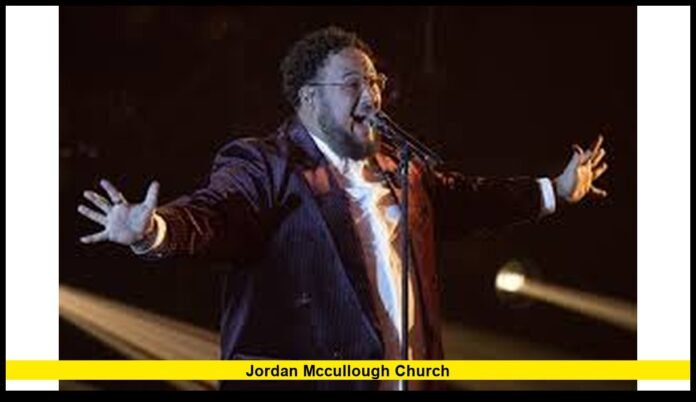

The growing interest surrounding jordan mccullough church searches reflects how strongly television audiences have connected with the Tennessee worship leader during the latest season of American Idol. As viewers across the country continue following his performances, many have become increasingly interested in the faith-centered musical background that shaped one of the season’s most recognizable contestants.
Jordan McCullough entered the national spotlight as a singer from Murfreesboro, Tennessee, but his story began years earlier inside church worship services, choir rehearsals, and local ministry events. Before millions of viewers watched him perform on network television, he spent years developing his voice through worship leadership and live church music.
That foundation has now become a major part of his identity on American Idol, where emotional performances and spiritually influenced vocals helped him emerge as one of the most talked-about finalists of the season.
Fans across social media continue debating which Jordan McCullough performance has been the strongest so far as his popularity keeps growing nationwide.
Jordan McCullough’s Journey Started in Church Music
McCullough has openly discussed how church played a major role in his early life and musical development. According to interviews connected to the competition, he began singing in church at a very young age and quickly developed a passion for live performance.
Unlike many singers who discover music through school productions or local talent shows, McCullough’s earliest experiences came through worship environments. Those experiences helped him build confidence while also teaching him how to connect emotionally with audiences.
Over time, he became involved in worship leadership and eventually worked as a worship director connected to Zeal Church in the Nashville area. His responsibilities included leading worship services, rehearsing with musicians, and participating in church music projects.
That experience gave him years of live performance training long before auditioning for national television competitions.
Many viewers believe that church background explains why his performances often feel calm, sincere, and emotionally grounded compared to more theatrical competition styles.
How He Earned Attention on ‘American Idol’
McCullough’s American Idol audition immediately stood out because of his emotional vocal style and natural stage presence. Rather than relying on flashy production or dramatic storytelling, he focused primarily on delivering songs with honesty and strong vocal control.
The judges responded positively to his ability to balance technical singing ability with emotional connection.
As the season progressed, McCullough continued advancing through the competition while building a loyal fan base online. His performances frequently generated discussion across social media platforms, particularly among viewers who appreciated faith-influenced music and soulful vocal performances.
One of the defining moments of his season came during the show’s faith-themed episode. McCullough performed “I Can Only Imagine,” a song strongly connected to Christian and inspirational audiences. The performance resonated deeply with viewers and became one of the most discussed moments of the night.
That episode helped reinforce his identity as a contestant whose church roots remain central to his artistry.
A Worship Leader With Mainstream Appeal
Although McCullough’s musical background comes from worship music, his performances throughout the season demonstrated versatility beyond church settings.
He moved comfortably between gospel-inspired ballads, classic pop songs, and emotionally driven rock performances. Viewers watched him reinterpret familiar songs while still maintaining the warm vocal style associated with worship music traditions.
That flexibility became especially important during themed competition nights.
During Taylor Swift Night, McCullough performed “Tim McGraw” and later delivered “I Can’t Make You Love Me,” showcasing a softer and more emotionally nuanced side of his artistry. The performances received praise for their sincerity and vocal restraint.
Instead of dramatically changing his style every week, McCullough adapted songs to fit his own musical identity. That consistency helped him stand out in a competition environment where many contestants struggle to maintain a clear artistic direction.
His Earlier Reality TV Experience
Long before reaching the American Idol finale, McCullough experienced disappointment in another major singing competition.
In 2019, he auditioned for The Voice. During his blind audition, none of the coaches turned their chairs, ending his journey on the show before it truly began.
For many artists, that kind of rejection can become discouraging enough to end pursuit of a music career. McCullough instead continued developing his craft through church leadership, worship performances, and local music opportunities.
That perseverance became one of the most relatable aspects of his story.
Viewers often connect strongly with contestants who spent years working toward success instead of achieving instant fame. McCullough’s return to national television after an earlier setback added emotional weight to his American Idol journey.
His story now reflects persistence, patience, and personal growth rather than overnight celebrity.
The Role of Faith in His Career
Faith has remained a consistent part of McCullough’s public image throughout the competition.
Unlike some contestants who avoid discussing religion publicly, McCullough has regularly spoken about gratitude, worship, and the importance of faith in his personal life. His openness helped him connect with audiences who appreciate inspirational themes in entertainment.
This season of American Idol also featured several contestants with church and gospel backgrounds, creating a noticeable resurgence of spiritually influenced performances on mainstream television.
McCullough became one of the most visible representatives of that movement.
Many fans praised the season for allowing contestants to openly express their beliefs while still focusing primarily on music and performance quality.
For McCullough, faith appears less like a branding strategy and more like a natural part of who he is as an artist.
Murfreesboro and Nashville Influences
Growing up near Nashville gave McCullough exposure to multiple musical traditions beyond church worship.
Middle Tennessee has long been known for producing artists connected to country music, gospel, Christian music, and southern soul influences. That environment helped shape McCullough’s broad musical taste and performance style.
His hometown community in Murfreesboro also rallied behind him throughout the competition.
Local supporters organized viewing parties, social media campaigns, and voting efforts as his performances gained national attention. Community pride became a major part of his rise on the show.
For many viewers, McCullough represents the kind of hometown success story audiences love supporting — an artist who remained grounded while suddenly entering the national spotlight.
Standout Performances Throughout the Season
Several performances helped elevate McCullough into finalist conversations during the season.
His rendition of “I Still Haven’t Found What I’m Looking For” showcased his ability to transform a well-known rock anthem into a soulful and emotionally reflective performance. The performance highlighted both his vocal control and his skill at connecting with lyrics on a deeper emotional level.
During Disney-themed episodes, he performed “Colors of the Wind,” another emotionally driven performance that generated strong reactions online.
He later advanced further with performances including “Footprints in the Sand” and “A Song for You,” both of which highlighted his ability to balance vulnerability with technical precision.
Throughout the competition, judges repeatedly complimented his consistency and authenticity.
Unlike contestants who experienced dramatic highs and lows from week to week, McCullough consistently delivered emotionally engaging performances that felt true to his identity.
Why Viewers Relate to Jordan McCullough
Part of McCullough’s popularity comes from how relatable he appears compared to traditional reality television personalities.
He does not rely heavily on controversy, dramatic social media behavior, or exaggerated television moments. Instead, viewers connect with his humility, calm personality, and grounded attitude.
Fans often describe him as sincere and approachable.
That authenticity matters in modern television competitions where audiences increasingly gravitate toward contestants who feel genuine rather than heavily manufactured.
McCullough’s church background also contributes to that perception. Worship leadership typically emphasizes service, emotional connection, and humility rather than celebrity culture.
Those qualities remain visible in how he interacts with judges, fellow contestants, and audiences.
The Increasing Popularity of Faith-Based Artists
McCullough’s success reflects a broader entertainment trend involving faith-influenced performers gaining mainstream visibility.
Over the past several years, audiences have shown growing interest in inspirational music, worship-influenced vocals, and artists who blend spirituality with mainstream appeal.
Streaming platforms and social media have also made it easier for worship musicians to build audiences outside traditional Christian music spaces.
McCullough’s performances fit naturally within that trend. His music feels accessible to mainstream viewers while still remaining connected to his church background.
That crossover appeal could become especially important as he continues building a career after the competition.
What His Future Could Look Like
Even beyond American Idol, McCullough appears positioned for continued opportunities in music.
Artists with church and worship backgrounds often develop strong live performance skills because they perform consistently in front of audiences long before entering the commercial music industry. McCullough’s years of worship leadership likely prepared him well for the demands of television performance schedules.
Industry observers have also noted that contestants do not necessarily need to win American Idol to build successful careers.
Many former contestants used the platform to launch recording careers, touring opportunities, and growing online audiences.
McCullough’s ability to connect emotionally with viewers may ultimately become one of his strongest long-term advantages.
Whether he continues primarily in worship music, inspirational music, or broader commercial genres, he has already established a recognizable identity that audiences remember.
Jordan McCullough’s Influence on This Season
Every season of American Idol eventually becomes associated with a few standout contestants who shape the tone of the competition. McCullough has clearly become one of those defining personalities this season.
His presence helped bring more attention to faith-centered performances while also demonstrating that emotionally grounded singers can still thrive in modern television competitions.
Many viewers who may not normally follow worship music have discovered his performances through the show, expanding his audience significantly.
At the same time, church and gospel music fans have rallied behind him because they see authentic representation of those musical traditions on national television.
That combination helped make him one of the season’s most discussed contestants.
As the competition continues generating attention online, Jordan McCullough’s journey from church worship leader to national television finalist remains one of the most compelling stories viewers have followed this year.