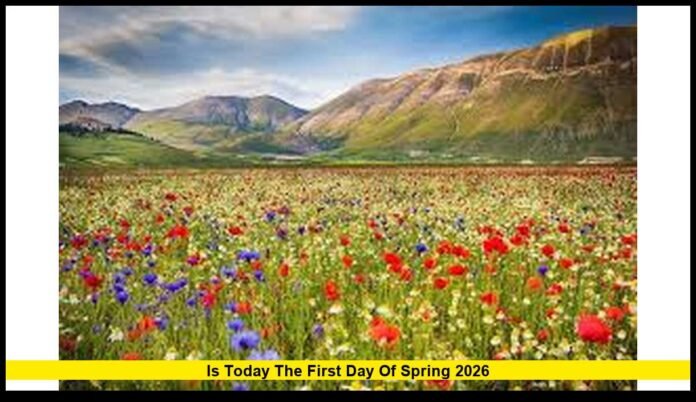

Is today the first day of spring? Yes, March 20, 2026, officially marks the beginning of spring across the United States, as the vernal equinox arrives and brings nearly equal hours of daylight and darkness nationwide.
This annual transition is more than a date on the calendar. It signals a measurable shift in Earth’s position relative to the sun, triggering longer days, gradual warming, and widespread environmental changes. From major cities to rural communities, Americans begin to notice the effects immediately, even if winter’s chill has not fully faded.
Understanding the Vernal Equinox
The start of spring is defined by a precise astronomical event known as the vernal equinox. On this day, the sun aligns directly above Earth’s equator. This alignment causes day and night to appear almost equal in length across the globe.
The equinox represents a balance point in Earth’s orbit. After this moment, the Northern Hemisphere tilts increasingly toward the sun. As a result, daylight hours grow longer with each passing day.
Key characteristics of the vernal equinox include:
- Nearly equal daylight and nighttime hours
- Sunrise due east and sunset due west
- A steady increase in daylight following the event
- The official transition from winter to spring in the Northern Hemisphere
Although the change happens at a specific moment, its effects unfold gradually over the following days and weeks.
Why Spring Begins on March 20 in 2026
The timing of the first day of spring shifts slightly each year due to the way Earth orbits the sun. A full orbit takes approximately 365.24 days, which does not align perfectly with the standard calendar year.
Leap years help adjust this difference, but small variations remain. Because of this, the equinox can fall on March 19 or March 20 in most years.
For 2026, the alignment places the equinox on March 20, making it the official start of astronomical spring across the United States.
This variation often leads to confusion, but the underlying science remains consistent. The date reflects Earth’s position in space rather than a fixed calendar rule.
What Changes Across the United States Starting Today
While the equinox itself is an astronomical event, its impact becomes visible in everyday life. Americans across different regions begin to notice subtle but meaningful changes.
Longer Daylight Hours
One of the most immediate effects is the increase in daylight. After March 20, the sun sets later each evening, extending usable daylight for work and recreation.
Gradual Temperature Shifts
Temperatures begin trending upward, though the pace varies by region. Southern states often experience warm conditions quickly, while northern areas may still see cold mornings and occasional snowfall.
Seasonal Weather Patterns
Spring introduces more dynamic weather. Rainfall becomes more frequent in many regions, and thunderstorms begin developing more regularly, especially in central states.
Visible Plant Growth
Trees start budding, flowers bloom, and grass turns greener. This seasonal renewal becomes more noticeable with each passing week.
Regional Differences in Experiencing Spring
Spring does not arrive uniformly across the country. The effects of the equinox depend heavily on geography, elevation, and local climate patterns.
Northeast
States like New York and Massachusetts often experience a slow transition. Snow can still occur in late March, but longer days become evident immediately.
Midwest
Cities such as Chicago and Minneapolis may continue to see fluctuating temperatures. Warm afternoons can quickly give way to chilly evenings.
South
Spring arrives earlier and more noticeably in southern states. By late March, many areas already see blooming plants and consistently mild temperatures.
West Coast
Coastal regions enjoy a gradual seasonal shift. Temperatures remain moderate, with less dramatic swings compared to inland areas.
Mountain West
Higher elevations maintain winter conditions longer. Snowpack remains a key factor, especially for water resources in western states.
Daylight Growth After the Equinox
The increase in daylight following March 20 is both steady and significant. This change influences daily routines, energy use, and outdoor activity levels.
Here is a general look at how daylight expands:
| Date | Average Daylight Duration |
|---|---|
| March 20 | About 12 hours |
| April 1 | Around 12.5 to 13 hours |
| May 1 | Close to 14 hours |
| June (Solstice) | Nearly 15 hours |
This progression continues until the summer solstice, when daylight reaches its annual peak.
Astronomical vs. Meteorological Spring
Many people use different definitions of spring, which can lead to confusion about timing.
Astronomical spring begins with the vernal equinox on March 20 in 2026. This definition relies on Earth’s position relative to the sun.
Meteorological spring, on the other hand, starts on March 1 and includes the months of March, April, and May. Meteorologists use this system to simplify weather tracking and seasonal comparisons.
Both systems are widely accepted, but the equinox remains the official astronomical marker.
Seasonal Activities Begin to Rise
The first day of spring often marks the return of outdoor life across the United States. As daylight increases and temperatures climb, people begin shifting their routines.
Outdoor Recreation
Parks, trails, and public spaces become more active. Families, runners, and cyclists take advantage of longer evenings.
Gardening and Landscaping
Homeowners begin preparing gardens and planting early crops. In warmer regions, planting season starts immediately.
Travel and Leisure
Spring break travel peaks around this time, with popular destinations seeing increased activity.
Sports and Events
Baseball season approaches, and local events begin moving outdoors after winter months.
Weather Risks During Early Spring
Spring brings renewal, but it also introduces certain risks. Americans often face rapidly changing conditions during this season.
Severe Storms
Thunderstorms become more frequent, particularly in the Midwest and Southeast. These storms can produce heavy rain, strong winds, and occasional tornadoes.
Flooding Concerns
Melting snow combined with seasonal rainfall can lead to rising water levels in rivers and streams.
Allergy Season
Pollen levels increase as plants bloom. Many people experience seasonal allergies beginning in late March.
Temperature Variability
Warm days can be followed by sudden cold snaps. This fluctuation is common during early spring weeks.
Why the Equinox Matters Beyond One Day
The significance of the equinox extends far beyond March 20. It marks a turning point that influences the months ahead.
After the equinox:
- Daylight continues increasing daily
- Temperatures trend upward across most regions
- Ecosystems become more active
- Human activity shifts toward outdoor living
Farmers, businesses, and communities all adjust to these changes. The growing season begins expanding, and energy usage patterns often shift as heating demands decrease.
Cultural Importance of the First Day of Spring
The arrival of spring carries cultural meaning across the United States. While not a federal holiday, it holds symbolic value for renewal and fresh beginnings.
Many people use this time to:
- Start new projects or routines
- Clean and organize living spaces
- Spend more time outdoors
- Reconnect with nature after winter
The seasonal shift often brings a sense of momentum, as longer days encourage increased activity and productivity.
Looking Ahead to the Coming Weeks
Following March 20, the effects of spring will continue building. Each week brings noticeable changes in daylight, temperature, and natural surroundings.
In the coming weeks:
- Sunsets will occur later each evening
- Trees and flowers will continue blooming
- Outdoor events will increase across communities
- Warmer conditions will spread northward
Even in regions where winter lingers, the progression toward spring becomes more apparent with each passing day.
Answering a Common Question
Many Americans search every year to confirm the seasonal shift. The answer remains clear in 2026: is today the first day of spring is a question with a definitive yes on March 20.
The date reflects a precise astronomical event that affects daily life in visible and meaningful ways. While weather conditions may vary, the seasonal transition is officially underway.
A Season of Change Begins
March 20, 2026, marks more than just a date. It represents a shift toward longer days, warmer weather, and renewed activity across the United States.
From blooming landscapes to extended daylight hours, the signs of spring will continue growing stronger in the days ahead. Each sunset arrives a little later, and each morning brings more light.
What changes are you noticing as spring begins in your area? Share your thoughts and keep checking back for more timely updates.