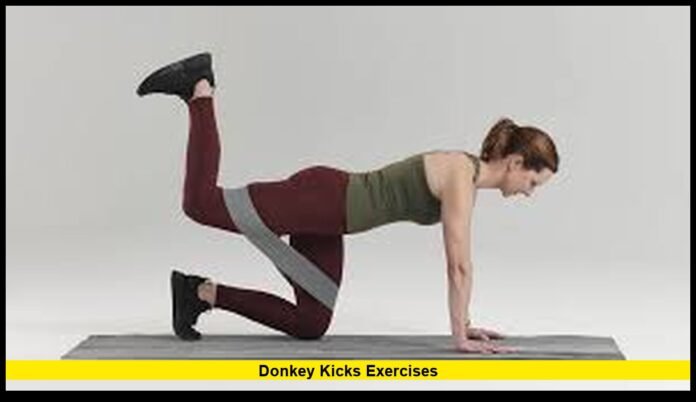

The donkey kicks exercise is becoming one of the most talked-about bodyweight movements in the U.S. fitness world as trainers, physical therapists, and online coaches continue highlighting its role in glute activation, posture improvement, and core stability. With more Americans focusing on home workouts, mobility routines, and functional fitness in 2026, this classic movement has returned to the spotlight in a major way.
Fitness experts say the renewed interest comes at a time when people are searching for effective exercises that require little or no equipment while still delivering noticeable results. Donkey kicks fit perfectly into that demand because they are simple to perform, adaptable for all fitness levels, and easy to include in both quick home workouts and advanced strength-training programs.
Unlike complicated gym exercises that require machines or heavy weights, donkey kicks use controlled body movement to target the glutes, hips, and lower core. Trainers say consistent practice may help improve muscle endurance, balance, and lower-body strength while supporting better movement patterns during daily activities.
Across social media platforms, workout creators continue posting glute-focused routines featuring donkey kicks, helping fuel the exercise’s growing popularity among beginners and experienced gym-goers alike. Fitness instructors say the movement has become especially appealing for people who spend long hours sitting at desks because it activates muscles that often become weak from inactivity.
For anyone trying to strengthen the lower body, improve flexibility, or refresh a workout routine without expensive equipment, donkey kicks are quickly becoming one of the most recommended exercises of the year.
Adding a few focused sets into your weekly routine may help improve stability, posture, and lower-body endurance while supporting overall fitness goals.
Why Donkey Kicks Are Trending Again in 2026
Fitness trends often change rapidly, but experts say donkey kicks have stayed relevant because they support both strength and mobility at the same time.
Over the past year, fitness professionals have increasingly shifted attention toward exercises that improve real-life movement instead of only emphasizing appearance-based training. Strong glutes and stable hips are essential for walking, climbing stairs, lifting objects, and maintaining balance during everyday activity.
Trainers explain that prolonged sitting weakens the posterior chain, especially the glutes. When those muscles become inactive, the body often compensates by placing extra stress on the lower back and hips. Donkey kicks directly target those areas and help “wake up” underused muscles.
Physical therapists also continue recommending glute activation movements during rehabilitation programs and posture-correction routines. Many experts now describe glute training as essential for reducing movement imbalances that develop from sedentary lifestyles.
The exercise has also become popular because it works well in short workouts. Even a five-minute lower-body routine can include donkey kicks without requiring equipment or large workout spaces.
Online fitness communities have further boosted the trend by sharing quick tutorials and home workout plans focused on glute activation and mobility improvement.
What Muscles Donkey Kicks Target
The primary target is the gluteus maximus, which is the body’s largest muscle and one of the most important for lower-body movement. This muscle supports hip extension, running, jumping, and standing movements.
The exercise also activates:
- Gluteus medius
- Gluteus minimus
- Hamstrings
- Lower abdominal muscles
- Core stabilizers
- Lower back support muscles
When performed correctly, donkey kicks require the core to stabilize the torso while the lower body moves independently. Trainers say this combination improves balance and body control over time.
Shoulders and arms also work during the exercise because they stabilize the upper body in the starting position.
Fitness instructors note that the movement becomes especially effective when people slow down the repetitions and focus on muscle engagement instead of speed.
How to Perform Donkey Kicks With Proper Form
Experts say proper form is critical for maximizing results and reducing unnecessary strain on the lower back.
To begin:
- Start on all fours on a mat or stable surface
- Position hands directly below shoulders
- Keep knees under hips
- Tighten the core muscles
- Maintain a neutral spine
From this position, slowly lift one leg upward while keeping the knee bent at approximately 90 degrees. Push the foot toward the ceiling while keeping the hips level.
At the top of the movement, squeeze the glutes briefly before slowly lowering the leg back down.
Trainers recommend avoiding fast swinging motions because momentum reduces muscle activation. Controlled movement creates more tension in the glutes and improves stability.
Beginners often start with:
- 2–3 sets
- 10–15 repetitions per leg
As strength improves, resistance bands or ankle weights can increase difficulty.
Common Mistakes That Reduce Results
Fitness professionals say many people unintentionally reduce the effectiveness of donkey kicks because of poor technique.
One of the most common mistakes is arching the lower back too much during the lift. Trainers warn that lifting the leg too high often shifts tension away from the glutes and into the spine.
Another issue is rotating the hips during the movement. Keeping the pelvis stable helps isolate the glute muscles more effectively.
Other frequent mistakes include:
- Moving too quickly
- Forgetting to engage the core
- Dropping the head upward instead of keeping the neck neutral
- Performing incomplete repetitions
- Using momentum instead of muscle control
Experts stress that quality repetitions matter far more than high repetition counts.
Why Home Workout Fans Love Donkey Kicks
One major reason for the exercise’s growing popularity is convenience.
Unlike many strength exercises requiring gym memberships or machines, donkey kicks can be performed almost anywhere. This makes them ideal for:
- Home workouts
- Travel fitness routines
- Apartment-friendly workouts
- Office movement breaks
- Beginner exercise plans
Fitness coaches say many people appreciate exercises that do not require expensive equipment or complicated setups.
During the past year, more Americans have prioritized short, efficient workouts that fit into busy schedules. Donkey kicks are often included in quick lower-body circuits because they are easy to learn and highly adaptable.
People recovering from inactive lifestyles also find the exercise approachable compared to advanced weightlifting movements.
The Connection Between Glute Strength and Posture
Posture-related issues continue affecting millions of Americans, especially those working long hours at computers.
Weak glutes and tight hips can contribute to poor alignment, lower back discomfort, and reduced mobility. Trainers say strengthening the glutes may help improve pelvic stability and movement mechanics.
When the glutes function properly, the body distributes force more efficiently during standing, walking, and lifting movements.
Physical therapists often include donkey kicks in corrective exercise programs because the movement helps retrain hip stability and core control.
Experts say consistency matters more than intensity. Performing the exercise several times each week may gradually improve muscle activation and posture support over time.
How Athletes Use Donkey Kicks in Training
Donkey kicks are no longer viewed as only a beginner exercise. Athletes across multiple sports now use them as part of warmups and recovery sessions.
Strength coaches say the exercise helps activate muscles necessary for:
- Sprinting
- Jumping
- Cycling
- Running
- Agility training
Runners frequently use donkey kicks before workouts to prepare the hips and glutes for movement.
Athletic trainers also use glute activation drills to reduce injury risk. Weak hips can contribute to knee instability and movement compensation patterns during sports activity.
Many advanced training programs combine donkey kicks with resistance bands, mobility drills, and weighted lower-body exercises.
Advanced Variations Becoming Popular
As the exercise trend continues growing, trainers are introducing more challenging variations into fitness routines.
Resistance Band Donkey Kicks
Resistance bands create additional tension throughout the movement, increasing glute engagement.
Weighted Donkey Kicks
Ankle weights add intensity and help improve muscular endurance.
Cable Kickbacks
Gym cable machines provide constant resistance during the kicking motion.
Pulse Repetitions
Small pulses at the top of the movement increase time under tension.
Fire Hydrant Combination Workouts
Some routines combine donkey kicks with fire hydrants for complete hip activation.
Fitness professionals recommend mastering bodyweight technique before progressing to advanced variations.
Can Donkey Kicks Support Lower Back Health?
Experts say glute strength plays an important role in supporting spinal stability and efficient movement.
Weak glutes often force the lower back to compensate during daily activity. Strengthening the hips and core may help reduce unnecessary strain during movement patterns.
However, trainers emphasize that form is essential. Poor technique can increase discomfort instead of helping.
People with existing injuries or chronic pain should consult healthcare professionals before starting new exercise routines.
Many physical therapists suggest beginning slowly and focusing on alignment before increasing repetitions or resistance.
Why Beginners Find This Exercise Less Intimidating
Starting a fitness routine can feel overwhelming for many people, especially those unfamiliar with gym equipment.
Donkey kicks remain popular among beginners because they:
- Require no machines
- Have a simple learning curve
- Can be modified easily
- Place less stress on joints
- Help build confidence with movement
Fitness instructors say bodyweight exercises often create a strong foundation before people progress into more advanced strength training.
The movement also helps develop mind-muscle connection, which refers to consciously engaging specific muscles during exercise.
Improving body awareness may help beginners perform other exercises more effectively later on.
How Often Trainers Recommend Doing Donkey Kicks
Most fitness experts recommend including glute activation exercises two to three times per week.
Beginners usually benefit from moderate repetition ranges while focusing on technique.
A basic routine may include:
- 2–4 sets
- 10–20 repetitions per leg
Advanced exercisers may increase resistance gradually over time.
Recovery remains important as muscles need time to repair between challenging workouts.
Experts also recommend pairing donkey kicks with squats, lunges, bridges, and stretching exercises for more balanced lower-body training.
Social Media Continues Driving Interest
Workout creators and fitness influencers continue posting short glute routines featuring donkey kicks across major social platforms.
Many videos focus on:
- Quick glute activation
- Beginner-friendly workouts
- Home exercise routines
- Low-impact training
- Core stability sessions
Millions of viewers continue engaging with short workout tutorials that require minimal equipment.
Trainers say the popularity of at-home fitness content has helped classic bodyweight exercises gain new attention from younger audiences.
Despite social media trends, fitness experts caution that long-term results still depend on consistency, balanced nutrition, and overall physical activity habits.
The donkey kicks exercise Remains One of the Most Accessible Fitness Movements
As fitness culture continues shifting toward functional strength and sustainable workouts, donkey kicks remain one of the most accessible exercises for improving lower-body activation and mobility.
The movement’s simplicity, versatility, and effectiveness have helped it stay relevant across beginner programs, rehabilitation plans, athletic training sessions, and home workout routines.
Fitness experts say the continued popularity of donkey kicks reflects a broader trend toward exercises that support real-life movement, posture, and long-term physical health rather than short-lived fitness fads.
With more people focusing on practical strength, mobility, and efficient workouts in 2026, donkey kicks are proving that even classic bodyweight exercises can still deliver meaningful results when performed consistently and correctly.