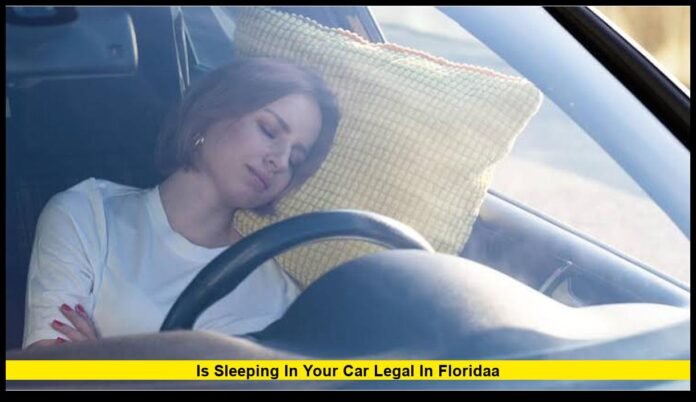

For travelers crossing the Sunshine State, one question continues to come up: Is sleeping in your car legal in Florida? Whether you’re on a long-distance road trip, trying to avoid driving while tired, or looking for a temporary place to rest, understanding Florida’s rules can help you avoid fines, towing, or unexpected legal issues.
Florida remains one of the most visited states in America, welcoming millions of tourists and travelers every year. With major interstate highways stretching across the state and popular destinations spread hundreds of miles apart, many drivers find themselves needing a safe place to stop and rest. While sleeping inside a vehicle is not automatically illegal, the location where a vehicle is parked often determines whether the situation is lawful.
Drivers who understand the difference between state laws, local ordinances, and private property rules are much more likely to have a trouble-free experience while traveling throughout Florida.
Understanding Florida’s Approach to Sleeping in Vehicles
Unlike some assumptions that circulate online, Florida does not have a statewide law that specifically prohibits sleeping inside a legally parked vehicle.
This distinction is important because many people mistakenly believe that sleeping in a car is automatically against the law. In reality, the act of sleeping itself is generally not what creates legal problems. Instead, issues usually arise because of where the vehicle is parked, how long it remains there, and whether local regulations allow overnight occupancy.
Law enforcement officers typically focus on parking violations, trespassing concerns, public safety issues, or violations of local ordinances rather than simply whether a person is asleep inside a vehicle.
As a result, travelers should focus less on whether sleeping is legal and more on whether the chosen parking location permits extended stays.
Why Drivers Choose to Sleep in Their Cars
There are many legitimate reasons why someone might sleep inside a vehicle.
Long-distance travelers often stop to avoid driving while fatigued. Tourists exploring Florida’s beaches, theme parks, and attractions may need a place to rest between destinations. Business travelers sometimes take short naps during extended trips.
Safety experts have consistently warned that drowsy driving can significantly increase accident risks. A tired driver may experience slower reaction times, reduced awareness, and impaired judgment.
For this reason, transportation officials generally encourage drivers who feel exhausted to stop and rest before continuing their journey.
Stopping for sleep can often be the safest decision a driver makes during a trip.
Florida Rest Areas and Overnight Stops
Many travelers immediately think of rest areas when considering where to sleep in a vehicle.
Florida maintains numerous rest areas and welcome centers along major highways. These facilities are designed to provide motorists with safe locations to take breaks, use restrooms, stretch their legs, and recover from fatigue.
Rest areas play an important role in highway safety. By giving tired drivers a place to stop, they help reduce the dangers associated with drowsy driving.
However, rest areas are intended for temporary use rather than extended overnight stays.
Parking Time Limits at Rest Areas
Most Florida rest areas operate under parking time restrictions.
For passenger vehicles, parking is generally limited to a relatively short period. The purpose is to encourage turnover and ensure facilities remain available for all travelers.
Drivers who stop for a nap or short rest period are usually acting within the intended purpose of the facility. Problems may arise when vehicles remain parked far beyond posted limits.
Travelers should always check signs upon arrival because specific rules may vary depending on location.
Can You Spend the Entire Night at a Rest Area?
This is one of the most frequently asked questions among road trippers.
While short periods of sleep are generally tolerated as part of a rest stop, rest areas are not designed to function as campgrounds or long-term overnight accommodations.
A driver who stops for several hours to recover from fatigue is typically viewed differently from someone attempting to use the facility as a place to live or spend multiple nights.
Authorities may ask drivers who exceed posted limits to move their vehicles.
Understanding this difference can help travelers avoid misunderstandings while using Florida’s highway facilities.
Local Rules Can Change Everything
One of the biggest challenges for motorists is that local regulations vary widely across Florida.
Cities and counties often establish their own rules regarding overnight parking, vehicle occupancy, and public property use.
A parking situation that is completely acceptable in one municipality may result in a citation in another.
Local governments frequently regulate:
- Overnight parking on public streets
- Vehicle camping
- Beach parking lots
- Public parks
- Municipal lots
- Residential areas
- Waterfront locations
Because these regulations differ from place to place, drivers should pay close attention to signs and local notices.
Ignoring local rules can quickly turn an otherwise legal stop into a costly mistake.
Sleeping in Your Car on Public Streets
Public streets create a unique legal situation.
Some communities impose overnight parking restrictions that apply regardless of whether a person remains inside the vehicle.
Other jurisdictions may prohibit vehicles from remaining in certain areas during nighttime hours.
Even where overnight parking is allowed, law enforcement may investigate vehicles that appear abandoned or occupied for extended periods.
Parking respectfully and following posted regulations can help minimize unwanted attention.
Private Property Rules Matter
Private property often presents both opportunities and risks for overnight parking.
Shopping centers, retail stores, hotels, office complexes, and restaurants generally control their own parking policies.
Some businesses allow overnight parking under certain circumstances. Others prohibit it entirely.
A property owner has the legal right to establish parking rules and may request that unauthorized vehicles leave the premises.
Drivers who remain without permission could face:
- Towing
- Trespassing complaints
- Parking enforcement actions
- Requests to relocate
Seeking permission before parking overnight is usually the safest approach.
Public Camping Restrictions in Florida
Florida has adopted stricter approaches toward public camping and long-term occupation of public spaces.
These policies primarily target unauthorized encampments on public property rather than ordinary travelers taking short rest breaks during road trips.
Nevertheless, the broader regulatory environment has increased scrutiny of overnight sleeping arrangements in certain public locations.
As a result, travelers should exercise caution before assuming that public land automatically permits overnight vehicle occupancy.
Understanding local enforcement practices can make a significant difference.
Beach Communities Often Have Stricter Rules
Florida’s coastal communities attract visitors from around the world.
Because beachfront parking is highly valuable and often limited, many cities enforce strict overnight parking regulations.
Travelers sometimes arrive late at night believing they can sleep in a vehicle near the beach until morning.
In many locations, this approach can lead to citations or towing.
Beach parking lots frequently operate under special restrictions designed to manage traffic, maintain public safety, and preserve access for visitors.
Checking local rules before parking is especially important in coastal areas.
State Parks and Recreation Areas
Florida’s state parks provide some of the state’s most beautiful outdoor destinations.
However, state parks generally require visitors to use designated camping facilities for overnight stays.
Sleeping in a vehicle outside approved camping areas may violate park regulations.
Many state parks offer campsites that accommodate travelers seeking legal overnight accommodations.
Using designated facilities can eliminate much of the uncertainty associated with overnight vehicle stays.
Safety Concerns Beyond Legal Issues
Even when sleeping in a vehicle is legal, safety remains an important consideration.
Drivers should evaluate their surroundings carefully before settling in for the night.
A safe location should ideally offer:
- Adequate lighting
- Visible activity
- Secure surroundings
- Access to assistance if needed
- Compliance with local rules
Choosing the right location can reduce both legal and personal safety risks.
Florida’s Climate Creates Additional Challenges
Florida’s weather presents unique considerations for anyone planning to sleep in a vehicle.
High temperatures and humidity levels can quickly make a parked car uncomfortable.
Even during cooler months, vehicle interiors may retain heat longer than many travelers expect.
Drivers should consider:
- Ventilation needs
- Weather forecasts
- Hydration
- Heat exposure
- Storm conditions
Florida’s climate can change rapidly, particularly during storm season.
Proper preparation helps improve both comfort and safety.
Alcohol and Sleeping in a Vehicle
One area that deserves special attention involves alcohol consumption.
Some drivers assume they can avoid legal problems simply by sleeping in a parked car after drinking.
However, Florida law allows officers to consider whether an individual had actual physical control of a vehicle.
Several factors may influence how authorities evaluate a situation, including vehicle accessibility, key location, and other surrounding circumstances.
Because each situation differs, drivers should understand that sleeping inside a vehicle does not automatically eliminate all potential legal concerns involving alcohol.
Alternatives to Sleeping in Your Car
For travelers planning extended stops, several alternatives may provide greater convenience and certainty.
Campgrounds
Campgrounds are specifically designed for overnight stays and often provide amenities that improve comfort.
RV Parks
Many RV parks offer accommodations for travelers seeking legal overnight options.
Hotels and Motels
Traditional lodging remains the simplest option for many travelers.
Travel Centers
Some travel centers welcome overnight guests while providing fuel, food, and restroom facilities.
Designated Campsites
Florida offers numerous camping opportunities across public and private properties.
These alternatives often provide clearer rules and fewer legal concerns than improvised parking arrangements.
Common Mistakes Drivers Should Avoid
Many parking-related issues result from misunderstandings rather than intentional violations.
Common mistakes include:
- Ignoring posted signs
- Assuming all rest areas allow overnight stays
- Parking on private property without permission
- Remaining beyond time limits
- Overlooking local ordinances
- Treating parking lots like campgrounds
Avoiding these errors can significantly reduce the likelihood of enforcement actions.
What Travelers Should Remember
When asking, Is sleeping in your car legal in Florida, the most accurate answer is that legality depends heavily on location and circumstances.
Florida does not prohibit sleeping inside a vehicle statewide. However, local ordinances, parking regulations, public-property restrictions, and private-property policies all influence what is permitted.
Drivers can often rest safely and legally when they choose appropriate locations, respect posted rules, and remain aware of local requirements.
For road trippers, tourists, and residents alike, understanding these distinctions can make travel across Florida much smoother and far less stressful.
Have you encountered overnight parking rules while traveling in Florida? Share your experience and stay tuned for more updates on laws that impact drivers across the state.