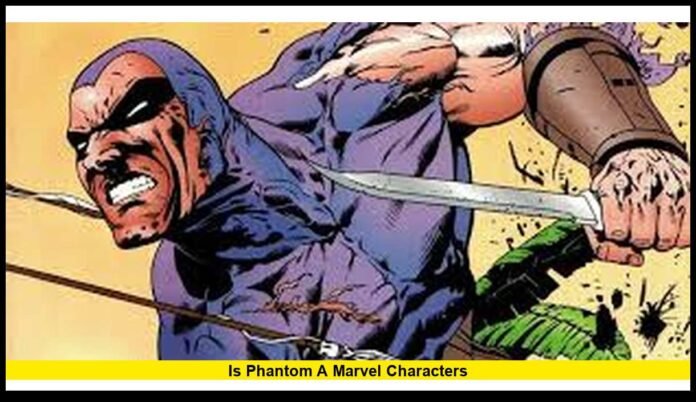

Comic book fans continue debating one major question in 2026: is phantom a marvel character? The answer has fueled online discussions for years, especially as new television projects and comic relaunches push the iconic masked hero back into mainstream entertainment. While many readers associate The Phantom with Marvel Comics because of earlier publishing partnerships, the legendary crime-fighter actually began as an independent comic creation decades before Marvel became a pop culture powerhouse.
The Phantom remains one of the most influential figures in comic history. First introduced in 1936, the purple-suited vigilante helped shape the superhero genre long before modern audiences knew characters like Spider-Man, Iron Man, or Batman. Today, renewed interest in classic comic properties has placed The Ghost Who Walks back in the spotlight.
Fans searching for answers about The Phantom’s origins are also rediscovering the character’s impact on global comic culture, pulp adventure storytelling, and the evolution of modern superheroes.
Comic book history is full of hidden connections, and The Phantom’s relationship with Marvel Comics remains one of the most fascinating stories in the industry.
If you enjoy superhero history, movie adaptations, and legendary comic characters, there has never been a better time to revisit the mystery behind The Phantom.
The Phantom Arrived Before Most Superheroes
Long before superhero universes dominated Hollywood, The Phantom introduced readers to a masked crime-fighter operating outside traditional law enforcement.
Writer Lee Falk created the character for newspaper comic strips during the 1930s. The Phantom debuted on February 17, 1936, making him one of the earliest costumed heroes in entertainment history.
At the time, comic strips focused heavily on detectives, adventurers, and pulp-inspired stories. The Phantom changed that formula by adding elements that later became superhero staples.
The character introduced:
- A skintight costume
- A hidden identity
- A masked vigilante persona
- A symbolic emblem
- A mission centered on justice
Those features later became standard across the comic industry.
Many historians believe The Phantom directly influenced the development of superhero storytelling in both Marvel and DC comics.
Who Exactly Is The Phantom?
The Phantom operates from the fictional African nation of Bangalla, where the hero battles pirates, smugglers, criminals, and corrupt organizations.
Unlike many modern comic heroes, The Phantom does not possess superhuman abilities. Instead, the character relies on physical training, strategy, intelligence, and psychological intimidation.
What makes the character unique is the generational legacy behind the mask.
The public believes The Phantom is immortal because the identity passes from father to son over centuries. Each new Phantom continues the same mission while maintaining the illusion that the hero never dies.
That mythology created several famous nicknames, including:
- The Ghost Who Walks
- The Man Who Cannot Die
- Guardian of the Eastern Dark
The current Phantom in most modern stories is Kit Walker, one of many descendants carrying the legendary title.
Why People Think The Phantom Belongs to Marvel
Confusion surrounding The Phantom’s ownership did not happen by accident.
Marvel Comics published multiple Phantom-related comic series during the late 1980s and 1990s. Readers who discovered the character during that period naturally associated the hero with Marvel branding.
Marvel’s involvement included projects tied to:
- Phantom 2040
- Defenders of the Earth
- Standalone Phantom comic miniseries
Because Marvel distributed and promoted those books, many comic fans assumed The Phantom officially belonged to the Marvel Universe.
That assumption still appears online today whenever new fans discover older Marvel-branded Phantom comics.
However, Marvel never permanently owned the character.
The Phantom remained a licensed property throughout those publishing partnerships.
The Character Has Worked With Multiple Publishers
The Phantom’s publishing history is unusually broad compared to many comic heroes.
Over the decades, the character appeared through numerous comic companies, including:
- Gold Key Comics
- King Features Syndicate
- Charlton Comics
- DC Comics
- Moonstone Books
- Hermes Press
- Mad Cave Studios
This rotating publishing model helped The Phantom survive across multiple comic eras while maintaining a loyal audience worldwide.
Unlike Marvel or DC characters tied to one centralized universe, The Phantom exists as a flexible independent property that publishers license for different projects.
That independence has helped keep the character active for nearly 90 years.
The Phantom’s Influence on Superhero Culture
Modern superhero fans often underestimate how much The Phantom influenced comic history.
Before The Phantom appeared, many adventure heroes wore ordinary clothing or detective outfits. Lee Falk’s creation helped popularize the dramatic visual identity later associated with superheroes.
Several iconic features originated or gained popularity through The Phantom:
The Skin-Tight Costume
The Phantom became one of the first fictional heroes to wear a form-fitting costume designed specifically for crime-fighting.
The White Eyes
The character’s blank white eyes behind the mask later became a standard visual style for many comic heroes.
The Secret Legacy
The generational Phantom identity inspired later legacy-driven storytelling across superhero comics.
Fear as a Weapon
The Phantom used myth and superstition to intimidate enemies, a concept later explored by many vigilante heroes.
Comic historians frequently rank The Phantom among the foundational characters that shaped the modern superhero formula.
The Phantom’s Popularity Outside the United States
Although American comic audiences sometimes overlook The Phantom today, the character remains extremely popular internationally.
The Phantom developed especially strong followings in:
- Australia
- Sweden
- Norway
- Finland
- India
In several countries, Phantom comics consistently sold for decades and became part of mainstream pop culture.
Sweden, in particular, embraced the character through long-running comic publications that introduced entirely new Phantom stories beyond the original newspaper strips.
Australian readers also maintained strong support for the franchise across multiple generations.
This international popularity helped The Phantom remain commercially successful even during periods when the character received less attention in the United States.
Hollywood’s Renewed Interest in The Phantom
The biggest recent development surrounding The Phantom involves new live-action adaptation plans.
Reports in 2026 indicate that a fresh television adaptation is moving forward with involvement from filmmaker Reginald Hudlin.
The project has generated excitement among longtime comic fans because many believe The Phantom deserves a major modern reboot.
Hollywood studios continue searching for recognizable intellectual properties outside Marvel and DC franchises. The Phantom offers several advantages:
- Decades of built-in mythology
- Strong global recognition
- Action-adventure storytelling
- Legacy hero themes
- Family-friendly franchise potential
The character’s jungle setting and pulp-inspired action also differentiate The Phantom from many urban superhero stories dominating modern streaming platforms.
Previous Phantom Movies and TV Projects
The Phantom already has a long history on screens.
1940s Movie Serials
The character appeared in early black-and-white serial adventures that introduced audiences to live-action comic adaptations decades before superhero blockbusters became common.
Defenders of the Earth
During the 1980s, The Phantom joined Flash Gordon and Mandrake the Magician in the animated series “Defenders of the Earth.”
The cartoon gained a loyal fanbase and introduced younger viewers to classic pulp-inspired heroes.
The 1996 Feature Film
Actor Billy Zane starred as The Phantom in the 1996 movie adaptation.
Although the film struggled at the box office during its initial release, audiences later developed appreciation for its retro adventure tone and comic-inspired visuals.
The movie gradually earned cult status among comic fans.
Phantom 2040
The futuristic animated series “Phantom 2040” modernized the character for a new generation.
The show reimagined the Phantom mythology in a cyberpunk future and became one of the more unique animated comic adaptations of the 1990s.
Marvel Comics later published stories connected to the animated series, further strengthening the mistaken belief that The Phantom belongs to Marvel.
Modern Comics Are Reintroducing The Character
The Phantom continues evolving through modern comic relaunches.
Mad Cave Studios recently launched updated Phantom comics that balance classic adventure storytelling with contemporary pacing and artwork.
The newer stories preserve important franchise elements while introducing modern readers to:
- Bangalla lore
- Jungle-based action
- Legacy storytelling
- International conspiracies
- Ancient Phantom mythology
Publishers understand that nostalgia-driven comic readers increasingly seek classic heroes outside mainstream superhero universes.
That trend has created opportunities for older franchises like The Phantom to reach younger audiences again.
What Makes The Phantom Different From Marvel Heroes
Even though fans often connect The Phantom with Marvel Comics, the character stands apart from traditional Marvel superheroes in several ways.
No Superpowers
The Phantom succeeds through discipline, intelligence, and reputation rather than supernatural abilities.
Mythology Over Technology
Unlike many modern heroes who rely on advanced gadgets or scientific powers, The Phantom uses myth and legend as psychological tools.
Adventure Over Cosmic Stakes
Most Phantom stories focus on grounded action, jungle exploration, criminal organizations, and treasure-hunting adventures.
Legacy Across Generations
The identity passes through a family bloodline rather than remaining tied to one immortal hero.
Those differences help The Phantom maintain a unique identity despite decades of superhero evolution.
The Comic Industry’s Growing Respect for Legacy Characters
Modern entertainment trends increasingly favor legacy storytelling, which benefits characters like The Phantom.
Audiences have embraced multigenerational heroes in movies, television, and comics. The Phantom pioneered many of those ideas decades ago.
Industry analysts believe legacy-driven franchises resonate strongly because they combine:
- History
- Mythology
- Family tradition
- Heroic symbolism
- Emotional continuity
The Phantom’s long lineage allows writers to explore stories across different eras while maintaining the same central mission.
That flexibility gives the franchise strong storytelling potential for streaming television and cinematic adaptations.
Collectors Continue Driving Interest in The Phantom
Vintage Phantom comics, posters, toys, and collectibles remain highly sought after among comic collectors.
Classic newspaper strips and early comic appearances have become especially valuable because of the character’s historical importance.
Collectors frequently view The Phantom as:
- A pioneering superhero figure
- A key part of comic evolution
- An important pulp-era property
- A symbol of early comic storytelling
Interest in classic comic memorabilia has also surged alongside the broader rise of retro pop culture collecting.
Why The Phantom Still Matters in 2026
Despite competition from massive superhero franchises, The Phantom continues attracting attention because the character represents something unique.
The Phantom combines:
- Pulp adventure storytelling
- Mystery-driven mythology
- Global comic history
- Generational heroism
- Classic action themes
Modern audiences increasingly appreciate older entertainment properties that helped shape current pop culture.
For younger fans discovering the character today, The Phantom offers a chance to explore the roots of superhero storytelling before cinematic universes transformed the industry.
The character’s influence stretches far beyond individual comics or adaptations.
The Final Verdict on The Phantom and Marvel
So, is phantom a marvel character? Officially, no.
The Phantom remains an independent comic icon originally created by Lee Falk in 1936. While Marvel Comics published certain Phantom projects in the past, the company never permanently owned the character.
Still, Marvel’s historical involvement explains why confusion continues decades later.
As new adaptations and comic relaunches generate fresh attention in 2026, more fans are rediscovering one of the most influential masked heroes ever created.
The Phantom may stand outside the Marvel Universe, but the character’s impact on comic book history remains undeniable.
Do you think The Phantom deserves a major modern movie or streaming series? Share your thoughts and keep following for more comic book updates and entertainment news.