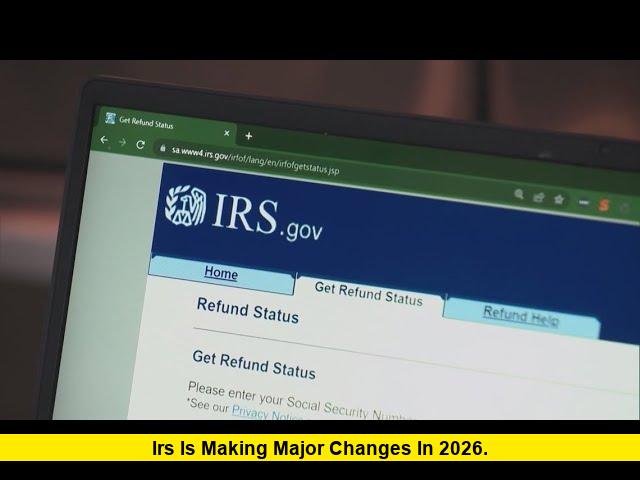

The IRS is making major changes in 2026 that will affect how millions of Americans file taxes, adjust their withholdings, and plan their financial year. As tax season kicks off, the Internal Revenue Service has implemented sweeping adjustments to tax brackets, deductions, credits, and agency operations that reflect both economic conditions and new federal tax laws. These shifts could impact your take-home pay, refund amounts, and long-term financial planning, so understanding the confirmed changes is crucial as you prepare your tax return.
In this in-depth report, we break down the most significant 2026 IRS updates that U.S. taxpayers should know — from bracket adjustments and new deductions to organizational changes inside the agency itself.
Why 2026 Is a Year of Major IRS Transition
The 2026 filing season is unique because the IRS is adjusting to new tax laws and implementing annual inflation updates simultaneously. Following the passage of the federal tax legislation often referred to as the One, Big, Beautiful Bill Act, the agency updated tax provisions for more than 60 categories. These include inflation-adjusted brackets, expanded credits, and updated deductions that affect returns filed this year. Meanwhile, the IRS announced internal restructuring and operational shifts designed to modernize services and improve taxpayer support as the agency prepares to handle millions of returns.
IRS Organizational Shake-Up Aims to Improve Services
Just days before the 2026 filing season opened, the head of the IRS announced substantial leadership and operational changes. The agency’s executive team saw new appointments, including new leaders in the Criminal Investigation Division and tax compliance roles, as part of a broader effort to streamline service delivery and oversight. With a reduced workforce and a growing workload, the agency aims to improve efficiency amid the implementation of sweeping tax law changes.
The IRS is also rethinking how it engages with taxpayers, shifting focus toward digital services, faster support tools, and updated performance indicators to better track responsiveness. These internal adjustments reflect a broader modernization trend within the agency as it balances traditional service models with new fiscal responsibilities.
New 2026 Tax Brackets and Inflation Adjustments
One of the most impactful changes for taxpayers is the adjustment of federal income tax brackets for the 2026 tax year. These inflation-based updates are designed to prevent “bracket creep,” where inflation pushes taxpayers into higher tax brackets even when their real income hasn’t increased.
Under the updated structure:
- The top marginal rate of 37% now applies to single filers with income above approximately $640,600 and married couples above $768,700.
- Lower brackets have adjusted thresholds that generally rise with inflation, giving taxpayers more breathing room before bumping into higher rates.
These adjustments make it possible for many individuals and families to keep more of their earnings through optimized withholding and lower tax liabilities — though the exact effect varies by income level and filing status.
Raised Standard Deductions and Expanded Credits
In addition to bracket adjustments, the IRS raised key tax deductions for 2026. The standard deduction — a benchmark figure that reduces taxable income — was increased:
- $16,100 for single filers and married individuals filing separately,
- $32,200 for married couples filing jointly,
- $24,150 for heads of household.
These increases reflect inflation and come alongside enhancements to several tax credits, including:
- Expanded earned income tax credit (EITC) amounts, which benefit lower- and moderate-income working families,
- Larger credits related to childcare and dependent care,
- New targeted deductions for tips, overtime pay, and even certain vehicle loan interest.
Taxpayers who qualify could see their refundable amounts boost their overall refunds, although eligibility depends on income, family structure, and specific personal circumstances.
New Deductions for Workers and Seniors
For the first time, specific work-related and age-related deductions take effect under the updated tax code. These include:
- “No tax on tips” provisions for qualified service workers,
- “No tax on overtime” income up to specified thresholds,
- A deduction for qualified senior taxpayers that could reduce taxable income further.
These deductions are intended to offer targeted relief to specific groups, especially service industry workers and older Americans, and could change how certain earners calculate their returns this year.
Retirement Savings and Contribution Limit Increases
Retirement planning also gets a boost from IRS changes in 2026. Annual contribution limits increased for several retirement accounts, offering individuals more opportunities to save with tax advantages:
- 401(k) contribution limits rose to $24,500, with additional catch-up amounts for older savers,
- IRA limits increased to $7,500 with extra allowances for those 50 and above,
- Health Savings Account (HSA) contribution thresholds also moved up.
These adjustments are part of a longer-term trend to encourage retirement savings while aligning contribution caps with inflation and economic conditions.
Improved Filing Tools and On-Time Refund Processing
The IRS is also enhancing its online tools and resources to make filing easier and refunds quicker. For the 2026 season, the agency emphasized the use of secure online accounts that let taxpayers:
- View account information,
- Monitor refund statuses,
- Manage payments and communications more efficiently.
The IRS set January 26, 2026 as the official opening day of the filing season for federal tax returns. Most taxpayers have until mid-April to file and remit any tax owed.
Additionally, the agency continues phasing out paper refunds, encouraging direct deposit as the fastest and most secure way to receive money back.
What These Changes Mean for Everyday Americans
For many individuals and families, the combined effect of bracket increases, higher deductions, and expanded credits means potential reductions in tax owed and softer withholding throughout the year. In some cases, this could result in slightly larger paychecks or bigger refunds when returns are filed.
At the same time, taxpayers should take time to review updated IRS guidance, adjust their W-4 withholding if needed, and understand how new deductions or retirement limits may affect their long-term financial strategies. IRS online tools and help resources can walk filers through these changes step-by-step.
Share your thoughts on these 2026 IRS changes and how they impact your tax planning — let us know in the comments below!