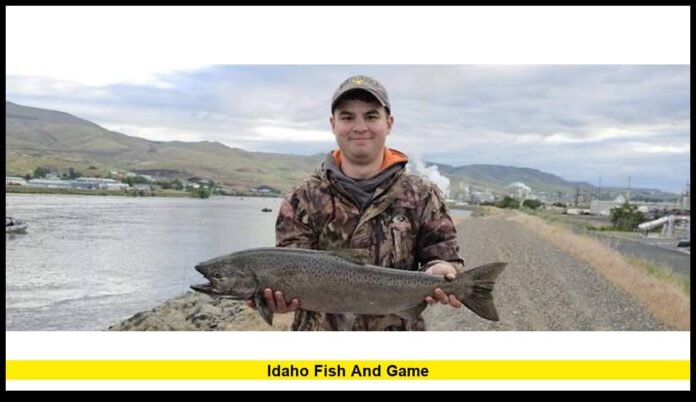

Idaho Fish and Game continues to play a vital role in managing the state’s wildlife, fisheries, hunting opportunities, and conservation programs in 2026. Across Idaho, agency officials are overseeing fish stocking operations, monitoring salmon returns, conducting wildlife research, updating hunting regulations, and expanding habitat protection efforts. These activities affect thousands of anglers, hunters, outdoor enthusiasts, and local communities that depend on Idaho’s natural resources.
As outdoor recreation remains a major part of life across the state, wildlife managers face growing responsibilities. Population growth, increased recreation pressure, changing environmental conditions, and conservation challenges require careful planning and science-based decision-making. Throughout 2026, Idaho’s fish and wildlife managers have focused on maintaining healthy ecosystems while ensuring future generations can continue enjoying the state’s outdoor opportunities.
A Critical Role in Idaho’s Outdoor Heritage
The Idaho Department of Fish and Game serves as the state’s primary wildlife management agency. Its mission extends far beyond regulating hunting and fishing seasons. The agency manages fish populations, protects wildlife habitats, conducts scientific studies, enforces conservation laws, and works with communities across Idaho.
The department oversees hundreds of lakes, rivers, reservoirs, mountain ranges, and wildlife habitats. Its staff includes biologists, conservation officers, hatchery personnel, habitat specialists, educators, and researchers who work year-round to protect Idaho’s natural resources.
Idaho remains one of the nation’s leading destinations for outdoor recreation. The state’s rivers support world-class fisheries, while its forests and mountains provide habitat for elk, deer, moose, mountain lions, black bears, wolves, and numerous bird species.
Managing such diverse resources requires constant monitoring and adaptation.
Chinook Salmon Management Remains a Top Priority
Among the most closely watched issues in 2026 has been Chinook salmon management.
Salmon populations play an important ecological and recreational role throughout Idaho. Every year, fisheries managers monitor salmon returns and adjust fishing opportunities based on population data and harvest targets.
This year, agency officials closely tracked spring Chinook runs throughout the Salmon River Basin and other key waterways. Managers evaluated fish counts, migration patterns, and harvest rates to determine how fisheries should operate during the season.
As harvest goals were reached in several areas, managers implemented closures in portions of the Lower Salmon River and other fisheries. These decisions were designed to protect future salmon returns while maintaining responsible recreational opportunities.
Fishery managers also evaluated potential summer Chinook opportunities in various river systems. Such decisions require careful analysis because salmon populations can vary significantly from year to year.
The agency’s approach reflects a commitment to balancing recreation with long-term sustainability.
Large-Scale Trout Stocking Benefits Anglers
Fishing remains one of Idaho’s most popular outdoor activities, and trout stocking programs continue to support that tradition.
During 2026, Idaho has maintained aggressive stocking efforts throughout multiple regions. Hundreds of thousands of catchable rainbow trout have been released into lakes, ponds, reservoirs, and community fishing waters.
These stocking programs provide immediate fishing opportunities while helping maintain strong participation among anglers.
Many urban and community fishing locations benefit from regular stocking schedules. Families, beginning anglers, and experienced fishermen often rely on these waters for accessible recreation close to home.
Stocking efforts occur across numerous regions, including:
- Southwest Idaho
- Southeast Idaho
- Clearwater Region
- Magic Valley
- Upper Snake Region
- Panhandle Region
- Salmon Region
Fish hatcheries play a critical role in these programs. Hatchery personnel raise fish under carefully managed conditions before transporting them to designated waters throughout the state.
The result is a steady supply of recreational fishing opportunities for residents and visitors alike.
Growing Interest in Family Fishing Programs
Idaho continues to promote outdoor participation among younger generations.
Free Fishing Day remains one of the state’s most successful outreach programs. The annual event encourages families and first-time anglers to experience fishing without purchasing a fishing license.
Many communities host special events that include:
- Youth fishing clinics
- Casting demonstrations
- Educational activities
- Equipment giveaways
- Conservation education programs
Officials view these programs as an important investment in the future of outdoor recreation.
Introducing children and families to fishing helps build appreciation for wildlife conservation and natural resource stewardship.
New Hunting Technology Regulations Take Effect
Technology has transformed many aspects of modern hunting, creating new challenges for wildlife managers.
In response, Idaho implemented new restrictions involving certain advanced hunting technologies.
The regulations address equipment that some officials believe could undermine traditional fair-chase principles. These restrictions focus on maintaining ethical hunting standards while preserving opportunities for sportsmen.
The rules affect several technologies, including:
- Thermal imaging equipment used during hunting
- Certain night vision devices
- Some remote transmitting trail cameras
- Drones used to locate or pursue wildlife
Wildlife managers argue that hunting regulations must evolve alongside technological developments.
The goal is not to eliminate innovation but to maintain a balance between technology and traditional hunting practices.
Many hunters have closely followed these discussions because the regulations could influence how future hunting seasons are conducted throughout the state.
Fish and Game Commission Shapes Policy Decisions
The Idaho Fish and Game Commission remains responsible for many of the state’s most important wildlife management decisions.
Commission members review biological data, public comments, harvest reports, and scientific research before adopting new regulations.
Throughout 2026, commissioners have addressed numerous issues, including:
- Salmon season management
- Waterfowl regulations
- Big game hunting rules
- Habitat conservation priorities
- Wildlife population objectives
- Public access concerns
Public meetings provide opportunities for residents to participate directly in the decision-making process.
The commission’s work affects outdoor recreation across Idaho and helps determine how fish and wildlife resources will be managed in future years.
Strategic Planning for Future Conservation
Population growth continues to influence wildlife management across Idaho.
As more people move into the state and outdoor recreation participation increases, pressure on natural resources also grows.
To address these challenges, wildlife managers have continued strategic planning efforts designed to guide conservation work for years to come.
Several major priorities have emerged:
Habitat Protection
Protecting habitat remains one of the most effective ways to support healthy wildlife populations.
Wildlife species depend on connected landscapes that provide food, water, shelter, and migration corridors.
Habitat projects often involve partnerships with landowners, conservation organizations, and local communities.
Public Access
Access to outdoor recreation remains a major concern for sportsmen and outdoor enthusiasts.
Managers continue exploring ways to maintain and improve public access while minimizing impacts on sensitive habitats.
Population Monitoring
Accurate population data remains essential for effective management.
Biologists regularly conduct surveys, aerial monitoring projects, field research, and population assessments to track wildlife trends.
Wildlife Research Continues Across Idaho
Scientific research provides the foundation for many management decisions.
Throughout 2026, wildlife biologists have conducted studies involving numerous species and ecosystems.
Research projects help answer important questions about:
- Animal movement patterns
- Habitat use
- Population growth
- Reproduction rates
- Survival trends
- Disease risks
Among the most notable efforts is ongoing grizzly bear monitoring in eastern Idaho.
Researchers collect information that helps improve understanding of bear populations and habitat use throughout the Greater Yellowstone region.
This information supports long-term conservation planning and assists wildlife managers in making informed decisions.
Big Game Hunting Remains Important to Idaho
Big game hunting continues to be a significant part of Idaho’s outdoor culture and economy.
Each year, hunters pursue a variety of species throughout the state.
Popular big game animals include:
- Elk
- Mule deer
- White-tailed deer
- Moose
- Pronghorn
- Mountain goats
- Bighorn sheep
- Black bears
- Mountain lions
Managing these populations requires ongoing evaluation.
Biologists analyze harvest statistics, field observations, habitat conditions, and population surveys before recommending season structures and tag allocations.
This process helps maintain sustainable hunting opportunities while protecting wildlife populations.
Monitoring Wildlife Health
Wildlife health surveillance remains a critical responsibility for fish and wildlife managers.
Disease monitoring programs help detect emerging threats before they become widespread.
One area of focus involves Chronic Wasting Disease, a neurological disease affecting members of the deer family.
Officials continue monitoring risks associated with the disease and maintaining management strategies designed to reduce potential impacts.
Wildlife health programs also track other diseases and environmental factors that could influence population stability.
Healthy wildlife populations support conservation goals, recreational opportunities, and ecosystem balance.
Conservation Officers Protect Resources
Conservation officers play a highly visible role in protecting Idaho’s natural resources.
These officers patrol waterways, forests, mountains, and recreation areas throughout the state.
Their duties include:
- Enforcing hunting laws
- Enforcing fishing regulations
- Investigating wildlife crimes
- Conducting safety checks
- Educating the public
- Supporting conservation programs
Officers frequently interact with anglers, hunters, boaters, and outdoor enthusiasts.
Their work helps ensure compliance with regulations while promoting safe and ethical outdoor recreation.
The Tag, You’re It Program Gains Attention
A unique fisheries research initiative continues to engage Idaho anglers.
The Tag, You’re It program places specially tagged fish in selected waters. Anglers who catch tagged fish can report their findings and, in some cases, receive rewards.
The information collected helps biologists better understand fish behavior and survival.
Researchers use these reports to gather valuable data about:
- Fish movement
- Growth rates
- Survival patterns
- Stocking effectiveness
The program demonstrates how public participation can contribute directly to fisheries science.
Habitat Restoration Projects Support Wildlife
Healthy habitat remains the foundation of successful wildlife conservation.
Throughout Idaho, habitat restoration projects continue improving conditions for fish and wildlife.
These projects often focus on:
- Stream restoration
- Wetland enhancement
- Forest management
- Riparian habitat protection
- Migration corridor improvements
Restoration work benefits numerous species while improving ecosystem resilience.
Long-term conservation success depends heavily on maintaining and improving habitat quality across the state.
Outdoor Recreation Continues to Grow
Idaho’s outdoor recreation economy remains strong in 2026.
Fishing, hunting, hiking, wildlife viewing, boating, and camping continue attracting participants from across the United States.
This growing interest creates both opportunities and challenges.
Higher participation can increase public support for conservation efforts. At the same time, increased use may place additional pressure on wildlife habitats and recreational infrastructure.
Managers continue working to balance recreation with conservation objectives.
Maintaining that balance remains one of the agency’s most important responsibilities.
Looking Ahead for Idaho’s Wildlife Resources
The remainder of 2026 will likely bring continued focus on fisheries management, wildlife conservation, habitat restoration, and public engagement.
Agency leaders face complex challenges that include growing recreation demand, changing environmental conditions, evolving technology, and long-term conservation goals.
Current efforts demonstrate a commitment to science-based management and responsible stewardship of Idaho’s fish and wildlife resources.
From salmon fisheries and trout stocking to wildlife research and habitat protection, the work taking place across the state reflects the importance of conserving natural resources while supporting outdoor traditions that remain deeply rooted in Idaho’s identity.
What are your thoughts on the latest wildlife, fishing, and conservation developments across Idaho? Share your perspective and check back for more updates throughout the year.