
ICE detention centers continue to play a major role in U.S. immigration enforcement in 2026 as federal authorities maintain a large detention network while facing legal challenges, public protests, and ongoing debates about facility conditions. Across the country, detention facilities remain under intense scrutiny as immigration enforcement efforts increase and policymakers debate the future of detention operations.
The immigration detention system has become one of the most closely watched components of federal immigration policy. Detention facilities are operating in multiple states, housing individuals awaiting immigration court proceedings, deportation decisions, or other actions under federal immigration law. Recent developments involving facility transfers, detention capacity increases, court cases, and public demonstrations have kept the issue in the national spotlight.
What Are ICE Detention Centers?
Immigration detention centers are facilities used by U.S. Immigration and Customs Enforcement to hold noncitizens during various stages of immigration proceedings. These facilities include dedicated detention centers, county jails operating under federal contracts, privately managed facilities, and temporary processing sites.
Unlike criminal incarceration, immigration detention is considered civil detention. Individuals may be held while their immigration cases move through the legal system or while removal proceedings are completed.
The size and structure of the detention system have changed significantly over the years. Today, the network spans numerous states and includes facilities of varying sizes, ranging from smaller county-operated centers to large complexes capable of housing thousands of detainees.
Detention Population Remains Elevated in 2026
The overall detention population remains high compared with many previous years. Federal authorities have continued expanding detention capacity while increasing immigration enforcement operations.
Detention facilities across the country are holding tens of thousands of individuals on a daily basis. The increased population reflects broader enforcement priorities that emphasize detention and removal efforts.
At the same time, officials have expanded available bed space to accommodate future enforcement needs. This has led to the opening of new facilities and the enlargement of existing detention operations.
Supporters of the policy argue that detention provides an important tool for managing immigration cases and carrying out federal law. Critics contend that increased detention raises concerns about oversight, costs, and humanitarian issues.
The debate remains one of the most significant immigration policy discussions in the United States.
Florida Facility Draws National Attention
One of the most discussed immigration detention stories of 2026 emerged from Florida.
Federal officials recently relocated detainees from a detention facility located in the Everglades region as hurricane season approached. Authorities stated that weather-related safety concerns prompted the transfers.
The facility quickly became a subject of national debate after opening. Immigration advocates, environmental organizations, attorneys, and local activists questioned various aspects of the operation.
The transfer of detainees generated renewed discussion about emergency preparedness at detention facilities located in regions vulnerable to severe weather events. Hurricanes, flooding, and other natural disasters remain important considerations for facilities operating in coastal areas.
Officials have emphasized that detainee safety remains a priority during severe weather preparations. Meanwhile, advocacy groups continue to call for greater transparency regarding facility operations and long-term planning.
The Florida situation highlights how detention centers often become focal points for broader discussions involving immigration policy, environmental concerns, and public accountability.
Legal Challenges Continue Across the Country
Federal courts remain deeply involved in cases involving immigration detention.
Several major lawsuits currently address questions about detention authority, constitutional protections, facility conditions, and access to bond hearings. These cases could influence detention policies for years to come.
One of the most significant legal issues centers on prolonged detention. Courts continue reviewing whether some detainees should receive additional opportunities to seek release while their immigration cases remain pending.
Attorneys representing detainees argue that lengthy detention periods raise important due process concerns. Government attorneys maintain that detention authority is necessary to ensure compliance with immigration laws and court proceedings.
Additional litigation addresses healthcare access, detainee treatment, facility management practices, and access to legal representation.
As these cases move through the judicial system, immigration detention remains a major topic in federal courtrooms nationwide.
Conditions Inside Facilities Remain Under Review
Conditions within detention facilities continue to receive attention from lawmakers, advocacy organizations, attorneys, and oversight groups.
Concerns raised in various reports include:
- Medical care access
- Mental health services
- Facility sanitation
- Food quality
- Living conditions
- Access to attorneys
- Communication with family members
- Response times for healthcare requests
Supporters of detention operations argue that facilities follow established standards and undergo inspections designed to ensure compliance with federal requirements.
Advocacy organizations continue to push for stronger oversight mechanisms and greater transparency regarding detention conditions.
The issue remains central to the broader national conversation surrounding immigration detention.
Healthcare Concerns Remain a Major Topic
Healthcare services represent one of the most frequently discussed aspects of immigration detention.
Medical care in detention facilities involves a wide range of services, including routine examinations, emergency treatment, mental health care, chronic disease management, and prescription medications.
Advocates continue to raise concerns regarding healthcare access for detainees with serious medical conditions. Mental health treatment has also become a significant area of focus, particularly for individuals experiencing prolonged detention.
Facility administrators maintain that healthcare systems are in place to address detainee needs and respond to medical emergencies.
Despite those assurances, healthcare remains one of the most closely monitored issues within the detention system.
The topic continues to attract attention from lawmakers, attorneys, medical professionals, and immigrant rights organizations.
Protests and Demonstrations Continue
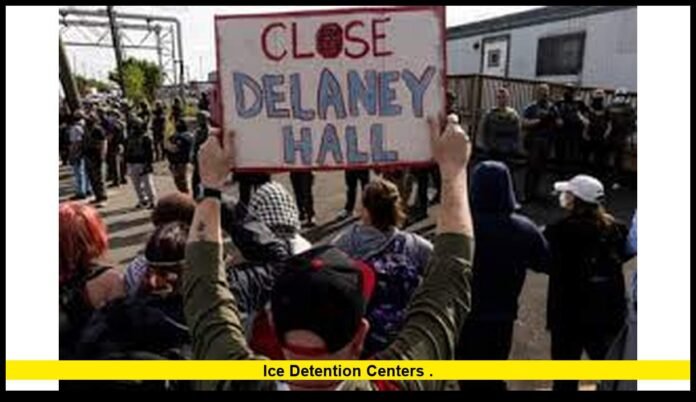
Detention facilities in several states have become sites of public demonstrations during 2026.
Community organizations, immigration advocates, faith leaders, and local residents have organized rallies and protests focused on detention policies and facility conditions.
Some demonstrations have occurred outside major detention centers, while others have taken place at government offices connected to immigration enforcement.
Participants in these events have expressed a variety of concerns, including detention conditions, family separation issues, prolonged detention periods, and broader immigration enforcement policies.
Public demonstrations have become a regular feature of the national conversation surrounding immigration detention.
These events often draw attention to individual cases while also highlighting larger policy debates taking place at the federal level.
Read More- ICE Warehouse Detention Plan Status Sparks Nationwide Clash Over Immigration Expansion
Expansion of Detention Infrastructure
Federal investment in detention infrastructure has increased significantly.
New facilities, processing centers, and expanded detention operations have emerged in several regions. Officials describe these developments as necessary to support enforcement priorities and manage increasing detention demands.
The expansion includes:
- Additional detention beds
- Larger processing facilities
- Enhanced transportation operations
- Expanded staffing resources
- Upgraded security systems
- Increased administrative capacity
Supporters believe these investments strengthen the government’s ability to enforce immigration laws effectively.
Critics argue that expansion may increase costs while raising additional questions regarding oversight and detainee welfare.
Regardless of perspective, the detention system has clearly grown in size and capacity during recent years.
Role of Private Contractors
Private companies continue to play a significant role within the immigration detention system.
Many detention facilities operate through agreements involving private contractors responsible for facility management, food services, healthcare support, transportation, and maintenance.
The involvement of private companies remains a controversial issue.
Supporters argue that private contractors provide operational flexibility and additional capacity.
Critics question whether profit-driven models align with the goals of humane detention practices and accountability.
The debate surrounding private detention operations remains active in Congress, state governments, advocacy organizations, and local communities.
Impact on Families
Family impacts remain a major concern in discussions about immigration detention.
When individuals enter detention, family members often face significant emotional and financial challenges. Relatives may struggle with travel costs, legal expenses, communication barriers, and uncertainty regarding case outcomes.
Children and spouses can experience prolonged periods of separation while immigration proceedings continue.
Community organizations frequently provide assistance through legal support, visitation programs, language services, and emergency resources.
The family dimension of immigration detention continues to shape public opinion and policy discussions.
Economic Effects on Local Communities
Detention facilities often influence local economies.
Some communities view detention centers as sources of employment and economic activity. Facilities may create jobs in administration, security, transportation, healthcare, food services, and maintenance.
At the same time, detention operations can generate controversy within local communities.
Residents sometimes raise concerns regarding environmental impacts, public resources, transparency, and the broader social effects of hosting large detention facilities.
As detention infrastructure expands, local governments continue evaluating both the economic benefits and community concerns associated with facility operations.
Immigration Courts and Detention
The immigration court system plays a critical role in detention operations.
Many detainees remain in custody while awaiting hearings or decisions regarding their immigration status.
Case backlogs continue to affect immigration proceedings nationwide. Delays can extend the amount of time some individuals spend in detention while their cases move through the legal process.
Court efficiency, judicial resources, and case management policies therefore remain important factors influencing detention populations.
Efforts to improve case processing continue to receive attention from policymakers and immigration law experts.
Policy Debate Remains Intense
Immigration detention remains one of the most divisive issues in American politics.
Supporters argue that detention helps ensure compliance with immigration laws and supports removal operations. They view detention as a necessary enforcement mechanism.
Opponents argue that alternatives to detention may achieve similar objectives while reducing costs and minimizing humanitarian concerns.
The discussion often focuses on several key questions:
- How much detention capacity should exist?
- What oversight standards should apply?
- How should healthcare services be managed?
- What protections should detainees receive?
- When should alternatives to detention be used?
These questions continue shaping national immigration policy discussions.
What Could Shape Detention Policy Going Forward?
Several factors are likely to influence immigration detention policy throughout the remainder of 2026.
Court decisions could establish new legal standards regarding detention authority and detainee rights.
Congressional funding decisions may affect future detention capacity and facility operations.
Additional oversight reviews could influence standards related to healthcare, living conditions, and facility management.
Public attention remains high, ensuring that detention facilities will continue to receive scrutiny from advocacy organizations, lawmakers, community groups, and legal experts.
As immigration enforcement remains a central issue in national politics, detention operations are expected to remain a major topic of public discussion.
Conclusion
Immigration detention continues to occupy a central position within federal immigration enforcement efforts. The system now operates with substantial capacity, widespread geographic reach, and significant political visibility. Legal challenges, healthcare concerns, facility oversight questions, and public demonstrations have ensured that detention policy remains one of the most closely watched immigration issues in the United States.
Future developments involving court rulings, facility operations, federal funding, and enforcement priorities will likely shape the next chapter of the national conversation surrounding ICE detention centers.
The debate over immigration detention continues to evolve, making it one of the most important policy issues for Americans to watch in 2026.